In the sprawling landscape of professional baseball, the journey from budding talent to Major League stardom is as riveting as the game itself. Yet, one question dances tantalizingly at the edge of every fan’s curiosity: which minor league systems truly accelerate the metamorphosis from promising prospect to shining MLB star? This playful challenge beckons us to peer behind the curtains of scouting reports, development strategies, and organizational philosophies to uncover the hidden crucibles forging tomorrow’s baseball legends.
The Alchemy of Player Development: Why Minor League Systems Matter
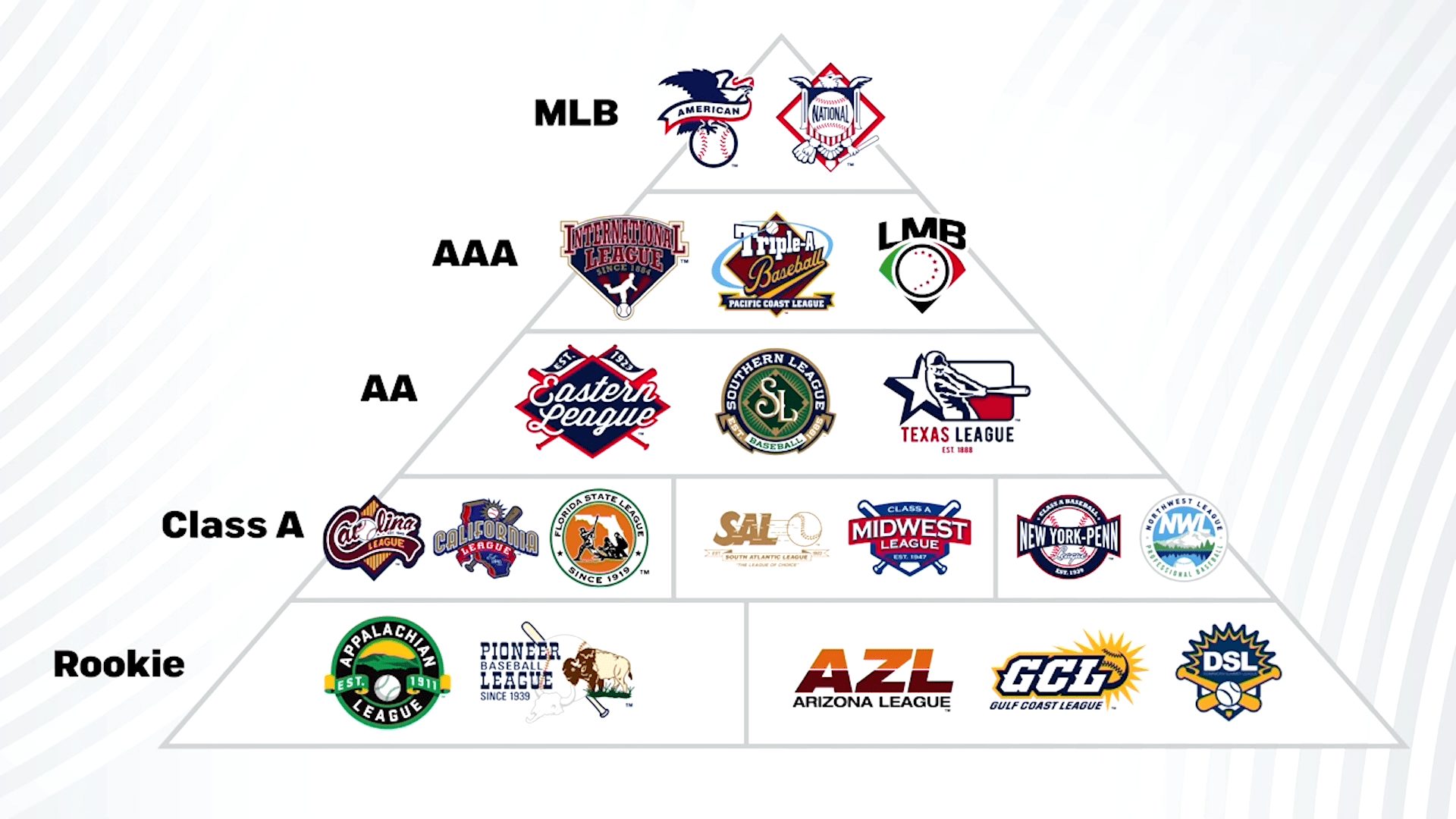
At its essence, a minor league system is an intricate ecosystem where raw athleticism is honed into refined skill. But not all developmental machines are created equal. The best systems blend a rigorous, personalized approach with a forward-thinking ethos, ensuring players do not just survive the grind but thrive amid its demands. It’s a nuanced alchemy—melding coaching prowess, training innovations, and mental conditioning—all designed to expedite the readiness of prospects for the big leagues. This foundational advantage often translates into domino effects for the parent clubs, manifesting as sustained success, playoff runs, and enduring fan allegiance.
Perennial Powerhouses: Systems That Consistently Produce MLB Talent
When we turn our gaze toward organizations historically imbued with fertile talent pipelines, a few stand distinctly apart. The Tampa Bay Rays, for instance, have cultivated a reputation for voraciously acquiring and refining young talent on modest budgets, transforming them into position players and pitchers of considerable acclaim. Similarly, the Houston Astros’ system has been meticulous in its player evaluation and biomechanical tuning, especially with pitchers, enabling a rapid ascension of prospects to top-tier roles.
These powerhouses are characterized by their unwavering commitment to analytics-infused scouting and a culture that thrives on developmental patience balanced with opportunism. This delicate balance permits elite prospects to flourish without the crushing weight of premature expectations, allowing natural progression through the ranks while instilling competitive resilience.
Innovative Approaches to Coaching and Player Wellness
The fastest-developing systems share an affinity for innovation that extends beyond traditional drills. Wearable technology, biomechanical analysis, and data-driven training regimens have ushered in a new era of minor league player development. Franchises at the vanguard embrace these advancements, integrating modern sports science with time-tested baseball wisdom.
Mental health initiatives and nutrition programs augment these technical strides, recognizing that peak performance requires holistic well-being. Clubs fostering environments where players address mental hurdles as openly as physical ones often see accelerated adaptation and consistent growth. This comprehensive outlook not only expedites progression on the field but also cements resilience against the grueling attrition of a professional baseball career.
Drafting Strategies: The Cornerstone of Effective Systems
It’s impossible to discuss premier minor league systems without spotlighting their drafting philosophies. Teams that consistently unearth gems earlier in the draft—or find undervalued talent in later rounds—provide a steady stream of potential stars to their farm systems. The Toronto Blue Jays and the San Diego Padres exemplify organizations blending exhaustive scouting globally with shrewd selections to replenish their talent pools incessantly.
Moreover, the drafting strategy isn’t solely about scouting acumen. The interplay between signability, developmental cost, and long-term projections weaves into a complex calculus. Organizations adept at navigating this balance ensure prospects receive adequate attention and resources, enabling them to fulfill potential swiftly without undue pressure or neglect.
The Impact of Affiliate Relationships and Minor League Infrastructure
While player talent and coaching are paramount, the infrastructure supporting minor league affiliates also shapes developmental velocity. Facilities brimming with state-of-the-art gyms, recovery centers, and analytic labs amplify the coaching staff’s efforts and signal a franchise’s commitment to player growth. Affiliates nestled in competitive leagues with strong opposition expose prospects to rigorous in-game scenarios critical for honing situational acumen and adaptability.
Furthermore, seamless communication channels between the major league front office and minor league affiliates strengthen organizational cohesion, ensuring consistent messaging and philosophy throughout the ranks. This unified front rapidly aligns players with the ultimate goal—contribution at the MLB level—shortening the learning curve and enhancing readiness.
Case Studies: Fast-Tracked MLB Stars and Their Origins
Examining individual trajectories illuminates how top-tier systems expedite the maturation of talent. Consider Shohei Ohtani—though an international signing, his eclipse through the Angels’ minor league system showcased how meticulously tailored development can prepare a unique two-way phenom for the majors. Likewise, Wander Franco’s rapid rise with the Tampa Bay Rays underscores their exceptional capacity to nurture prodigious talents, guiding them deftly from amateur status to impactful MLB contributors.
These case studies reveal a common thread: adaptable coaching staff attuned to the player’s specific strengths and weaknesses, combined with a judicious pace that balances challenge with confidence-building. It’s the embodiment of a tailored blueprint rather than a one-size-fits-all model, underscoring why some systems eclipse others in player readiness.
Challenges and Pitfalls: Why Some Systems Lag Behind
Not all organizations enjoy the luxury of swift talent cultivation. Structural impediments—from fiscal constraints to inconsistent scouting—can mire a minor league system in mediocrity. Moreover, excessive emphasis on immediate results in the minor leagues may stifle development, forcing prospects into roles or expectations they aren’t primed to handle. This mismatch breeds stagnation or burnout, ultimately undermining the club’s long-term success.
Another hurdle surfaces when organizational philosophies clash, creating developmental dissonance. Fragmented communication or shifting priorities derail seamless growth trajectories, leaving prospects in limbo. These challenges illustrate why a system’s inner architecture—beyond just raw talent—is paramount in determining how swiftly players ascend.
Looking Ahead: The Future of Minor League Development
As baseball evolves, so too must its cultivation hubs. Emerging technologies such as artificial intelligence-driven performance analytics, virtual reality training, and enhanced biometric monitoring promise to revolutionize player development. Forward-thinking organizations eager to embrace these tools will likely set new benchmarks in accelerating prospect readiness.
Moreover, the increasingly global talent pool demands adaptable systems capable of integrating diverse playing styles and cultural outlooks. Those franchises investing in comprehensive support networks—linguistic, psychological, and physical—position themselves to not just develop players fast but to sustain that excellence long-term.
Ultimately, the race to develop MLB stars fastest is both a science and an art, reliant on visionary leadership, adaptable strategies, and an unwavering commitment to nurturing potential in all its facets. It is a captivating challenge, one that continues to redefine the very fabric of baseball’s future.