Minor League Baseball managers play an integral role in shaping the future of professional baseball. Tasked with developing young talent, managing game strategy, and maintaining team cohesion, these coaches operate in a demanding environment that balances both pressure and opportunity. While much attention is given to players’ salaries, the earnings of those guiding the team from the dugout often remain shrouded in mystery. This article offers a comprehensive exploration of what minor league baseball managers actually earn, delving into salary structures, influencing factors, and the complexities behind compensation in the world’s feeder league.
The Hierarchy and Roles of Minor League Managers
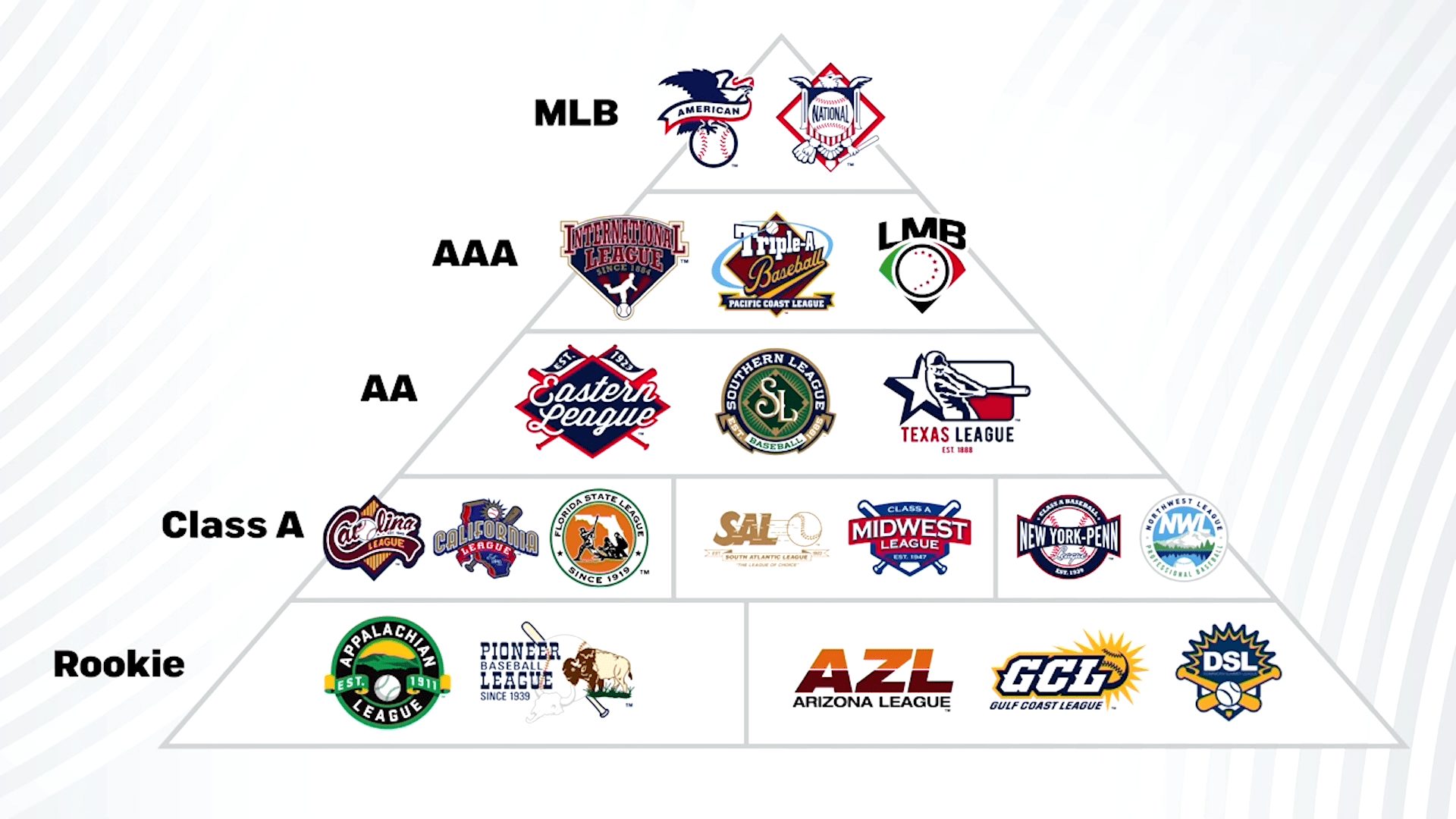
Understanding the salary landscape begins with recognizing the varied roles and hierarchical structure within Minor League Baseball (MiLB). Minor leagues encompass several levels — Rookie, Low-A, High-A, Double-A, and Triple-A — each representing different stages of player development and competitiveness. Managers at each level have distinct responsibilities that impact their remuneration.
Lower-level minor league managers typically focus more on fundamental skill development and player adjustment to professional baseball life, whereas those at higher levels manage more advanced athletes on the cusp of reaching Major League Baseball (MLB). Triple-A managers, for example, not only concentrate on strategic gameplay but also foster veteran players rehabbing or awaiting call-ups.
Such distinctions influence salary benchmarks. As the responsibilities intensify with the level of play and expected managerial acumen, so too does the financial compensation.
Typical Salary Range and Variability
Minor league baseball manager salaries are notably stratified and vary widely depending on the level, organization, and years of experience. On the lower rungs — Rookie and Single-A levels — managerial salaries can be modest, often ranging from approximately $25,000 to $45,000 per season. While these figures may seem modest compared to their MLB counterparts, they reflect the developmental and often transient nature of these positions.
At the Double-A and Triple-A levels, managers generally command more substantial paychecks, with salaries frequently falling between $50,000 and $90,000 annually. In some cases, experienced managers with proven track records may negotiate compensation approaching six figures, especially within highly reputed organizations. Nonetheless, even upper-tier minor league managers earn significantly less than Major League coaches, underscoring the professional and financial leap represented by reaching the big leagues.
Variability in pay also accounts for the length of the season, bonuses, and supplementary income such as offseason coaching, scouting, or instructional roles. Since the minor league season typically spans about five months, annualized salaries may include considerations for additional employment opportunities.
Influencing Factors on Managerial Compensation
Multiple elements impact a minor league manager’s salary beyond league level. Organizational budget constraints and philosophies are pivotal determinants: some MLB clubs prioritize investing generously in their coaching staff, believing that leadership quality translates directly to player development and, ultimately, on-field success. Others operate more conservatively, resulting in comparatively lower salaries for the same positions.
Experience also plays a crucial role. Managers with extensive playing careers, advanced coaching credentials, or a history of cultivating successful major league talent generally command higher salaries. Proven ability to nurture prospects and lead championship-caliber teams enhances bargaining power.
Additional factors include the manager’s geographic location, cost of living adjustments, and negotiated benefits such as housing stipends or travel allowances, which collectively affect the overall compensation package. Some minor leagues are based in metropolitan areas with higher living expenses, leading to adjustments or stipends to mitigate these costs.
Comparing Manager Salaries with Player Earnings
While players often receive significant media attention for their earnings, minor league manager salaries merit a nuanced comparison. Minor league players’ salaries themselves have historically been a contentious issue, with many competing on modest incomes that rarely exceed $15,000 annually at the lowest levels. In this context, minor league managers sometimes earn substantially more than their players, reflecting their experience and leadership responsibilities.
However, compared to Major League coaching staffs whose salaries can reach seven figures, minor league managers operate in a financially constrained environment. Unlike highly visible MLB coaches, minor league coaches usually don’t receive large sponsorship deals or endorsements, placing a heavier emphasis on base salaries and contractual terms.
This financial disparity underscores the minor leagues’ function as a developmental ecosystem, where managerial roles often serve as stepping stones to higher professional coaching opportunities. Ambitious managers accept these salary levels not only for immediate remuneration but for career advancement prospects.
The Non-Monetary Benefits and Challenges
Managerial compensation in minor leagues extends beyond salary alone. Many managers value intangible benefits such as the opportunity to shape young athletes’ careers, work directly with emerging talent, and remain closely connected to the game they love. These conditions provide rich professional fulfillment that many consider beyond monetary valuation.
Conversely, the role entails challenges including job insecurity, long hours, extensive travel, and frequent relocation. Minor league contracts are often short-term, depending heavily on seasonal results and organizational philosophies. Managers must also navigate fluctuations in organizational priorities and often limited staffing resources.
For many, the experience and exposure gained enable access to higher coaching positions or front-office roles, which may possess both greater stability and compensation.
Future Trends and Potential Changes in Compensation
In recent years, there has been increased scrutiny on minor league compensation overall, including for managers. Calls for better pay and improved working conditions have led to incremental changes by MLB and affiliated organizations. Enhanced revenue sharing models, increased sponsorship, and growing public interest in player development pipelines may stimulate salary growth for managerial roles.
Additionally, the expansion of analytics and technology integration in baseball coaching has increased the demand for managers who possess specialized knowledge, potentially leading to higher market value and compensation. As the sport evolves, minor league managers are poised to benefit from these shifts, provided they adapt to the changing skill demands.
Looking ahead, it is conceivable that minor league managerial salaries will experience moderate growth synchronized with broader economic trends in professional sports, but it will likely remain a stepping-stone role financially until coaches advance to higher tiers of the game.
Conclusion
Minor league baseball manager salaries reflect a complex interplay of league level, organizational philosophy, experience, location, and broader economic factors. While the financial remuneration is modest compared to major league counterparts, the role offers invaluable professional experiences and the chance to influence the next generation of baseball stars.
Those interested in coaching pragmatically approach minor league managerial positions as both vocation and apprenticeship, balancing the challenges of modest compensation with the rich opportunities for growth and advancement. Understanding the full picture of minor league managerial pay provides clarity on the multifaceted nature of professional baseball development and the essential contributions of its coaches.