In the grand tapestry of professional baseball, the allure often centers on the celebrated figures of Major League Baseball (MLB), their staggering contracts, and storied legacies. Yet, weaving quietly alongside these luminous careers lies a lesser-known narrative—one concerning the financial safeguards afforded to players navigating the arduous corridors of Minor League Baseball (MiLB). This sphere commonly evokes a perplexing fascination. Observers frequently express bewilderment at the seeming scarcity and complexity of pension and benefits available to these athletes. Such curiosity is not without merit, as it unveils deeper layers of the sport’s structural realities and socioeconomic dimensions.
The Structure of Minor League Baseball Employment
The Minor League baseball ecosystem is a vast and intricate formation comprising multiple tiers—from Rookie Leagues to Triple-A affiliates—each serving as a developmental crucible for athletes aspiring to reach the apex of MLB. However, the employment relationship here is markedly distinct from conventional full-time contracts. Players often hold short-term agreements that are heavily contingent on seasonal performance and organizational needs. This ephemeral employment nature directly influences their eligibility for conventional pension schemes and comprehensive benefits, casting an early shadow over long-term financial security.
Unlike MLB players, who are safeguarded by collectively bargained agreements encompassing pensions and health benefits, MiLB players historically have faced a more precarious predicament. Payment structures remain relatively modest, reflecting the league’s revenue model and market reach, creating a landscape where fringe players sustain substantial financial instability. This foundational context is essential for understanding the subsequent intricacies of what benefits players can actually secure.
Pension Eligibility: The Minimums and Mysteries
One of the most frequently queried aspects involves the quest for a pension—a symbol of accrued professional service and future financial stability. The entry thresholds for pension eligibility in Minor League Baseball remain notably stringent and less transparent than those in the majors. Traditionally, players needed to accumulate a significant number of service years to participate in the pension plan, a formidable requirement given the transient nature of Minor League careers.
For many players, the aspiration to qualify for a pension is complicated by the brevity of their tenure. The typical MiLB career averages only a few years, often insufficient to unlock traditional retirement benefits. Furthermore, pension contributions by the employing clubs have fluctuated, occasionally lacking in consistency or scale, which inherently impedes the accrual of meaningful benefits. These factors collectively cultivate a landscape where long-term welfare safety nets are sparse and often inaccessible.
Recent Developments and Expansion Efforts
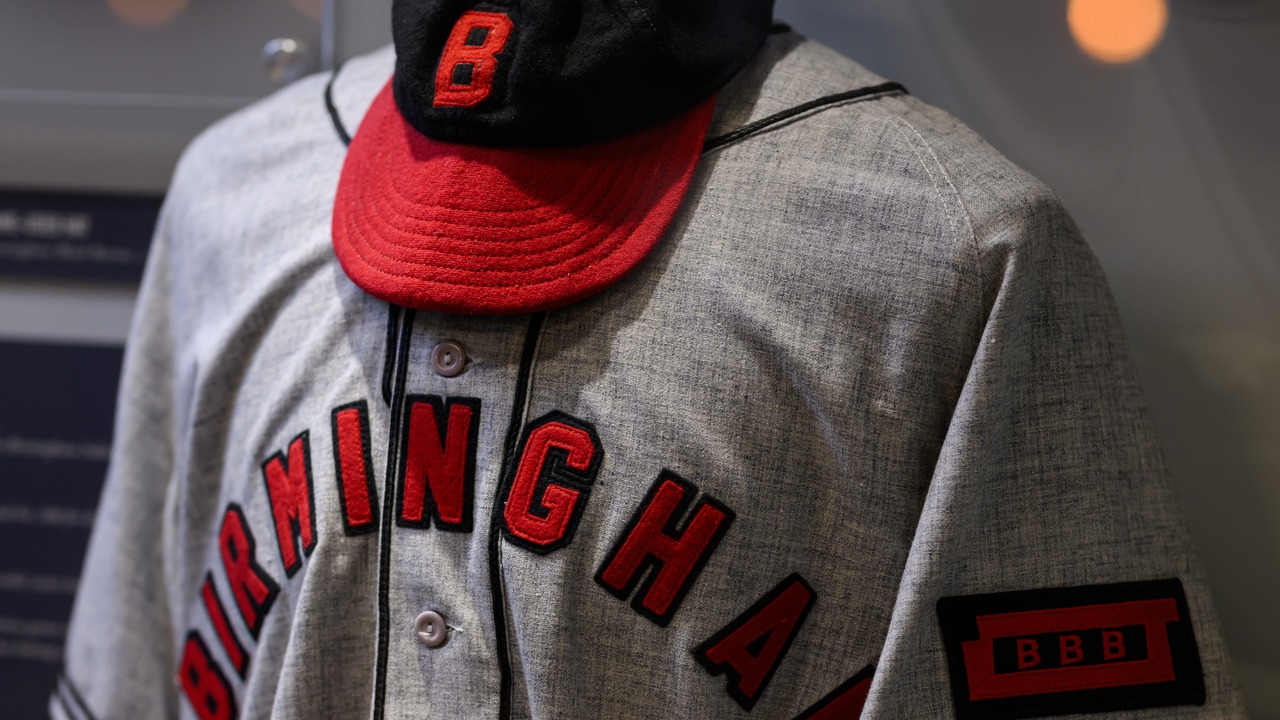
Recognizing the historical disparity in benefits between major and minor leaguers, recent years have witnessed incremental strides toward enhancing the security and dignity of MiLB players. Notably, expansions of pension programs have begun to include former Negro League players, extending overdue recognition and fiscal support to a previously marginalized cohort. Such developments underscore a growing institutional awareness of the value and vulnerabilities of MiLB athletes.
Efforts to remedy pension shortfalls are often constrained by financial realities and existing organizational policies. Nonetheless, these initiatives signal progressive momentum, demonstrating a commitment to bridging the gap between the sport’s elite and its developmental ranks. The broader discourse also includes conversations around improved health benefits, occupational injury protections, and post-career support systems, all vital in fostering a holistic environment of player welfare.
Health Benefits and Insurance: A Patchwork Reality
Health insurance epitomizes a critical facet of player benefits, given the physically demanding nature of professional baseball. Minor League players often encounter a fragmented and inconsistent health insurance landscape. Coverage provisions are typically limited to the playing season and may not extend comprehensively during off-season periods, leaving many athletes vulnerable to medical expenses incurred from injuries or chronic conditions.
This patchwork reality creates a paradox; players dedicate their prime physical years to rigorous training and competition, yet often lack sufficient healthcare access owing to contractual and organizational limitations. There have been calls within the sport’s governance forums to standardize and elevate medical coverage, recognizing that adequate health benefits contribute significantly to player longevity and overall well-being.
The Economic and Psychological Implications for Players
The inadequate pension and benefit structures do more than jeopardize financial security; they exert profound economic and psychological pressures on Minor League players. The specter of uncertain and limited post-career benefits exacerbates wage insecurity and underscores the precariousness of their professional journey. For many, the psychological toll of navigating this ambiguity parallels the physical demands of the sport itself.
Financial precarity often necessitates offseason supplemental employment, detracting from rest, recovery, and skill development. Moreover, uncertainties surrounding retirement security may influence decision-making processes, career longevity, and mental health. These ramifications highlight the intricate interrelation between benefit provisions and player performance, well-being, and life beyond the diamond.
Comparisons to Major League Baseball Benefits
In stark contrast, Major League Baseball players enjoy robust, collectively bargained pension plans and comprehensive benefits packages. These encompass substantial retirement funds, guaranteed health insurance, and additional supports like disability coverage. The disparity between MLB and MiLB benefits reflects not only differences in revenue generation but also the historical evolution and bargaining power inherent in each segment.
The chasm extends beyond monetary terms, symbolizing a broader commentary on labor relations within professional sports. While major leaguers benefit from union representation and decades of negotiated improvements, many minor leaguers remain without similar collective leverage, further complicating efforts to level the playing field.
The Road Ahead: Prospects for Reform and Equity
Efforts to enhance pension and benefits for Minor League Baseball players continue to gain traction amidst growing public and institutional oversight. Legislative proposals, collective advocacy, and negotiations within baseball’s governance structures are gradually shaping pathways toward improved worker protections and financial security. A confluence of factors—from increased revenue sharing to heightened media attention—may catalyze transformative changes.
Nonetheless, the process is neither swift nor facile. Balancing the fiscal viability of minor league franchises with the ethical imperative to safeguard players demands nuanced approaches. Innovations in contract structuring, health care provision, and pension fund management are under exploration, reflecting a more modern understanding of athlete welfare as a multifaceted commitment rather than a peripheral concern.
Ultimately, the fascination surrounding Minor League Baseball’s pension and benefits arrangements beckons a closer examination of labor dynamics within sports and society. It reveals poignant truths about ambition, risk, and recognition in a world where dreams are pursued on the margins, often without the financial safeguards afforded to celebrated counterparts. The unfolding story remains a vital chapter in the ongoing dialogue about equity, dignity, and the true cost of America’s pastime.