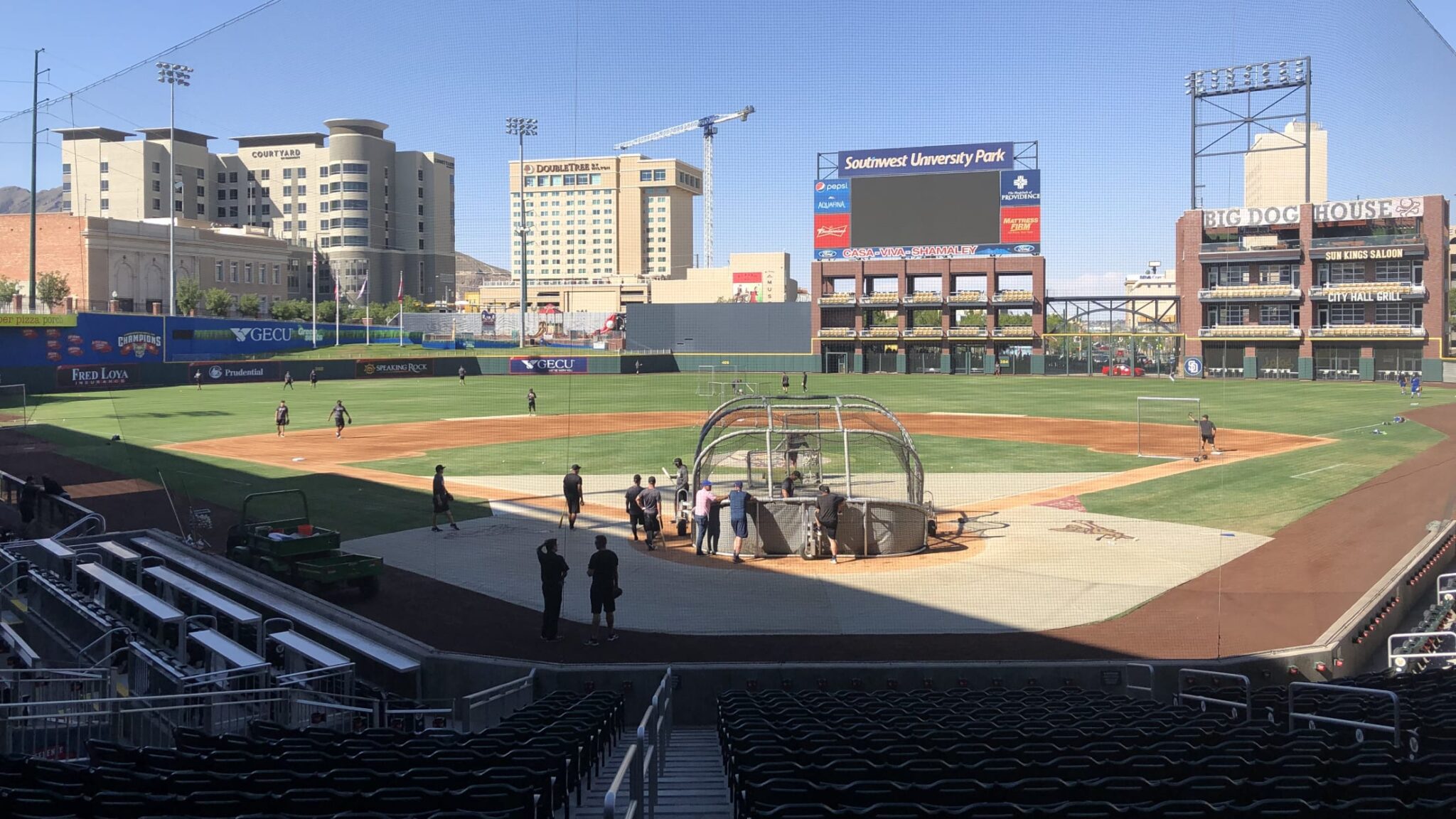
In the complex hierarchy of professional baseball, the journey through the minor leagues is a crucible of both hope and hardship. While Major League Baseball players often enjoy substantial contracts and lucrative endorsements, their minor league counterparts face a starkly different economic reality. The year 2025 brings to light a detailed exposé on the modest earnings of minor league baseball players, revealing the financial landscape that shapes their careers and lives. This article delves deep into the myriad factors influencing minor league salaries, the recent adjustments made, and the broader implications for players navigating this challenging terrain.
Overview of Minor League Baseball Salary Structures
Minor league salaries have long been a contentious issue, marked by disparities that range extensively based on league level, geographic location, and organizational affiliation. Unlike their major league colleagues who benefit from standardized minimum salaries, minor leaguers’ pay is often segmented by their classification—Single-A, Double-A, and Triple-A—each representing a different tier in professional development. In 2025, the salary structures exhibit incremental increases, reflecting organizational attempts at reform. However, the overall compensation still positions many players below federal poverty guidelines during the months of active play.
Typically, Single-A players earn the least, averaging in the realm of $15,000 for the season, which spans roughly five months. Double-A players may see figures closer to $20,000, while Triple-A players approach around $30,000, occasionally reflecting slight variances depending on club budgets and local cost of living adjustments. These figures exclude offseason earnings or bonuses, which remain rare. Despite recent pledges to improve conditions, the foundational pay scale underscores an enduring economic gap within professional baseball.
Payment Schedules and Contractual Nuances
The remuneration process for minor leaguers involves intricacies that may perplex outsiders. Salaries are typically disbursed on a bi-weekly basis throughout the contracted season, but players often do not receive compensation during spring training or offseason workouts, periods critical to skill development and conditioning. Contracts in the minor leagues are notoriously short term, sometimes spanning just a few months with the hope of extension or promotion.
Moreover, signing bonuses for minor leaguers fluctuate widely depending on draft status and international player designation. Top-round draft picks may receive signing bonuses that augment their overall earnings substantially, while players signed as free agents or in later rounds often forgo this benefit, relying solely on their modest base pay. The ephemeral nature of these contracts adds layers of financial uncertainty, intensifying pressure on players to perform and secure advancement.
Cost of Living and Financial Strains on Players
An often-overlooked factor in assessing minor league salaries is the cost of living in the various cities where teams are located. Many minor league hubs exist in smaller or economically diverse communities where housing and basic expenses can be inconsistently priced. While some clubs provide subsidized housing or team-arranged accommodations as part of their welfare initiatives, many players must secure housing independently, navigating markets without the benefit of negotiated team support.
Beyond housing, players confront expenses related to food, transportation, equipment, and healthcare. Medical coverage, while provided, varies in comprehensiveness and may leave players vulnerable to uncovered expenses in the event of injury. The cumulative effect means that a significant portion of minor league earnings is often consumed by essential costs, leading many players to seek supplementary income through offseason jobs or community engagements.
Recent Policy Changes and Their Impact on Salaries
The recent labor negotiations and policy shifts have instigated notable discussions regarding minor league pay scales. In 2025, there has been a discernible push from player associations and advocacy groups to establish more equitable salary floors and improved living standards. Some organizations have responded by instituting incremental raises and expanded benefits, including per diems and travel stipends, aimed at alleviating financial burdens.
Despite these strides, comprehensive systemic reform remains a work in progress. League-wide protocols vary, and while some high-profile minor league teams have championed enhanced pay and support systems, others lag behind due to budgetary constraints. This patchwork enforcement underscores the persistent challenges in aligning minor league salaries with the rigorous demands and sacrifices of professional baseball.
Comparative Analysis: Minor League Salaries vs. Other Professional Sports
When contrasted with other professional sports, minor league baseball salaries are frequently on the lower end of the spectrum. Professional athletes in leagues such as basketball and football often benefit from unionized pay structures and minimum salary guarantees, even at developmental or practice squad levels. This comparison highlights a stark inequity within the broader sports industry, where minor league baseball players serve as an essential talent pipeline but receive disproportionately minimal compensation.
Additionally, international professional leagues have demonstrated willingness to offer competitive salaries to emerging baseball talents, resulting in a dynamic labor market influenced by global economic opportunities. For many players, this global comparison informs career decisions, prompting considerations beyond the conventional American baseball pathway.
Long-Term Career Prospects and Financial Planning for Minor Leaguers
The precarious salary landscape of minor league baseball imparts a critical need for judicious financial planning among players. Many athletes face the harsh reality of short playing careers, with the added uncertainty of injuries and fluctuating performance impacting longevity. Prudent management of limited income, combined with financial literacy, becomes indispensable to navigating post-playing careers.
Players increasingly turn to education programs, dual-career pathways, and entrepreneurial ventures to supplement their financial security. Initiatives by teams and external organizations to provide financial counseling and post-career transition support have gained traction, recognizing that the monetary realities of minor league baseball necessitate robust planning beyond the diamond.
Conclusion: Navigating the Financial Realities of Minor League Baseball in 2025
The disclosure of minor league baseball salaries in 2025 paints a sobering picture of the economic conditions that underlie the dream of making it to the majors. Modest pay, rigorous schedules, and variable living costs coalesce to create a challenging environment for players committed to their craft. While incremental progress has been made through policy reforms and advocacy, substantial disparities endure, prompting ongoing conversations about fairness and sustainability within the sport.
For fans and observers, understanding the financial intricacies of minor league baseball offers a richer appreciation of the perseverance and sacrifice embodied by these athletes. As the sport continues to evolve, so too must the structures that support its emerging talents, ensuring that the pathway to professional glory is navigable not only physically and mentally but economically as well.