The allure of professional baseball often conjures images of roaring crowds, home runs, and multi-million-dollar contracts. Yet, nestled within the vibrant ecosystem of America’s pastime lies a level far removed from the financial glamour of the Major Leagues. The Durham Bulls, a revered minor league team, epitomize this intriguing middle ground, where passion meets perseverance and compensation narratives challenge popular assumptions. Delving into the earnings of Durham Bulls players promises a shift in perspective—inviting a recalibration of how we value these athletes and their relentless pursuit of a dream.
The Minor League Reality: Beyond the Glamour
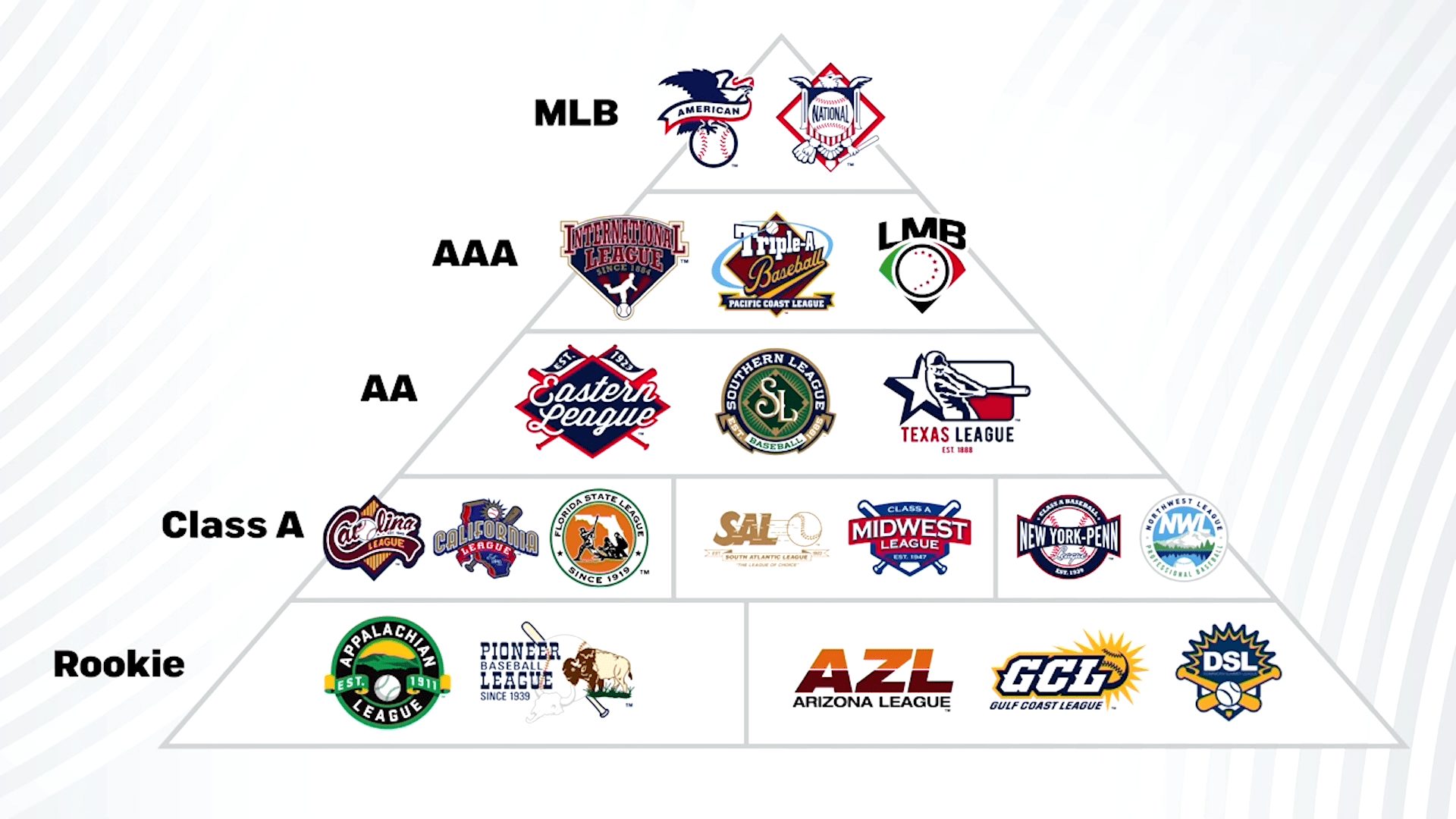
The Durham Bulls operate as the Triple-A affiliate in the minor league hierarchy, just one step below Major League Baseball (MLB). While this proximity to the highest level of play might suggest lucrative contracts, the reality paints a different picture. Minor league players, including those on the Bulls’ roster, navigate a financial landscape starkly different from their Major League counterparts. Salaries here are modest, often lagging behind what many would expect for professional athletes. This disparity arises from the complex economic structures underpinning minor league baseball, challenging the conventional narrative that all professional players enjoy substantial earnings.
Unpacking the Earnings: How Much Do Bulls Players Make?
Understanding the compensation of Durham Bulls players requires recognizing the tiered pay scales enforced by Minor League Baseball. Salaries vary widely based on experience, service time, and contract specifics, but a typical Triple-A player earns notably less than those in the Major Leagues. Reports suggest that monthly salaries for Triple-A players hover between $2,100 to $3,000 during the approximately five-month season. This translates to a seasonal earning of roughly $10,000 to $15,000—figures that starkly contrast with perceptions of professional sports wealth.
Moreover, these earnings exclude off-season income, meaning many players must find supplementary work or rely on personal savings. For players on the cusp of breaking into the majors, these financial constraints add a layer of pressure to an already demanding career path. The Bulls offer a compelling real-life example of this ecosystem—a microcosm demonstrating how dedication in sport often requires significant personal sacrifice.
The Economic Ecosystem: What Influences Player Salaries?
Several factors sculpt the salary structures in minor league baseball. One of the most critical influences is the collective bargaining agreements between Major League Baseball and Minor League Baseball, dictating baseline pay and working conditions. Additionally, players drafted in earlier rounds usually receive higher signing bonuses but must still navigate the same modest monthly salaries. The Bulls, with their robust affiliation to the Tampa Bay Rays, mirror these dynamics, where prospects’ compensation reflects both potential and organizational budget constraints.
Another compelling factor is the limited revenue generation at the minor league level. Unlike the Major Leagues, where broadcasting rights and sponsorship deals yield substantial income, minor league teams derive most of their resources from ticket sales and local sponsorships. This financial reality restricts payroll flexibility, directly impacting how players are compensated. Therefore, being a Bulls player entails embracing not just the athletic challenge but also the economic tightrope of minor league life.
Living Conditions and Benefits: The Broader Compensation Picture
Player earnings alone only reveal part of the story. The lifestyle and benefits package afforded to Durham Bulls players contributes significantly to their overall compensation experience. Unlike major leaguers, minor leaguers often grapple with basic issues such as affordable housing and daily living expenses on relatively low incomes during the season. While some teams provide housing stipends or dormitory-style accommodations, the adequacy varies and frequently leaves players stretching resources to cover necessities.
Adding complexity is the demanding travel schedule and the grind of long bus rides across the country. Although these conditions are integral to professional sports, their financial and physical toll is amplified when set against modest pay. Limited or no health insurance coverage beyond basic medical emergencies also characterizes this stage of a player’s career. Thus, compensation must be viewed holistically, encompassing both tangible earnings and intangible sacrifices.
Real-Life Case Study: A Season With the Durham Bulls
Consider the journey of a typical Durham Bulls roster player during a single campaign. Contractually, the player might receive a monthly salary near the upper bound of Triple-A pay, hovering around $3,000. Over the course of the five-month season, their cumulative income nears $15,000. From this amount, necessary living expenses such as rent, meals, transportation, and equipment sharply erode take-home earnings.
Outside the season, many players return home or engage in supplemental employment to sustain themselves. This cyclical pattern underscores the precarious financial underpinning of minor league careers. Yet, it also highlights the profound dedication these athletes maintain, balancing economic realities against their aspirations to ascend to the Major Leagues. The Bulls’ organizational structure supports player development, but the onus of navigating these hardships remains largely with the individual.
Promises of Change and Emerging Trends
In recent years, growing scrutiny and advocacy efforts have spotlighted the plight of minor league players’ compensation. Legislative initiatives and unionization drives aim to improve wages, housing security, and benefits for athletes who fuel the professional baseball pipeline. The story of the Durham Bulls players exemplifies this broader movement—one that promises to reshape how minor league talent is compensated and valued.
Emerging trends indicate teams and leagues are exploring more sustainable economic models and enhanced player support systems. These shifts herald hope for transforming the minor league compensation narrative from one of sacrifice to one recognizing fair labor and economic dignity. While precise outcomes remain in flux, the dialogue reflects an essential evolution in professional sports economics, with Durham’s players at the heart of this transition.
Broader Reflections: Reassessing Value in Professional Baseball
Beyond numbers and contracts, the Durham Bulls’ compensation realities compel us to reassess how we assign value within professional sports. Monetary rewards, while fundamental, represent just one lens through which this ecosystem should be viewed. The intensity of competition, commitment to craft, and resilience amid financial adversity all contribute to a richer, more nuanced understanding of professional baseball’s human dimension.
Players pursuing their dreams with the Bulls remind us that professional athletics can embody perseverance more than prosperity. They exemplify dedication under conditions demanding both patience and ambition. Recognizing their journey infuses the sport with greater empathy and appreciation—offering a shift in perspective well worth embracing.