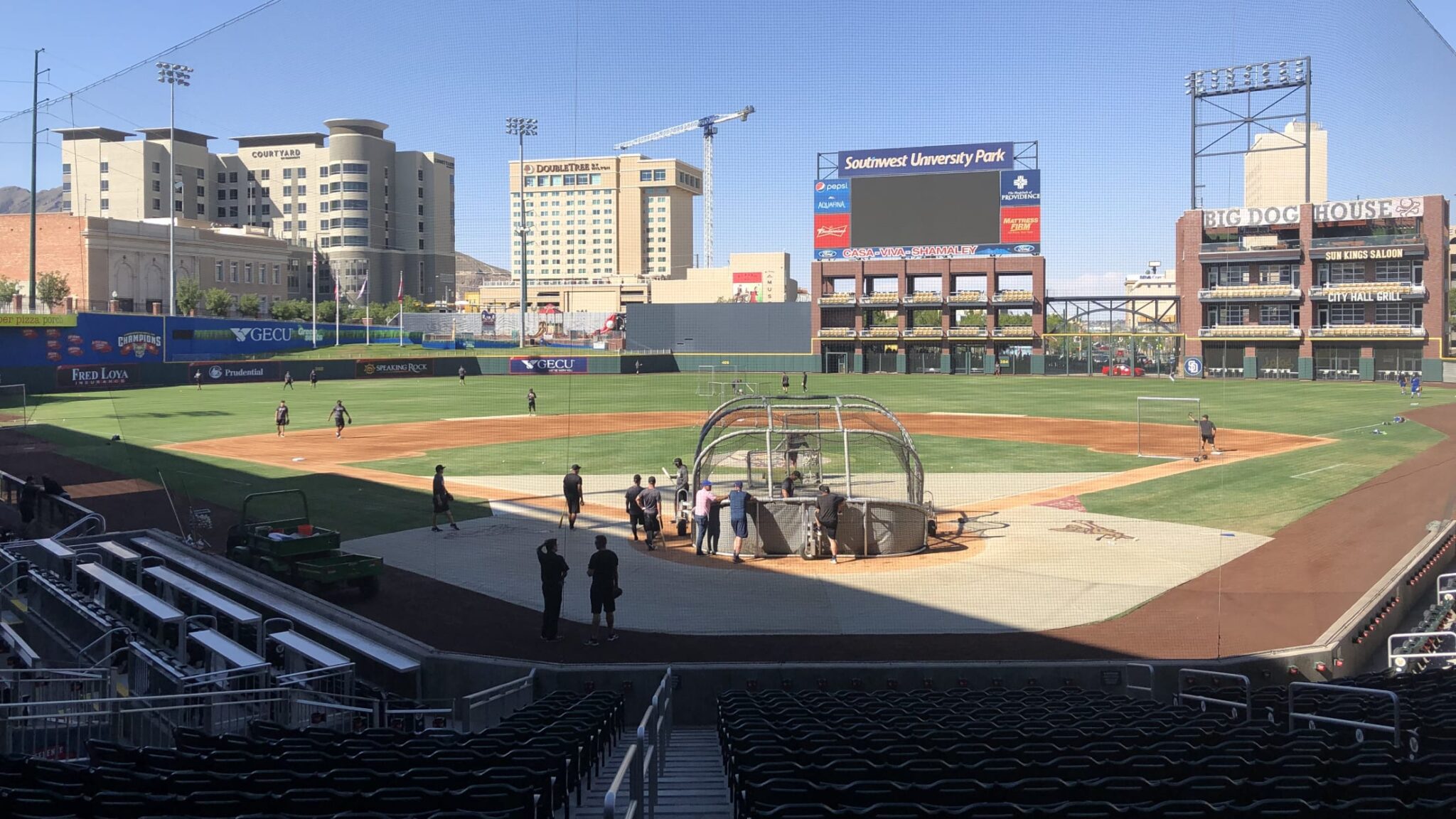
Minor League Baseball has long been romanticized as the proving ground for future Major League stars, a place where raw talent sharpens into professional prowess. Yet behind the charm and the crack of the bat lies a complex economic reality that often contrasts starkly with the dream. Understanding the average salary in Minor League Baseball reveals not only the financial challenges players face but also the structural intricacies of team organization, contractual nuances, and the broader implications for the sport’s pipeline. This exploration will illuminate the multifaceted landscape of Minor League pay, examining its variances, consequences, and what it truly means for those chasing the diamond dream.
The Stratified Structure of Minor League Baseball Salaries
The Minor League system is stratified into multiple levels, each serving a distinct role in player development and salary scale. At the highest rung, Triple-A players typically command the most substantial salaries within the minors, while Rookie League and Low-A participants earn significantly less. This gradation not only reflects skill and proximity to the Major Leagues but also dictates the financial compensation players receive. Salaries can fluctuate from a few hundred dollars per week in rookie ball to a few thousand in Triple-A, with many players earning well below minimum wage when annualized.
These disparities arise because contracts in the minors are heavily influenced by factors such as player experience, draft position, and team cash flow. Additionally, stipends tend to be modest because many players are considered amateur athletes transitioning from college or high school systems. The economic stratification underscores the uneven advancement opportunities and intensifies the financial pressure on younger, less experienced players enduring long bus rides and meager accommodations.
Standard Contracts and Player Benefits
Compensation in Minor League Baseball is not only about base salary; it includes a host of contractual elements worth dissecting. Most players in the Minor Leagues sign standard player contracts with Major League organizations, which dictate pay scale, duration, and benefit eligibility. Unfortunately, benefits such as health insurance, housing stipends, and per diem allowances are often limited or inconsistently provided, causing many players to incur out-of-pocket expenses for essential needs.
Unlike their Major League counterparts, Minor League players typically lack union representation, which diminishes their bargaining power and leads to a basket of challenges in negotiating contracts. Housing is often a major concern, with many players resorting to host families, substandard motel rooms, or sharing cramped apartments. This precarious economic environment affects the overall quality of life and underscores the dissonance between the public perception of professional baseball and the gritty reality behind the scenes.
Seasonal and Weekly Pay: A Closer Examination
Minor League baseball salaries are usually disbursed on a weekly basis and hinge on the length of the playing season—usually spanning approximately five months. For many, the weekly pay can feel negligible when considering the volume of hours dedicated to training, travel, games, and recovery. The league’s historic pay scale, which has often garnered criticism, typically awards players something akin to a few hundred dollars per week, which, when extrapolated to yearly earnings, falls below the federal poverty line in many cases.
This seasonal employment paradigm compels most minor leaguers to seek supplemental income during off months. Many juggle offseason jobs, coaching roles, or other gigs to sustain themselves financially. The precarious nature of the salary system also highlights the economic vulnerability intrinsic to chasing a career in professional sports where the margin for error is razor-thin and the timeline compressed.
Comparative Analysis: Minor League Salaries Vs. Living Costs
Perhaps the most sobering reality lies in the juxtaposition of minor league salaries with contemporary living costs. Housing, food, transportation, and health care expenses quickly outstrip the modest paychecks many players receive. In metropolitan areas hosting minor league teams, inflated rental markets compound these challenges. Players often rely on financial support from family or personal savings to bridge this gap, an unsustainable model for many aspiring athletes.
This economic strain influences performance indirectly, as financial stress can impede focus, resilience, and overall well-being. The scarcity of resources places many players in a constant state of hustle, detracting from their ability to concentrate fully on developing the skills necessary to ascend through the ranks.
Reform Efforts and Advocacy for Fair Compensation
Recent years have ushered in discussions about reforming minor league pay structures. Advocates argue for increased minimum salaries, better housing provisions, and comprehensive healthcare coverage to align compensation more closely with the demands and sacrifices inherent in professional baseball. Legislative bodies and players’ associations have started taking notice, propelling initiatives that seek to enhance players’ quality of life and professional security.
These reform efforts are pivotal not only for player welfare but also for sustaining the talent pipeline feeding Major League Baseball. Improved compensation can reduce turnover, enhance player morale, and foster a more equitable sport culture. The push towards parity reflects a growing awareness that professional dreams should not come at the expense of basic human dignity and economic feasibility.
The Psychological and Career Impacts of Salary Realities
Financial constraints in the Minor Leagues have profound psychological consequences, influencing motivation, confidence, and mental health. The chimerical allure of the big leagues often wars with the daily struggle of subsistence living, creating cognitive dissonance for players deeply invested in their aspirations. Players experience anxiety over uncertain contracts, exhausting physical demands, and the potential for abrupt career terminations.
Moreover, salary-related pressures can affect decisions about longevity in the sport. Many talented individuals abandon promising careers prematurely due to untenable financial circumstances. The loss of potential stars not only diminishes the sport’s competitive richness but also sheds light on the systemic need to reconcile fiscal policies with holistic player development.
The Broader Economic Ecosystem of Minor League Baseball
Minor League Baseball operates within a broader economic ecosystem where team owners, local communities, and Major League affiliates play interdependent roles. Salaries are, therefore, one aspect of a financial matrix that includes ticket sales, sponsorships, merchandise, and community engagement. Teams must balance competitive payrolls with operational budgets, often prioritizing investments in scouting, training facilities, and marketing over substantial player salaries.
This intricate economic balancing act sometimes leads to difficult trade-offs. While teams strive to foster talent and community bonds, financial constraints limit their ability to offer attractive remuneration. Understanding this ecosystem contextualizes salary limitations and points toward structural recalibrations that could benefit all stakeholders.
Conclusion: The Reality Behind the Dream
The average Minor League Baseball salary is emblematic of a precarious yet passionate journey that millions of players undertake. Far from the glamorous image of professional sports, minor league players often navigate a labyrinth of financial hardship, contractual limitations, and personal sacrifice. The dream of reaching the Major Leagues is powerful, but it is pursued within a framework fraught with economic disparity and systemic challenges.
Recognizing the true compensation landscape allows for a more nuanced appreciation of the dedication exhibited by minor leaguers. It compels leagues, organizations, and fans alike to reconsider assumptions and champion reforms that honor the human element underpinning America’s pastime. The dream continues, but the reality demands attention, empathy, and change.