When stepping into the realm of Minor League Baseball, one might anticipate a game length closely mirroring its Major League counterpart—roughly three hours of poised athleticism and intricate strategy. However, beneath the familiar rhythms and rules lies a nuanced temporal landscape that challenges preconceived notions about duration and pace. The question “How long does a Minor League Baseball game last today?” unfolds into a multifaceted exploration of evolving gameplay, operational influences, and the subtle dance between tradition and innovation.
The Conventional Clock: Understanding Standard Game Duration
Traditionally, professional baseball games—both major and minor leagues—are structured over nine innings, with each inning comprising two halves. On average, Minor League Baseball (MiLB) games have hovered around the two hour and thirty minute mark. This is somewhat shorter than the Major League average, which has trended closer to three hours. The minor leagues’ reputation for brisker gameplay stems from a combination of factors: level of play intensity, fewer media timeouts, and different pacing in commercial breaks. Yet even within this framework, game lengths can fluctuate significantly based on on-field action and extraneous variables.
Pitching Changes and Their Temporal Impact
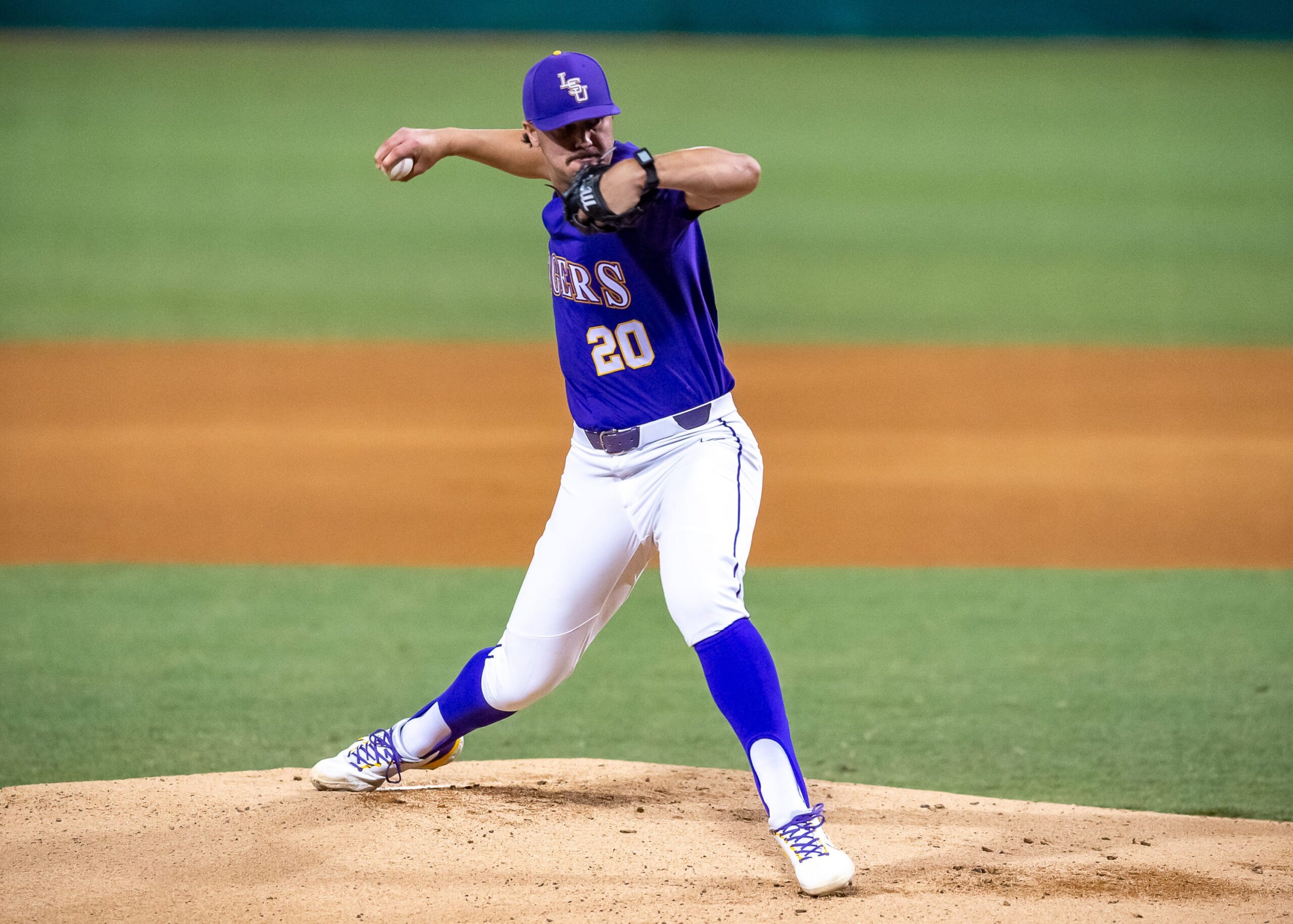
One element that distinctly shapes the elapsed time of a Minor League game is the frequency and timing of pitching changes. Unlike Major League games, where managers frequently deploy bullpen arms strategically, Minor League contests often serve as developmental crucibles. This means pitchers may be on more regimented pitch counts or limited innings, prompting more frequent substitutions. Each pitching change introduces a temporal interlude filled with mound conferences, warmup pitches, and sometimes brief strategic consultations. While necessary for player development and injury prevention, these interruptions modestly extend total game time but also add a rhythm unique to the minors—one that balances player care with the flow of action.
Rule Innovations Designed to Expedite Play
Minor League Baseball has been an experimental platform for rule modifications aimed at accelerating the pace and enhancing viewer engagement. Initiatives such as the implementation of “pitch clocks,” restrictions on defensive shifts, and automatic intentional walks have collectively contributed to condensed game durations. The pitch clock, in particular, places a stringent time limit on pitchers to deliver the ball, drastically reducing languishing intervals between pitches. Observers often highlight how these rule tweaks recalibrate not only the clock but the very tempo and psychology of the game, injecting a sense of urgency that redefines what a “typical” game length entails.
These innovations promise a shift in perspective—challenging traditionalists to embrace a faster, more dynamic baseball culture while preserving the sport’s cherished fundamentals.
Extra Innings and Their Effect on Total Game Time
While nine innings is the blueprint, the unpredictable nature of baseball sometimes mandates extensions beyond regulation play. Extra innings, employed when games end in ties, can significantly elongate contests. The minors often utilize a rule where a runner is placed on second base to initiate extra frames, designed to expedite conclusion and reduce player fatigue. Despite this, extended games can still creep well beyond three hours, depending on scoring and defensive play.
This variable injects an element of suspense and endurance into Minor League games, reminding fans that beneath the surface of regulated timing lies the quintessential unpredictability of America’s pastime.
Venue and Operational Considerations: The Role of Broadcast and Fan Experience
Game length is not determined solely by play on the field. The infrastructure of the ballpark, broadcast protocols, and commercial schedules weigh heavily on duration. Minor League stadia often cultivate family-friendly environments with shorter breaks and more continuous action to maintain viewer engagement—both in-park and on broadcast platforms. Unlike some Major League arenas where television contracts impose extended stoppages for advertisements and replays, the minors streamline these intervals.
Moreover, the emphasis on fan experience at the Minor League level means games are often tailored to avoid overlong twilights that may deter families and younger spectators. This operational approach subtly trims the temporal footprint of each contest, ensuring baseball remains accessible and enjoyable without dragging on excessively.
Weather Interruptions and Their Temporal Disruptions
Unsettled weather has always been a wildcard in baseball’s temporal equation. Rain delays and suspensions, more common in outdoor Minor League stadiums due to less infrastructure for rapid field drainage, can abruptly extend or truncate games. Suspended games might start anew on later dates, fragmenting the viewing experience but preserving statistical integrity.
These external variables spotlight the fragile interplay between nature and sport, underscoring how game duration is not simply a function of innings and plays but an ecological ballet influenced by unpredictable elements.
Player Development vs. Game Rhythm: Balancing Act on the Clock
Unlike the Majors, Minor League baseball carries a dual mandate: competitive entertainment and player development. This mission creates a dynamic tension influencing game length. Coaches may extend at-bats for prospect hitters to gain experience against varied pitches, or enable pitchers to work through complex sequences for learning purposes. These pedagogical choices occasionally prolong innings and, by extension, overall game time.
Conversely, the minors also employ strategies to avoid overly long games that could jeopardize player health or scheduling. Managing this balance requires conscientious timing decisions that ripple through the cadence and ultimate duration of contests.
The Future Trajectory of Minor League Game Lengths
Emerging trends suggest that Minor League Baseball will continue to innovate in ways that modulate game duration without diluting the core essence of the sport. As analytical tools evolve and fan consumption patterns shift—favoring immediacy and engagement—the minor leagues serve as laboratories for rule experimentation and operational refinement.
One might anticipate a future where Minor League games more consistently fall under the two-and-a-half-hour threshold, thanks to enhanced pacing rules, technological integrations, and strategic structure. This evolution holds promise for redefining how fans, players, and organizations perceive time on the diamond—ushering in an era where every pitch counts, both in play and in temporal economy.
In essence, the question of how long a Minor League Baseball game lasts today opens a portal to broader considerations. It reveals a delicate choreography of tradition, innovation, player development, and entertainment logistics—each thread weaving a temporal tapestry far richer and more complex than a mere stopwatch might capture.