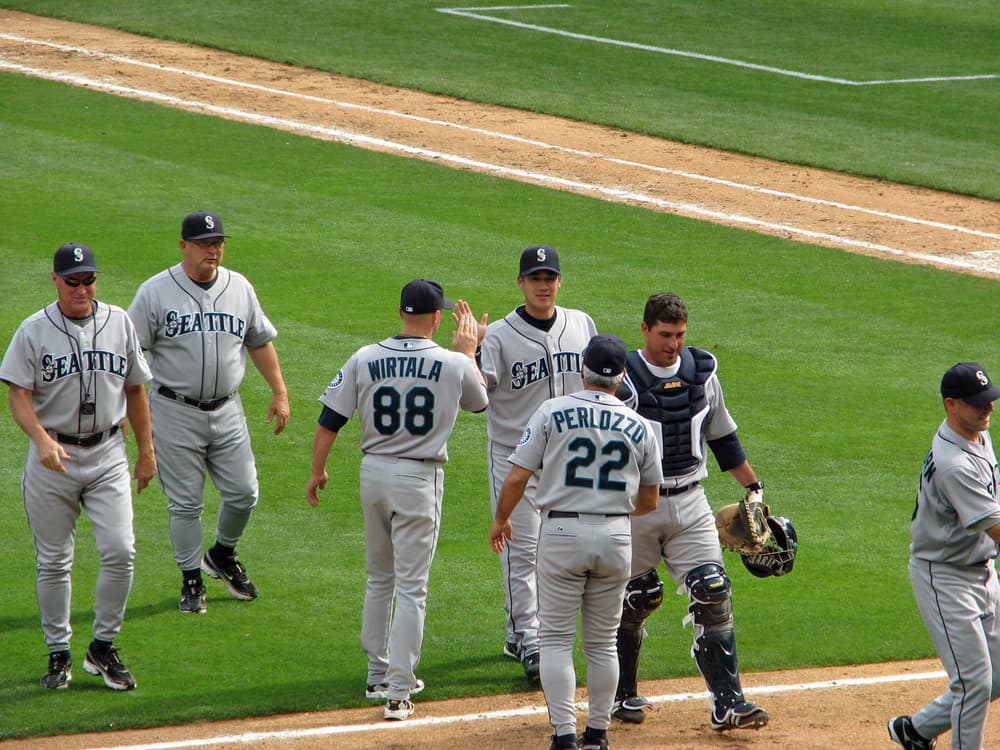
Baseball enthusiasts and casual observers alike often find themselves captivated by the intricate web of minor league systems. Among these, the distinctions between Triple-A and Double-A levels frequently spark curiosity and debate. While many perceive these two tiers simply as stepping stones in a player’s ascent to the majors, the reality is far more nuanced. The fascination with Triple-A versus Double-A transcends mere hierarchy; it delves into the very core of player development philosophy, organizational strategy, and the psychological and physical maturation of athletes poised on the brink of major league glory.
Structural Differences Between Triple-A and Double-A
At first glance, Triple-A and Double-A might appear as sequential rungs on baseball’s developmental ladder, yet their structural disparities underscore distinct functional purposes. Double-A serves as a rigorous proving ground, where raw talent is tested against a higher level of competition than lower minors. Players at this juncture are honing foundational skills, adapting to consistent pitching and strategic gameplay that closely resembles major league style.
Triple-A, conversely, operates as a liminal space—both a final crucible and a reservoir of experienced talent. It is where organizational depth is maintained and where players refine subtle nuances of their repertoire. The variation in player demographics also becomes apparent here: Triple-A rosters often contain a mix of prospects nearing readiness and seasoned veterans who bring stability and mentorship. This blend creates a competitive environment charged with urgency and strategic complexity, not just developmental intent.
Player Skillset Evolution: From Prospect to Major League-Ready
Double-A challenges players to bridge the gap between amateur promise and professional consistency. Pitchers refine command and secondary pitches while hitters adjust to increased velocity and precision. The emphasis is on identifying who possesses the capacity to adapt under pressure and sustain performance over extended periods. It is here that evaluators discern the difference between potential and likelihood—traits essential for progressing further.
By the time players reach Triple-A, the evolution pivots towards preparation for realistic major league scenarios. Pitchers must master sequencing, readjust to major league hitters, and manage the mental grind of longer seasons. Hitters face pitchers with greater pitch mix variety and strategic intent. The aim at Triple-A goes beyond skill acquisition; it involves tactical awareness, game intelligence, and resilience under fluctuating conditions, ensuring readiness not only physically but psychologically.
Organizational Strategy: Balancing Development with Immediate Needs
Triple-A and Double-A represent different organizational philosophies that reflect varying priorities. Double-A is primarily a development arena. The focus is on systematically cultivating younger talent, with a long-term eye toward sustained major league contributions. Teams afford these players the latitude to fail forward and adjust, recognizing that mastery requires patience.
Triple-A, however, blends developmental and operational functions. Organizations rely on their Triple-A affiliates as a flexible pool for immediate major league needs, ranging from injury replacements to strategic call-ups. As a result, decisions at this level frequently balance developmental trajectories with pragmatic imperatives. This dual role can create a dynamic wherein certain players are groomed for imminent impact, while others serve as organizational stabilizers, ready to contribute or mentor as necessary.
Psychological and Environmental Differentiators
The psychological stakes intensify markedly at Triple-A. Players here wrestle not only with their own aspirations but also with the realities of fluctuating opportunities. The environment can provoke introspection, resilience, or frustration. In contrast, Double-A players, often younger and earlier in their professional journey, typically experience a developmental ecosystem structured to encourage experimentation and growth without immediate pressure to perform at peak levels.
Moreover, the geographic and cultural differences between Double-A and Triple-A leagues introduce unique environmental variables. Travel schedules, ballpark atmospheres, and fan engagement levels differ, subtly influencing player performance and mindset. These external factors, though sometimes overlooked, contribute to the distinct challenges and experiences inherent to each level.
Statistical Performance and Scouting Implications
From a scouting and analytics perspective, performance metrics gathered at Double-A and Triple-A require contextual interpretation. Dominant statistics at Double-A often signify a player’s raw and developing tools. Organizations may view sustained success at this level as an indicator of high upside and major league potential. Conversely, the analytical lens applied to Triple-A also takes into account the presence of experienced players and transient roster movement, which can obscure pure developmental evaluation.
Advanced metrics at Triple-A aim to capture a player’s readiness and consistency against quality competition. Scouting reports ponder adaptability, situational awareness, and stamina. The synthesis of these quantitative and qualitative assessments informs critical decisions regarding promotions and major league integration—a delicate balance that underscores baseball’s intricate developmental matrix.
The Cultural and Historical Significance in Baseball’s Ecosystem
The allure of comparing Triple-A and Double-A extends beyond player mechanics and organizational pragmatism; it resonates deeply with baseball’s cultural narrative. These levels embody the dreams and struggles of countless players, each striving to transcend obscurity and secure a place in history. The stories forged here—of perseverance, adaptation, and triumph—fuel the sport’s mythology and connect fans to the human dimension behind statistics and scorelines.
Historically, Double-A has been revered as the initial true test, while Triple-A symbolizes the threshold between the minors and the majors—a gateway famed for both opportunity and heartbreak. This duality contributes to ongoing intrigue among followers of the game, as observers debate the significance of success at each level and speculate on the future trajectories of emerging stars.
Conclusion: Appreciating the Subtle yet Profound Divide
Understanding the real difference between Triple-A and Double-A transcends conventional wisdom. It is a multifaceted examination of developmental intent, competitive environment, psychological dynamics, and organizational strategy. The fascination with these tiers arises from their pivotal roles in molding athletes who embody the very spirit of baseball: relentless ambition, continual improvement, and the quest for excellence.
Far from being mere categories, Triple-A and Double-A each represent distinct crucibles that shape the professional destiny of players. Appreciating this complexity enriches one’s understanding of baseball’s developmental tapestry, revealing why these two levels command enduring attention and respect within the sport’s intricate ecosystem.