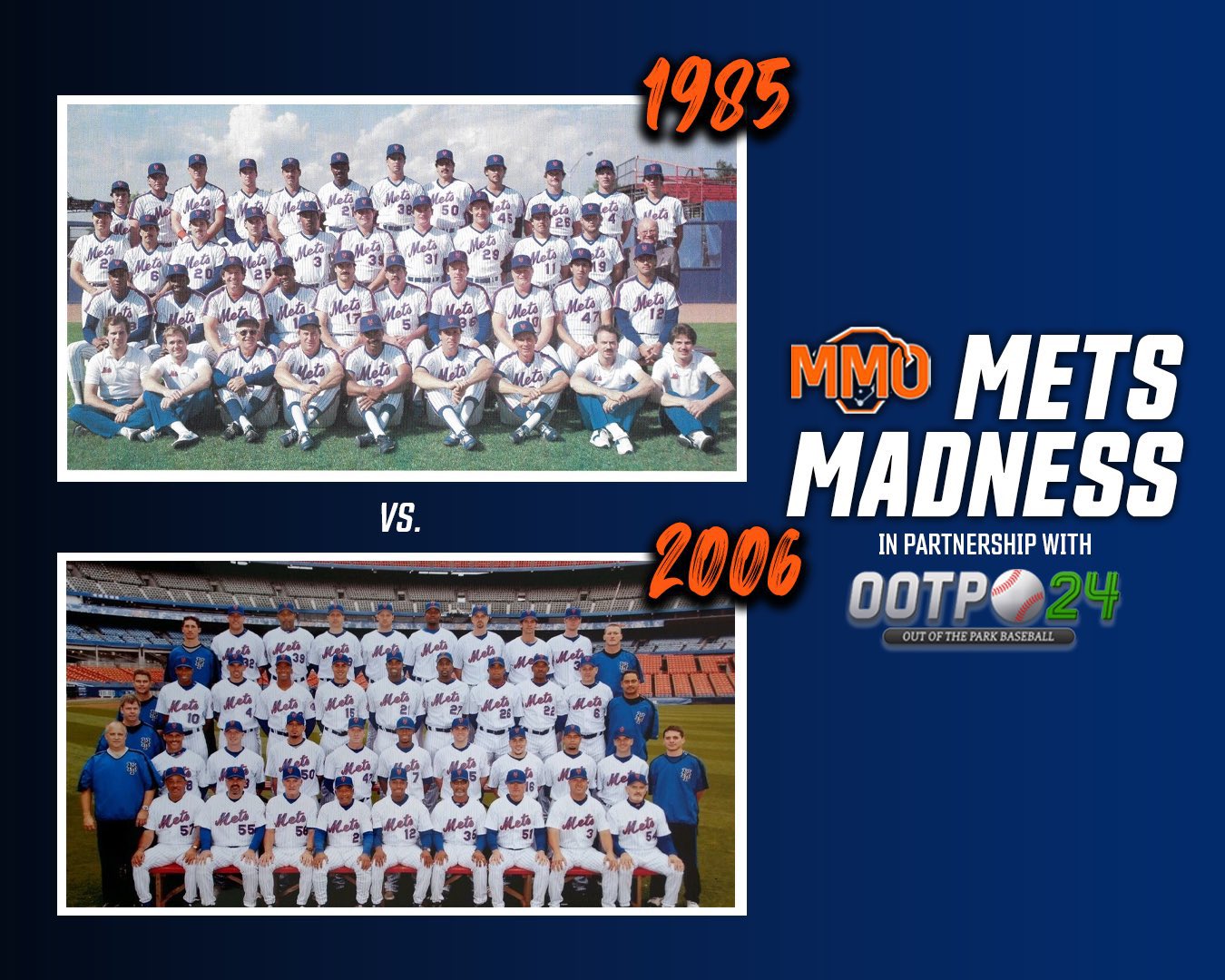
In the vast tapestry of Major League Baseball, certain seasons shimmer like rare jewels, marking pivotal moments that redefine franchises. For the New York Mets, the transition from 2005 to 2006 was not merely a change in the calendar; it was the dawn of a metamorphosis that reshaped the very essence of a team long burdened by inconsistency and unmet expectations. The 2005 season lingered like a somber prelude, while 2006 erupted as an exuberant crescendo—a turning point that would ignite new hope in the hearts of Mets fans and establish a blueprint for future ambition.
The 2005 Mets: A Season of Shadows and Foreshadowing
The 2005 Mets trudged through a labyrinthine season marked by a perplexing blend of underachievement and glimpses of latent potential. The team finished with a middling 83-79 record, a statistic that belied the nuances beneath the surface. This was a squad caught between the twilight of past stars and the nascent phases of emerging talent.
At the core of this iteration was the enigmatic David Wright, whose prodigious talent began to crystallize into the leadership and offensive potency that would define his career. However, despite flashes of brilliance from Wright and the fiery spirit of Carlos Beltrán, the lineup struggled with depth and consistency. The pitching staff, a sinew-thin component, ebbed and flowed erratically, with starting rotations frequently succumbing to injuries and ineffectiveness.
The 2005 campaign was akin to a palimpsest—a manuscript layered with old narratives being written over by new hopes, yet not fully articulated. Manager Willie Randolph grappled with inconstant execution and the weight of unmet expectations from a fervent fan base starved for postseason success. The season closed with a quiet sense of “almost but not quite,” a harbinger that the tides were indeed shifting.
The Winds of Change: Offseason Maneuvers and Revitalized Vision
As winter’s chill settled over Queens, the Mets’ front office undertook a series of shrewd organizational recalibrations designed not merely to patch holes, but to foster a renaissance. The period between 2005 and 2006 became a crucible for transformation—ambitious trades, strategic signings, and a renewed emphasis on developing the burgeoning talent within the franchise’s farm system.
One of the keystones was an invigorated pitching approach, focusing on bolstering both the rotation and the bullpen. The Mets acquired players whose skill sets aligned with a more aggressive and adaptive style of play. The metamorphosis was not solely about personnel; it was about culture. Embedding grit, resilience, and cohesion into the team’s DNA became an intangible asset nearly as vital as the physical prowess of its members.
This period also witnessed the maturation of critical players like José Reyes, whose explosive speed and infectious zeal electrified the infield and energized the lineup. The amalgamation of youthful exuberance with veteran experience produced a potent alchemy that whispered possibilities of postseason glory previously just beyond reach.
The 2006 Mets: From Aspiration to Realization
If the 2005 team was an embryonic form, the 2006 Mets emerged as a resplendent butterfly, casting off previous limitations and soaring with newfound verve. The season’s 97-65 record was not merely a triumph of statistics but a bold reclamation of identity. The Mets did not just win games—they announced their arrival as a formidable contender on the National League landscape.
Central to this ascendance was a lineup that harmonized power, speed, and strategic nuance. David Wright blossomed into an MVP-caliber performer, blending prodigious hitting with clutch situational excellence. Carlos Beltrán, despite injury setbacks, remained a galvanizing presence, while José Reyes redefined the leadoff role with his dynamic baserunning and batting acumen.
The pitching staff, revitalized through both acquisitions and internal development, held a steadier course. Oliver Pérez and Tom Glavine provided veteran stability and craft, whereas relievers like Billy Wagner sealed tight contests with precision. The blend of tactical innovation and individual heroics created a narrative thread of resilience and ambition that wove through the entire season.
A Symphony of Momentum: Key Moments and Defining Games
The 2006 season unfolded as a carefully orchestrated symphony of momentum, punctuated by electrifying victories that galvanized the team and its supporters. A memorable stretch in late summer saw the Mets embark on an 11-game winning streak—a torrid run that catapulted them into the upper echelons of the division standings and stifled doubts about their legitimacy.
Beyond the confines of scoreboard triumphs, the season featured critical moments that encapsulated the team’s resilience. Walk-off homers, late-inning comebacks, and clutch defensive plays became recurring motifs, each reinforcing the narrative of a team unshackled from past insecurities. These moments epitomized the unique appeal of the Mets during this period: a marriage of raw talent with an indefinable will to triumph.
The Postseason and Legacy: A New Chapter Begins
Progressing into the postseason for the first time since 2000, the 2006 Mets reengaged with a playoff atmosphere fraught with both excitement and pressure. Although they ultimately succumbed to the St. Louis Cardinals in the National League Division Series, the experience cemented the franchise’s rebound and signaled a competitive future.
The true legacy of the 2005-2006 transformation lay not simply in wins or losses but in the revitalization of the team’s ethos. It was the moment when the Mets stopped being perennial underdogs and began asserting themselves as a cohesive and confident entity—a team capable of withstanding adversity and performing with consistent excellence.
Conclusion: The Turning Point’s Enduring Resonance
The transition from the 2005 to the 2006 New York Mets stands as a compelling testament to the alchemy of perseverance, strategic insight, and emerging talent. It is a tale of rebirth, where a team rose from the doldrums of mediocrity to reforge an identity imbued with hope and promise. For Mets fans and baseball historians alike, this turning point season remains a vivid beacon—a reminder that in the game’s eternal ebb and flow, transformation is always within reach for those bold enough to pursue it.