The crack of the bat, the roar of the crowd – a baseball game is a quintessential American experience. Yet, embedded within this tapestry of tradition and exhilaration lies a less celebrated reality: a caloric minefield disguised as indulgence. Beyond the thrill of the game, a surprising number of us are unknowingly accumulating a significant caloric burden, all for the sake of that quintessential ballpark bite. This article delves into the often-overlooked nutritional realities of classic stadium fare, exposing the subtle ways they contribute to our dietary intake, and offering perspectives for enjoying the games without derailing health goals.
The Allure of the Ballpark Menu: A Gastronomic Siren Song
The very architecture of a baseball stadium seems engineered to encourage overconsumption. The nostalgic appeal, the communal atmosphere, and the sheer novelty of the food options themselves act as a potent psychological trigger. It’s more than just hunger—it’s a desire to participate in the ritual, to savor a piece of the experience. Think of the towering hot dogs, the overflowing nachos, the sugary beverages; they are not merely sustenance, but emblems of the game itself. That aroma of grilled onions and seasoned meats wafting through the stands is practically irresistible, a culinary zeitgeist that transcends simple appetite. This visceral response can easily override rational thought, leading to impulsive, and often regrettable, decisions.
The Hot Dog Hypothesis: Beyond the Familiar
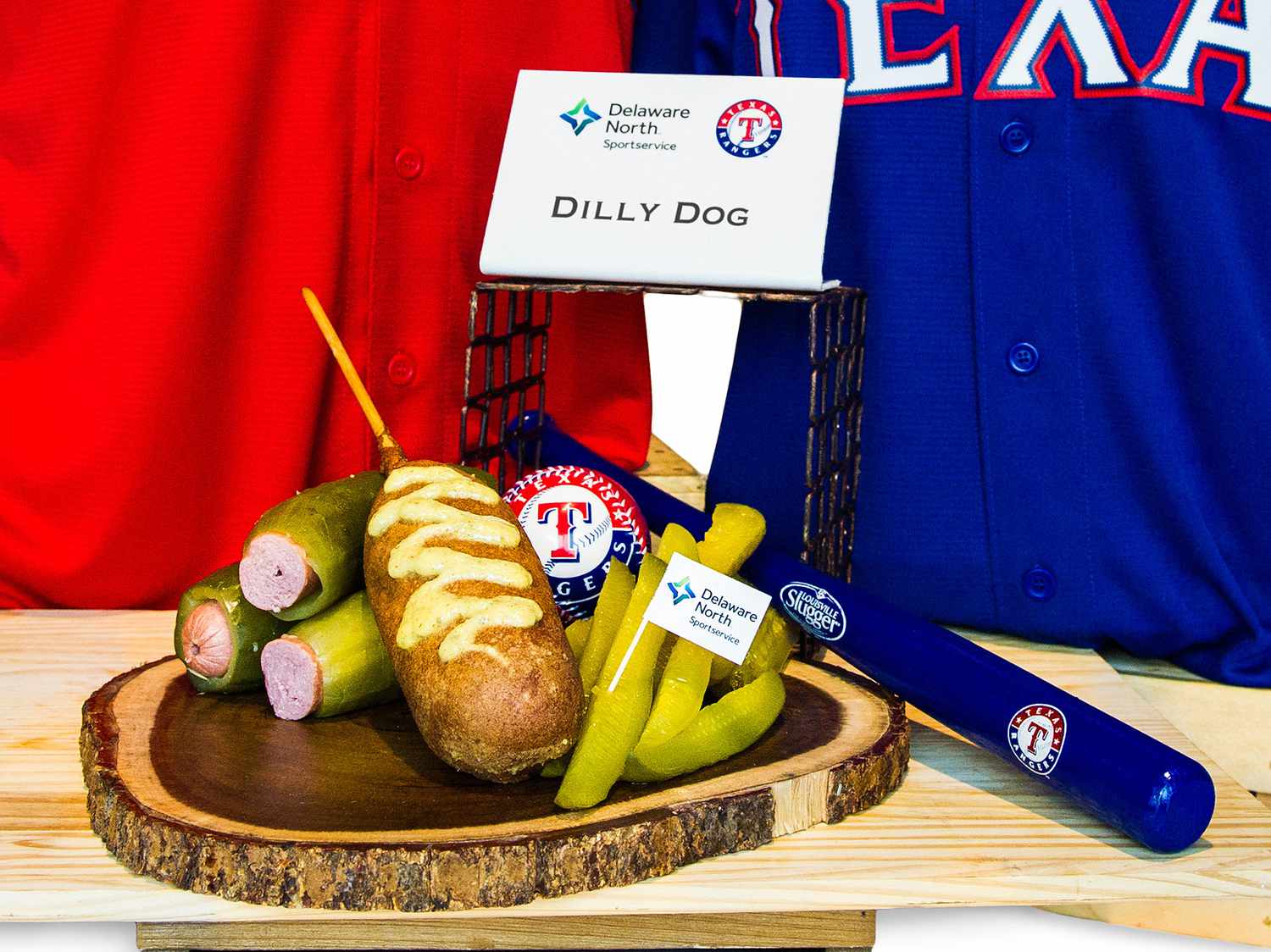
The hot dog—an icon of American cuisine and a staple at baseball games—is perhaps the most obvious offender. What begins as a seemingly harmless indulgence can quickly accumulate calories and sodium. Consider the average stadium hot dog: a processed meat tube, smothered in condiments like ketchup, mustard, and relish, often nestled within a fluffy, enriched bun. Its caloric footprint commonly exceeds 500 calories, and the sodium content can be staggeringly high, a veritable deluge that can negatively impact hydration and blood pressure. The bun itself, frequently crafted from refined white flour, lacks the nutritional complexity of whole-grain options, diminishing the overall value of the “meal.” Furthermore, the widespread availability of variations – chili dogs, cheese dogs, bacon-wrapped dogs—only amplifies the caloric density, transforming a simple pleasure into a significant energy surplus.
Nachos: A Cascade of Calories and Fat
Let’s journey to the realm of nachos, another notorious fixture of the stadium experience. The initial appeal—a mountain of tortilla chips layered with cheese, jalapeños, and perhaps some guacamole—is undeniable. However, what appears as a playful treat is often a deeply caloric catastrophe. The cheese, the most substantial contributor, boasts a high-fat content, while the sour cream and guacamole, frequently added to enhance the richness, introduce even more fat. The chips themselves, typically fried and laden with sodium, contribute to the overall caloric burden. A single order of stadium nachos can easily eclipse 1,500 calories and contain a considerable quantity of saturated fat and trans fats—substances we are encouraged to minimise. Picture it as a controlled avalanche of delectable, yet detrimental, components.
Frozen Concoctions: The Sweet Deception
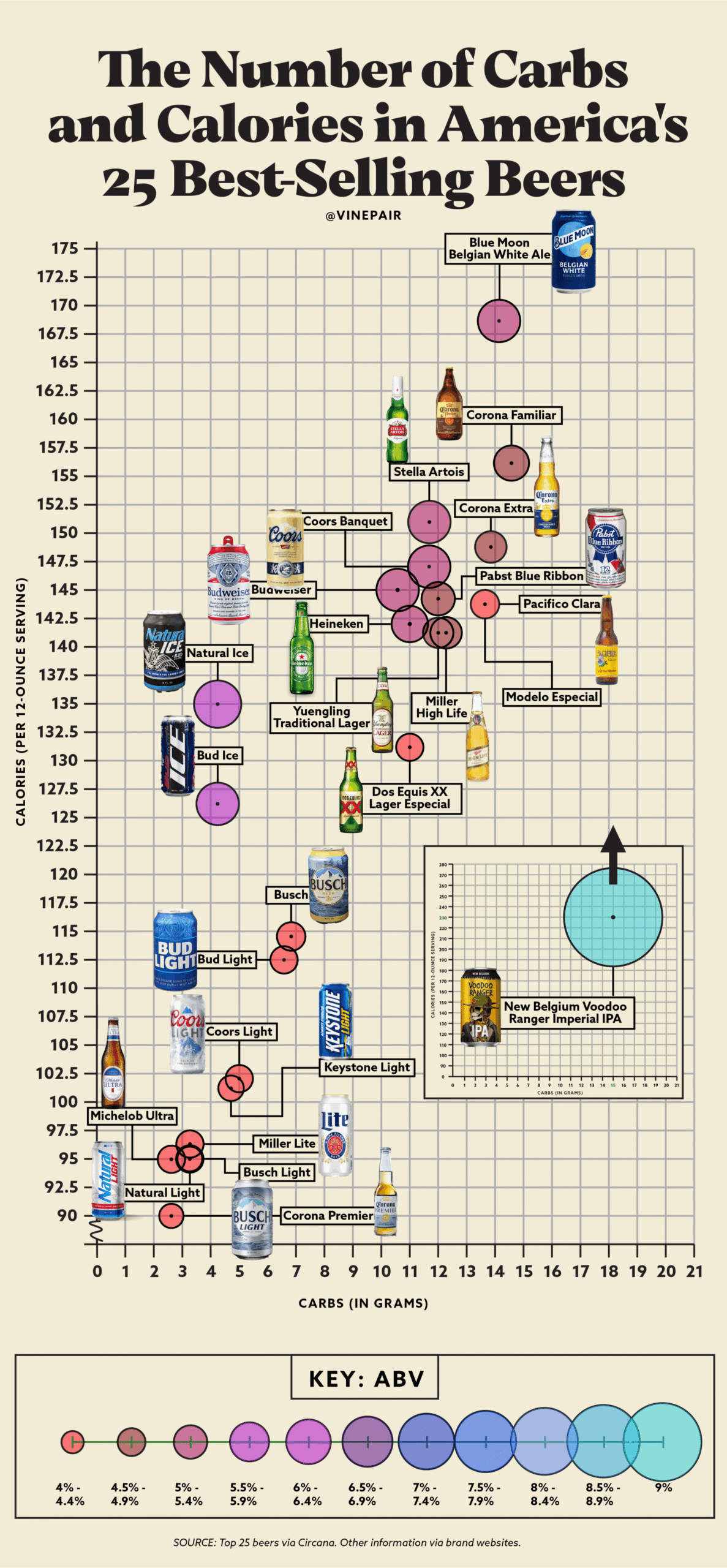
The sugary beverages, from colossal sodas to frozen concoctions, are often overlooked in the calorie assessment. These drinks provide negligible nutritional value while delivering a substantial amount of added sugar. The sheer volume consumed during a game, often in conjunction with other high-calorie foods, compounds the issue. A large frozen beverage, for instance, can easily contain over 500 calories and a staggering quantity of sugar—a metabolic jolt equivalent to consuming several candy bars. These “empty calories” contribute to weight gain, increase the risk of type 2 diabetes, and can exacerbate energy crashes later in the day. Instead of quenching thirst, they contribute to a deceptive sense of satisfaction, masking the absence of essential nutrients.
Peanuts & Popcorn: Seemingly Innocent, Surprisingly Significant
Even snacks perceived as relatively benign, like peanuts and popcorn, deserve scrutiny. While roasted peanuts offer some protein and healthy fats, they’re often heavily salted, contributing to excessive sodium intake. The real caloric surprise lurks in the popcorn. Traditional stadium popcorn is drenched in butter and salt, significantly elevating its caloric density. What initially seems like a light snack can, with repeated refills, add up considerably. This is not to condemn these treats entirely; rather, it encourages mindful consumption – perhaps opting for air-popped popcorn with minimal butter, or a smaller portion size.
The Psychology of Portion Distortion
A key factor contributing to overconsumption at baseball games is the phenomenon of “portion distortion.” The sheer size of stadium food portions has gradually increased over the years, leading consumers to perceive these oversized servings as normal. We’ve become desensitized to what constitutes a reasonable portion, and the stadium environment exacerbates this tendency. The visual abundance of food – the towering hot dogs, the overflowing nachos – unconsciously encourages us to consume more than we need. Recognizing this psychological trap is the first step in regaining control over our dietary choices.
Strategies for Mindful Ballpark Indulgence
Enjoying a baseball game doesn’t necessitate nutritional compromise. By adopting a few simple strategies, you can savor the experience without succumbing to a caloric overload. First, prioritize hydration with water or unsweetened beverages. Second, opt for smaller portions or share larger items with friends. Third, seek out healthier alternatives, such as grilled chicken sandwiches on whole-wheat buns, fruit cups, or salads. Fourth, be mindful of condiments – use them sparingly. Ultimately, mindful indulgence, a calculated approach allows for appreciation of the tradition without sacrificing well-being.
Beyond the Statistics: Reclaiming the Joy of the Game
The true essence of a baseball game extends far beyond the consumed calories. It resides in the camaraderie, the excitement, the shared experience. While understanding the nutritional profile of stadium food is essential for a holistic approach to health, it shouldn’t overshadow the joy and nostalgia associated with the game. The goal isn’t to eliminate indulgence entirely, but to cultivate a more conscious relationship with food, allowing us to enjoy the ballpark experience—and the game itself—to the fullest, without compromising our long-term health.