The evolution of baseball’s postseason structure has always mirrored the sport’s relentless pursuit of fairness and excitement. Yet, when whispers of a six-team playoff bracket began circulating, they weren’t just another fleeting rumor—they tapped into something deeper. Fans and analysts alike sensed an unspoken tension: the balance between tradition and innovation, between the purity of the regular season and the allure of expanded drama. This isn’t merely about adding more teams; it’s about redefining what it means to chase a championship in an era where every game feels like a high-stakes spectacle.
The Genesis of a Six-Team Playoff: Why the Shift?
The idea of a six-team playoff didn’t emerge from a vacuum. It grew from decades of frustration—fans watching elite regular-season teams miss the postseason due to the arbitrary constraints of a 10-team format, while underdog stories fizzled out in one-game wild-card showdowns. Baseball’s playoff structure had long been a relic of a bygone era, when the sport’s pace and unpredictability demanded a more rigid hierarchy. But as analytics reshaped how teams approached the game, so too did they reshape how fans expected to witness it. A six-team bracket isn’t just an expansion; it’s a concession to the sport’s growing complexity, where every win now carries the weight of a potential postseason berth—and every loss, the sting of a mathematical death spiral.
Consider the psychological shift. In a 10-team format, the third wild-card spot often felt like a consolation prize for a team that peaked too early. But with six teams, the stakes tighten. The fourth seed, for instance, isn’t just a wildcard—it’s a legitimate contender, forced to prove its mettle in a best-of-three series. This isn’t about diluting the playoffs; it’s about elevating the regular season into a true proving ground. The message is clear: if you’re good enough to earn a top-six finish, you’re good enough to compete for a title.
Breaking Down the Bracket: A Format Designed for Drama
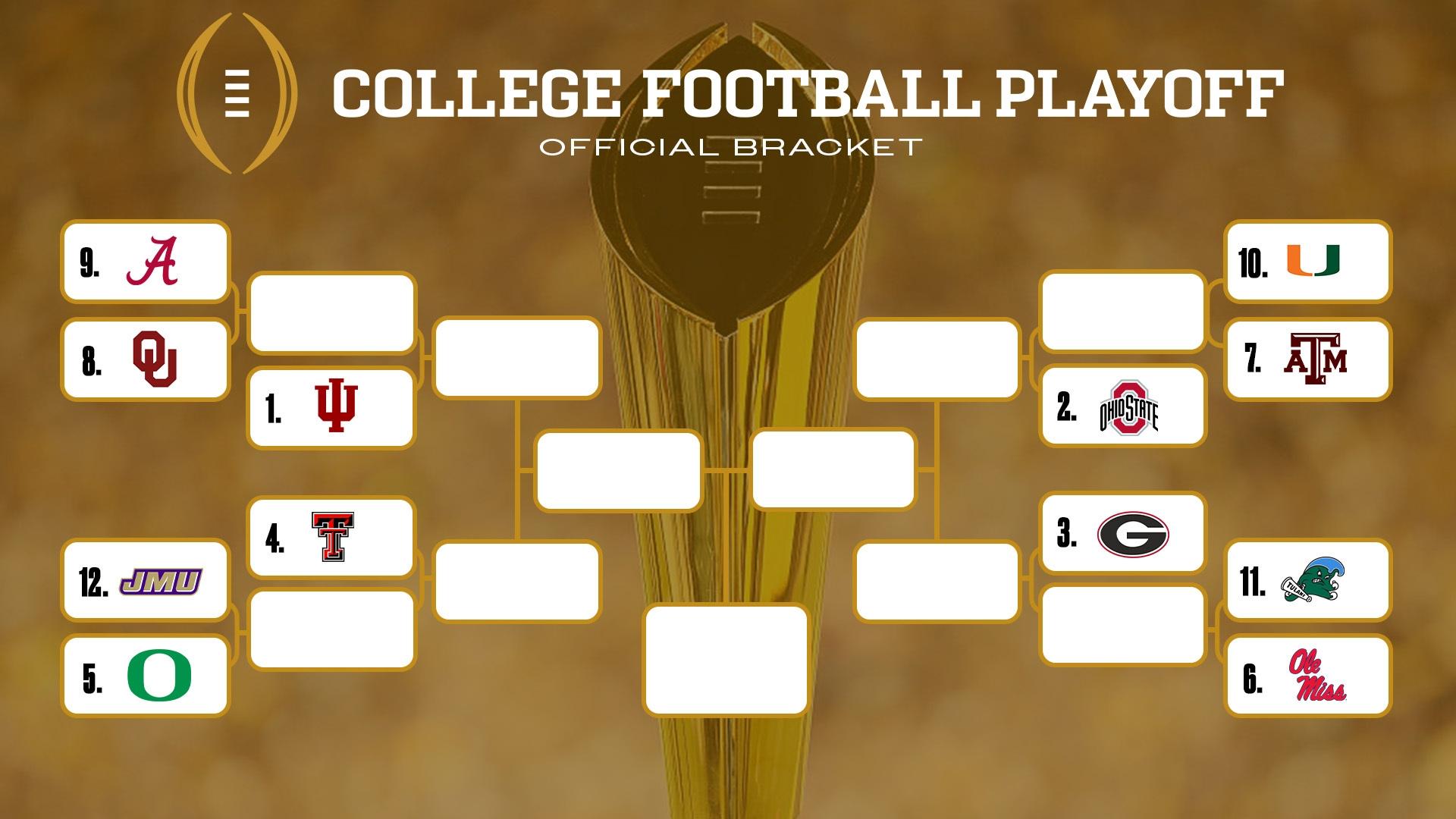
The six-team playoff isn’t a mere tweak to the existing system—it’s a structural overhaul with a singular goal: to maximize narrative potential. The format typically unfolds in three stages: a best-of-three Wild Card Series, a best-of-five Division Series, and a best-of-seven League Championship Series, culminating in the World Series. But the magic lies in the details. The top two seeds receive a first-round bye, a nod to their regular-season dominance, while seeds three through six battle in a compressed, high-stakes gauntlet.
This isn’t just about fairness—it’s about storytelling. The third seed, often a division champion with a gaudy record, faces the sixth seed, a wild-card team that survived a brutal regular-season grind. The fourth and fifth seeds, meanwhile, clash in a series that could decide which underdog gets a shot at the elite. The beauty of this format is its unpredictability. A team like the 2023 Baltimore Orioles, which dominated the regular season but stumbled in the playoffs, might have thrived in a six-team bracket, where a single series loss doesn’t end their title hopes. Conversely, a team like the 2022 Houston Astros, which squeaked into the playoffs on the final day, would have faced an uphill battle—but not an impossible one.
The Division Series introduces another layer of intrigue. With the top two seeds resting, the remaining four teams must navigate a best-of-five format, where a single loss doesn’t spell doom but a sweep does. This is where the six-team bracket truly shines. A team like the 2019 Washington Nationals, which stumbled out of the gate but peaked at the right time, could have ridden the momentum of a Wild Card Series win into a deep postseason run. The format rewards consistency without punishing late surges—a delicate balance that baseball has long struggled to strike.
The Psychological Warfare of the Six-Team Race
Few things in sports are as intoxicating as a playoff race that defies expectations. The six-team format amplifies this phenomenon, turning the final weeks of the regular season into a pressure cooker of tension. Suddenly, a team like the 2021 Boston Red Sox, which flirted with disaster before surging in September, isn’t just a feel-good story—it’s a legitimate contender. The format forces fans to engage with the standings in a way they never have before, where every game, every pitch, every at-bat could be the difference between a first-round bye and a sudden-death Wild Card Series.
This isn’t just about numbers on a board. It’s about the human element—the manager’s decisions, the pitcher’s mental fortitude, the hitter’s clutch performances. The six-team bracket turns the postseason into a theater of the absurd, where a team with a losing record in August can suddenly find itself one win away from the World Series. It’s a format that rewards resilience, punishes complacency, and above all, keeps fans on the edge of their seats. The psychological toll on players is immense, but so too is the reward: the chance to etch their names into history with a single swing of the bat.
Comparing Formats: How the Six-Team Bracket Stacks Up
To understand the six-team playoff’s impact, it’s worth contrasting it with other formats. The NFL’s 14-team playoff, for instance, prioritizes inclusivity but often dilutes the regular season’s significance. The NBA’s play-in tournament, while innovative, feels like a Band-Aid on a deeper issue. Baseball’s six-team bracket, by contrast, strikes a delicate balance. It expands the field without eroding the regular season’s importance, and it introduces a level of unpredictability that keeps even casual fans invested.
The NHL’s 16-team playoff, with its division-based structure, offers another point of comparison. While it ensures geographic fairness, it also creates imbalances where a strong team in a weak division might coast into the postseason. The six-team baseball format avoids this pitfall by focusing on overall records rather than divisional bragging rights. It’s a meritocracy in the truest sense, where the best teams rise to the top, regardless of their conference.
Yet, the six-team bracket isn’t without its critics. Some purists argue that it waters down the regular season, turning what was once a grueling 162-game marathon into a mere prelude to the real show. Others worry that the expanded format could lead to more injuries, as teams push their best pitchers deeper into October. But these concerns miss the point. The six-team playoff isn’t about diminishing the regular season—it’s about celebrating it. Every game matters now, not just the ones in September. Every win is a step toward October glory, and every loss is a reminder that the margin for error has vanished.
The Future of Baseball’s Postseason: What’s Next?
The six-team playoff is more than a temporary experiment—it’s a glimpse into the future of baseball. As the sport grapples with declining viewership and an aging fan base, formats like this could be the key to re-engaging audiences. The compressed, high-stakes nature of the bracket aligns perfectly with the modern appetite for instant gratification. Fans no longer have the patience for a month-long playoff marathon; they want drama, and they want it now.
But the six-team format also raises questions about where baseball goes from here. Will we see further expansions? A return to the two-league, best-of-seven World Series? Or perhaps a hybrid model where the top teams earn byes while the rest battle in a single-elimination tournament? The possibilities are endless, but one thing is clear: the six-team playoff has set a new standard. It’s a format that respects the past while embracing the future, a rare achievement in a sport often torn between tradition and progress.
As the first pitch of the new postseason era approaches, one thing is certain: baseball will never be the same. The six-team bracket isn’t just a change in format—it’s a revolution in how we experience the game. And for fans, that’s reason enough to be fascinated.