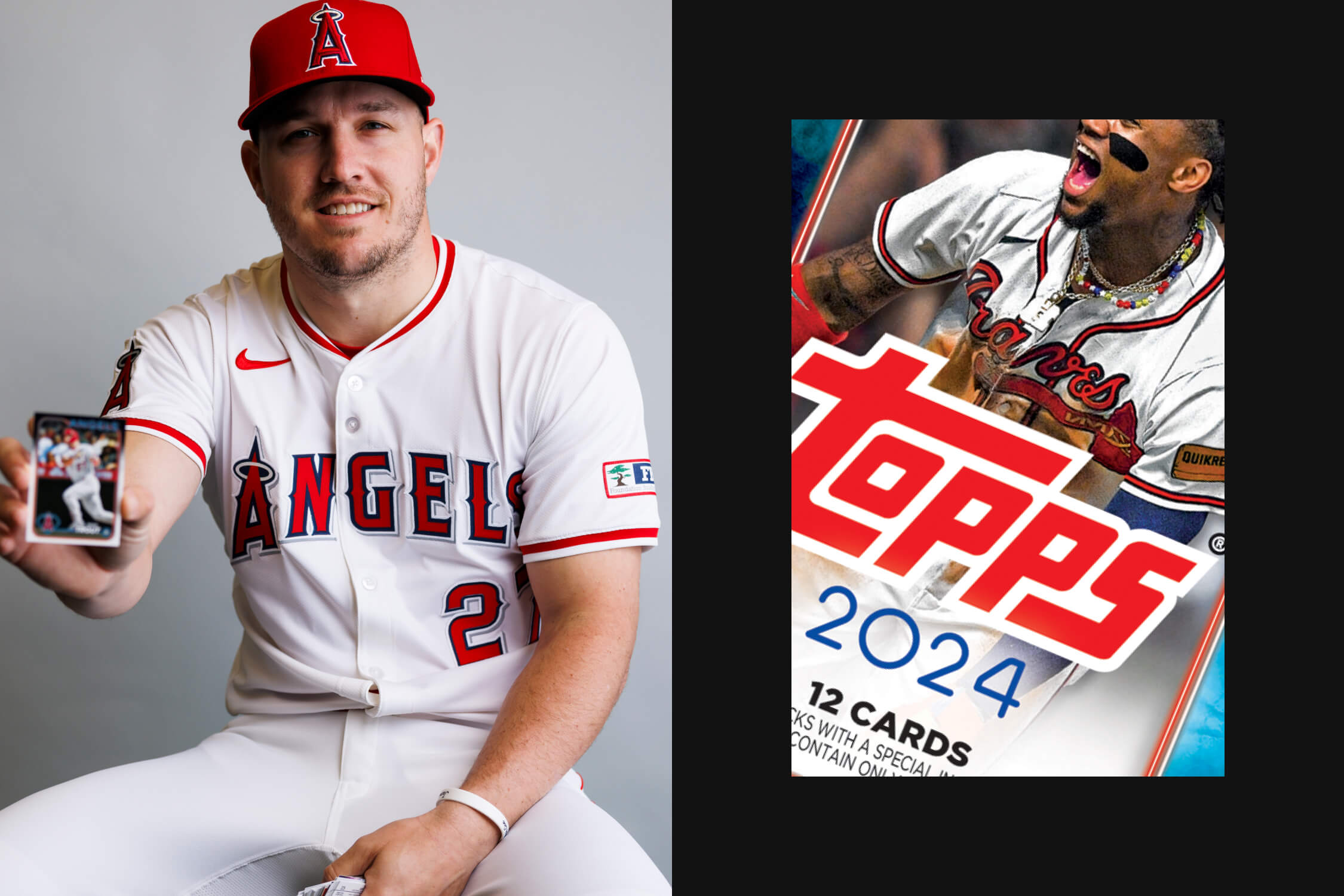
In the labyrinthine world of sports memorabilia, where the crack of a bat and the rustle of wax paper collide, one question has echoed through collector circles like a phantom fastball: Has Topps finally exorcised the ghosts of its past quality control failures? The 2026 season looms on the horizon, and with it, a new generation of baseball cards that promise—or threaten—to either redeem the brand or plunge it deeper into the abyss of fan frustration. The stakes couldn’t be higher. For decades, Topps has been the undisputed heavyweight of the baseball card universe, yet its reputation has been repeatedly marred by the specter of misprints, miscuts, and the dreaded “short prints” that never quite felt random. Could this be the year the tide turns?
The Ghosts of Topps Past: A Legacy of Lopsided Luck
To understand the gravity of Topps’ potential redemption arc, one must first confront the specters of its past. For generations, the brand has been synonymous with baseball cards, yet its legacy is as much a tale of triumph as it is of tribulation. The 1980s and 1990s, in particular, were rife with tales of collectors receiving stacks of duplicates while chasing the elusive chase card, their dreams of a pristine Mike Trout rookie shattered by the cruel whims of a printing press that seemed to have a vendetta. The infamous “error cards”—misprints, miscuts, and color swaps—became the stuff of legend, not for their rarity, but for their infuriating predictability. Fans whispered of a system rigged against them, where the house always won, and the house, in this case, was Topps.
Even as the digital age dawned, Topps’ struggles persisted. The shift to online platforms and serialized inserts did little to quell the growing disdain among collectors who felt the brand had lost its way. The promise of “guaranteed” randomness in modern products often felt like a cruel joke, with unscrupulous sellers exploiting the chaos to peddle overhyped “chase” cards at inflated prices. The question lingered: Was Topps truly incapable of change, or was it merely a victim of its own legacy?
The Independent Audit: A Beacon of Hope or a Smoke Screen?
Enter the independent audit—a term that, in the world of collectibles, carries the weight of a papal decree. The revelation that an external firm had scrutinized Topps’ production processes sent ripples through the hobby. For the first time in years, there was a glimmer of transparency, a crack in the fortress of secrecy that had long shrouded Topps’ operations. The audit’s findings, which suggested that cards were indeed being packaged at random, were met with cautious optimism. Could this be the smoking gun that collectors had been waiting for? Or was it merely a carefully orchestrated PR maneuver designed to lull the masses into a false sense of security?
The devil, as always, lies in the details. While the audit’s conclusions are a step in the right direction, the true test will come with the release of Topps’ 2026 products. Will the promised randomness hold up under the magnifying glass of real-world scrutiny? Or will collectors once again find themselves sifting through stacks of duplicates, their wallets lighter and their hopes dashed? The audit may have provided a roadmap, but the journey is far from over.
The 2026 Product Lineup: A Litmus Test for Topps’ Redemption
As the calendar flips to 2026, all eyes are on Topps’ latest offerings. The lineup promises a blend of nostalgia and innovation, with reboots of classic sets alongside fresh designs that aim to capture the zeitgeist of modern baseball. But will the products themselves live up to the hype? The early buzz suggests a cautious optimism, with some collectors praising the improved card stock and design coherence. Others, however, remain skeptical, their skepticism rooted in years of disappointment.
One of the most anticipated releases is the Topps Heritage Minors, a nod to the brand’s roots in minor league baseball. The set’s nostalgic aesthetic has struck a chord with fans, but its success will hinge on more than just aesthetics. Will the chase cards be truly random, or will the dreaded “short print” syndrome rear its ugly head once again? The answer may well determine whether Topps can finally shed its reputation as the hobby’s perennial underachiever.
Another wildcard is the Topps Now series, which has evolved to include digital collectibles alongside physical cards. The integration of blockchain technology has divided the hobby, with purists decrying the dilution of tradition and digital enthusiasts hailing it as the future. For Topps, the challenge is twofold: to satisfy both camps while ensuring that the physical products remain the star of the show. The 2026 iteration will be a proving ground for whether Topps can straddle the divide between old and new without alienating its core audience.
The Collector’s Dilemma: Trust vs. Cynicism
For collectors, the 2026 season presents a conundrum. On one hand, there is a palpable sense of excitement, a hope that Topps has finally turned the corner. On the other, there is the gnawing fear that this is all too good to be true—a mirage designed to lure them back into the fold before dashing their dreams once more. The collector’s dilemma is, in many ways, a microcosm of the broader hobby’s identity crisis. Are baseball cards still a pursuit of passion, or have they become little more than a speculative asset class, driven by hype and artificial scarcity?
The rise of third-party grading services has further complicated the equation. Graded cards, once a niche pursuit, now dominate the market, with collectors willing to pay premiums for slabs that promise authenticity and condition. But grading is not without its controversies. The subjective nature of the process has led to accusations of bias, while the high costs have priced out many casual fans. For Topps, the challenge is to ensure that its products are not only well-made but also perceived as valuable in the eyes of both collectors and graders alike.
The Road Ahead: Can Topps Sustain the Momentum?
Even if the 2026 products deliver on their promises, the road to redemption is long and fraught with pitfalls. Topps must not only produce high-quality cards but also cultivate a culture of trust with its fanbase. This means transparency in its production processes, responsiveness to collector feedback, and a willingness to admit when mistakes are made. The hobby’s history is littered with brands that enjoyed fleeting success before collapsing under the weight of their own hubris. Topps cannot afford to repeat those mistakes.
One potential avenue for sustained growth is the expansion into new markets. The global appeal of baseball continues to grow, with leagues in Europe, Asia, and Latin America gaining traction. By tailoring its products to these emerging markets, Topps could tap into a wellspring of new collectors eager to engage with the sport in a tangible way. However, this expansion must be approached with care, ensuring that the brand’s core identity—its connection to the history and tradition of baseball—remains intact.
Another critical factor is the role of athletes in shaping Topps’ future. The brand’s long-standing partnerships with MLB players have been a cornerstone of its success, but these relationships must evolve to reflect the changing dynamics of the sport. Players today are more media-savvy and brand-conscious than ever before, and their involvement in card releases could be a game-changer. Imagine a scenario where a superstar like Shohei Ohtani or Aaron Judge not only autographs cards but also co-designs them, lending their personal touch to the products that bear their likeness. Such collaborations could bridge the gap between tradition and innovation, creating a new paradigm for sports memorabilia.
The Final Inning: A Call to Action for Collectors
The 2026 season is more than just a test of Topps’ quality control—it is a referendum on the future of the hobby itself. Collectors, whether seasoned veterans or wide-eyed newcomers, hold the power to shape the narrative. By voting with their wallets, they can reward innovation and demand accountability, ensuring that Topps remains a steward of the tradition rather than a casualty of its own missteps.
Yet, the onus is not solely on the collectors. Topps must rise to the occasion, embracing the challenges of the modern era while honoring the legacy that has defined it for generations. The path forward is uncertain, but the stakes have never been higher. Will 2026 be the year that Topps finally silences its critics and reclaims its throne? Or will it be another chapter in a story of unfulfilled potential? The answer lies in the cards—or, more accurately, in the hands of those who collect them.