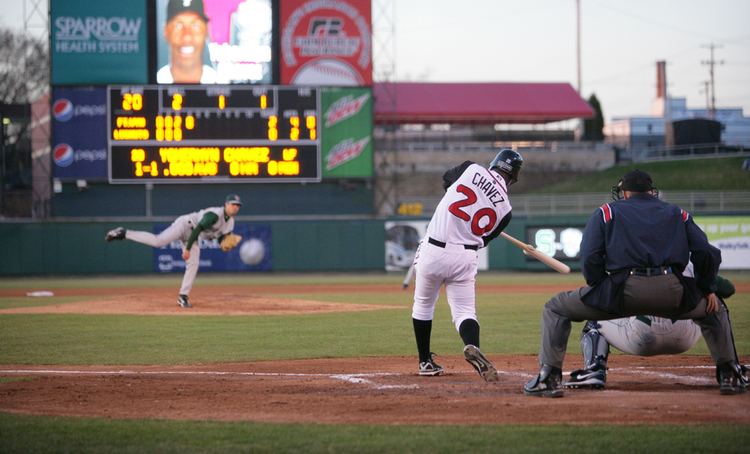
Imagine stepping into the batter’s box, the crack of the bat echoing in your ears, the pitcher winding up with a live arm—raw, unpredictable, and brimming with the kind of velocity that makes your knees tremble. Now, picture the same scenario, but this time, the ball isn’t hurled by a human arm. Instead, it’s launched by a mechanical beast, a pitching machine, its rhythmic whirring a stark contrast to the chaos of a real pitcher’s delivery. Which scenario prepares you better for the unforgiving crucible of Major League Baseball? The answer isn’t as straightforward as it seems.
The Illusion of Precision: What Machines Teach (and What They Don’t)
Pitching machines are the metronomes of baseball training. They deliver consistent, repeatable pitches with unerring accuracy, allowing hitters to fine-tune their mechanics against a predictable target. The beauty of a machine lies in its ability to simulate specific pitch types—fastballs, curveballs, sliders—without the fatigue or variability of a human arm. For a hitter working on timing or refining their swing path, this consistency is invaluable. It’s like practicing scales on a piano before attempting a symphony.
Yet, this precision is also its Achilles’ heel. A machine doesn’t tire. It doesn’t change speeds mid-pitch. It doesn’t throw a breaking ball with the deceptive late break that a live pitcher might. The human element—the unpredictability, the psychological warfare, the sheer physicality of facing a 95-mph fastball from a six-foot-five flamethrower—is absent. Hitters who train exclusively against machines risk developing a false sense of security, a reliance on rhythm and repetition that crumbles when faced with the chaos of a real game.
The Live Arm Gambit: Chaos as the Ultimate Teacher
There’s something primal about facing a live arm. The pitcher’s windup, the stutter-step, the sudden explosion of the delivery—each movement is a puzzle, a riddle wrapped in a mystery inside an enigma. The ball doesn’t follow a script. It dances, dives, and sometimes seems to hang in the air like a defiant dare. This unpredictability forces hitters to sharpen their instincts, to read the subtle cues in a pitcher’s grip or release point that hint at the pitch’s trajectory.
But the live arm isn’t just about unpredictability; it’s about pressure. The mental toll of facing a pitcher who’s trying to exploit your weaknesses is a crucible few machines can replicate. A hitter who trains against live arms learns to manage adrenaline, to stay calm under fire, to trust their preparation when the game is on the line. The best hitters in MLB history—from Ted Williams to Mike Trout—have thrived because they mastered the art of adapting mid-at-bat, a skill honed not against machines, but against the relentless, ever-changing challenge of human opponents.
The Hybrid Approach: Marrying Machine Precision with Live Arm Chaos
The most effective training regimens don’t pit machines against live arms in a battle of absolutes. Instead, they blend the two, leveraging the strengths of each while mitigating their weaknesses. A hitter might spend the morning refining their swing mechanics against a pitching machine, grooving their muscle memory with perfect repetition. Then, in the afternoon, they step into the batter’s box against a live pitcher, testing their skills against the unpredictable.
This hybrid approach ensures that hitters develop both the technical precision and the adaptive instincts required to excel in MLB. It’s the difference between practicing scales and performing a concerto. Machines teach the fundamentals; live arms teach the artistry. Together, they create a well-rounded hitter who can adjust to any challenge, whether it’s a 100-mph fastball or a deceptive changeup that seems to vanish into the catcher’s mitt.
The Psychological Edge: Confidence vs. Overconfidence
Confidence is the currency of baseball. A hitter who steps into the box believing they can do damage is already halfway to success. Machines can build confidence by providing a steady stream of strikes, allowing hitters to rack up hits in practice. But confidence without humility is a dangerous thing. A hitter who only trains against machines may develop overconfidence, a belief that they can time any pitch, read any break. Then, when they face a live arm with the velocity and movement to expose their flaws, the illusion shatters.
Live arms, on the other hand, instill a healthy dose of humility. They remind hitters that baseball is a game of inches, where a millisecond of mistiming can turn a line drive into a harmless grounder. This humility breeds adaptability. It forces hitters to question their approach, to adjust their timing, to find new ways to succeed. The best hitters aren’t those who rely solely on confidence; they’re the ones who temper it with the knowledge that the game is always one step ahead.
The Velocity Paradox: Machines vs. Live Arms in the Modern Game
In today’s MLB, velocity is king. Pitchers are throwing harder than ever, with average fastball speeds topping 94 mph. Facing a machine that tops out at 90 mph might leave a hitter woefully unprepared for the sheer heat of a live arm. The difference isn’t just in speed; it’s in the way the ball moves. A live arm can generate late movement on a fastball or a slider, making the pitch appear to “rise” or “fall” at the last second. Machines, no matter how advanced, struggle to replicate this nuance.
Yet, velocity isn’t the only factor. A hitter who trains exclusively against live arms might struggle to adjust to the mechanical precision of a machine during a game. The timing is different. The pitch recognition is different. The mental approach is different. The modern hitter must be a chameleon, able to switch between the controlled environment of a machine and the chaotic theater of a live game without missing a beat.
The Long Game: Building a Hitter for the Long Haul
Baseball is a marathon, not a sprint. The hitters who endure—who thrive in the late innings, who adjust to new pitching trends, who maintain their performance over 162 games—are the ones who’ve mastered the balance between machine precision and live arm chaos. They understand that baseball isn’t just about hitting a ball; it’s about outthinking, out-adapting, and outlasting the opposition.
So, which is better? The answer, as with most things in baseball, is that it depends. Machines are tools, and like any tool, their value lies in how they’re used. A hitter who relies solely on one or the other is like a carpenter with only a hammer—limited by their lack of versatility. But a hitter who wields both with skill? That’s a player who’s ready for anything the game throws at them.