The intricacies of baseball hinge on an athlete’s ability to generate explosive rotational power. Whether batting, pitching, or fielding, the core serves as the nexus of kinetic energy transfer throughout the body. For Major League Baseball (MLB) players and rotational athletes alike, cultivating a resilient and responsive core isn’t just beneficial—it’s essential. This article delves into the indispensable core exercises tailored specifically for rotational athletes, illuminating the techniques that underpin elite performance in baseball.
The Importance of the Core in Rotational Sports
A strong core transcends the conventional notion of mere abdominal muscles. In rotational sports such as baseball, the core constitutes a complex ensemble of muscles that stabilize the spine, facilitate dynamic rotation, and efficiently transmit force from the lower body to the upper body. This intricate interplay enhances bat speed, pitching velocity, and defensive agility. Neglecting core conditioning can lead to energy leaks, reduced power output, and heightened injury risk, particularly in the lumbar region and obliques.
Understanding Rotational Mechanics in Baseball
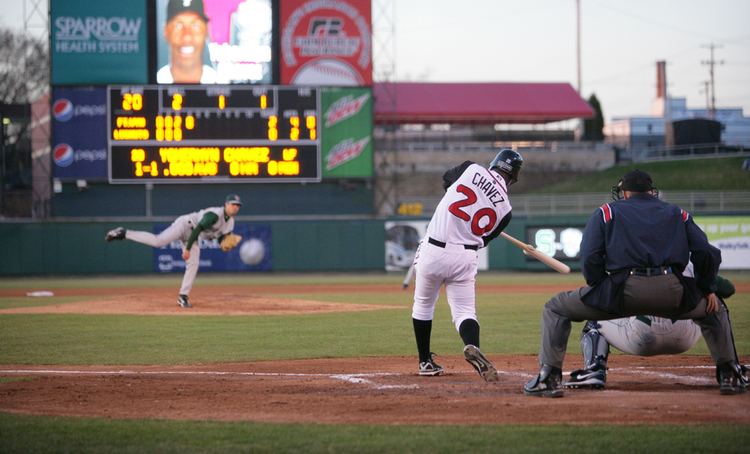
Rotational athletes perform movements characterized by multi-planar forces and rapid torque generation. The baseball swing exemplifies this, requiring coordinated pelvic rotation, core engagement, and trunk flexion to maximize bat velocity. Similarly, pitchers employ a kinetic chain that begins with leg drive, progresses through core rotation, and culminates in an explosive arm action. Efficient mechanics hinge on a core that resists unwanted motion while enabling powerful rotation—underscoring the need for targeted training regimens.
Dynamic Warm-Ups: Preparing the Core for Rotational Demands
Before engaging in intensive core training or on-field drills, dynamic warm-ups are paramount. Exercises such as torso twists, standing trunk rotations with a band, and controlled medicine ball slams activate the neuromuscular pathways essential for rotation. These warm-ups increase blood flow to core muscles, enhance flexibility, and prime the central nervous system for the swift, coordinated actions demanded by baseball.
Rotational Core Exercises: Building Power and Stability
Rotational core exercises uniquely target the muscles involved in twisting and stabilizing the torso. One exemplary exercise is the Russian Twist, performed by sitting with legs elevated and twisting the torso to alternately tap the floor on each side while holding a weighted ball. This movement challenges the obliques and transverse abdominis to sustain strong, controlled rotation.
Another sophisticated technique is the Cable Woodchopper. Utilizing a cable machine, athletes mimic a chopping motion that originates from the hips, driving through the core with controlled rotation. This exercise not only builds strength but also refines the motor patterns critical for the baseball swing and throwing mechanics.
Additionally, medicine ball rotational throws cultivate explosive power by encouraging maximal velocity in trunk rotation. Athletes stand perpendicular to a wall or partner and launch the weighted ball with a dynamic twist, simulating game-like force production. This plyometric component enhances neural drive and muscular coordination.
Anti-Rotational Core Exercises: Enhancing Stability Under Load
While rotational strength is vital, an equally important but often overlooked aspect is anti-rotation. Anti-rotational exercises train the core to resist unwanted twisting forces, fostering stability during rapid, powerful movements. The Pallof Press is a quintessential example, involving pressing a band or cable straight out from the chest while preventing torso rotation. This helps stabilize the spine and improves force transfer efficiency.
Planks with arm or leg variations also promote anti-rotational control, compelling the core to maintain a neutral, stable position amid limb movement. This foundational stability prevents energy dissipation and shields against spinal injuries occasioned by repetitive rotational stress.
Integrating Functional Movements for Baseball Specificity
Beyond isolated core exercises, integrating functional, sport-specific movements elevates training efficacy. Rotational athletes benefit from compound drills that combine footwork, trunk rotation, and upper body action. Exercises like the rotational lunge with a medicine ball or cable rotations performed from an athletic stance replicate on-field biomechanics, enhancing neuromuscular synergy.
This blend of strength, power, and coordination training ensures transferability from gym to diamond. Functional core conditioning aligns strength acquisition with the movement patterns intrinsic to pitching, batting, and defensive maneuvers.
Periodization and Recovery: Sustaining Core Performance
Optimizing core development requires sophisticated periodization strategies. Training cycles should oscillate between phases emphasizing hypertrophy, power, and maintenance to avoid plateaus and mitigate injury risks. Incorporating rest days and active recovery methods—such as myofascial release and mobility drills—promotes tissue resilience and facilitates consistent performance.
Moreover, gradual progression in exercise complexity and load ensures the core adapts without being overwhelmed, fostering long-term durability for the rotational demands of an MLB season.
Common Mistakes and How to Avoid Them
Rotational athletes often err by focusing exclusively on crunches or flexion-based core exercises, neglecting the multidimensional nature of core function. Additionally, substituting improper form for heavier loads can exacerbate injury risk, particularly in the lumbar spine. Maintaining controlled, deliberate movement and emphasizing quality over quantity is critical.
Another prevalent mistake is insufficient engagement of the glutes and hips during rotational training. The core does not operate in isolation; comprehensive training integrates these muscle groups to maximize force transmission and joint protection.
Tracking Progress and Measuring Effectiveness
Quantifiable results from core training can be challenging to observe directly. However, rotational athletes can monitor improvements through enhanced bat speed, increased pitching velocity, and improved on-field agility metrics. Video analysis and biomechanical assessments provide valuable feedback on movement quality and core engagement.
Regular functional testing, such as medicine ball throw distances or isometric hold durations during anti-rotational exercises, offers tangible benchmarks to tailor training programs and ensure continuous advancement.
Conclusion: Cultivating a Core Foundation for Excellence
In the sphere of baseball and rotational sports, the core functions as the powerhouse of performance. A meticulously structured training regimen that balances rotational strength with anti-rotational stability can transform athletic capability. By embracing dynamic warm-ups, targeted core exercises, and functional integration, rotational athletes forge the muscular and neurological foundation essential for peak MLB performance and injury resilience.
Commitment to this holistic approach unlocks latent power, refines biomechanical efficiency, and fosters longevity in the demanding landscape of professional baseball.