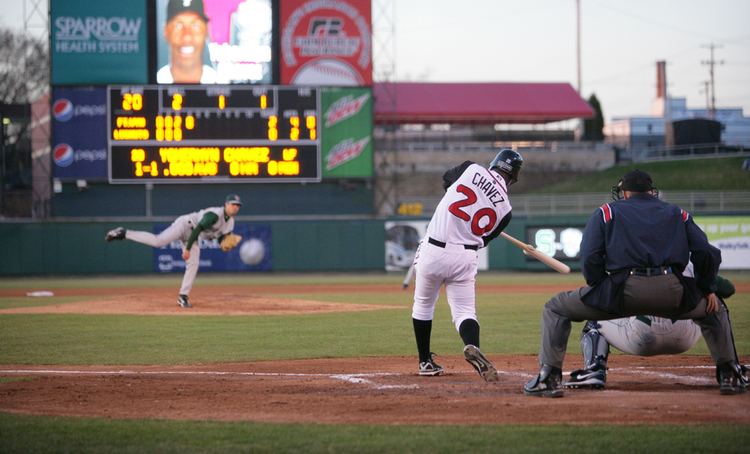
The crack of the bat is a symphony’s crescendo—a fleeting moment where physics and instinct collide in a burst of velocity and precision. Yet, within that split second of contact, a subtle ballet unfolds between the batter’s hands and the ball’s trajectory. The “palm up/palm down” check at contact isn’t just a mechanical quirk; it’s the silent choreographer of power, the unseen thread weaving together the artistry of hitting and the brutality of exit velocity. To the untrained eye, it’s a flicker of wrist rotation. To the connoisseur, it’s the difference between a lazy flyout and a 450-foot moon shot.
The Geometry of a Swing: Where Physics Meets Poetry
Every swing begins with geometry. The batter’s stance, the load, the stride—all are mere preludes to the grand finale: contact. Here, the “palm up/palm down” check emerges as the Rosetta Stone of bat control. When the top hand’s palm faces upward at contact, the barrel whips through the zone with surgical efficiency, maximizing the sweet spot’s dwell time. Conversely, a palm-down orientation from the bottom hand stabilizes the bat, preventing the dreaded “casting” that saps power. It’s a yin-yang of leverage, where one hand’s rotation counterbalances the other’s resistance.
Consider the physics: torque is the engine of exit velocity, and torque demands rotational force. A palm-up top hand at contact acts like a slingshot, storing elastic energy that uncoils milliseconds later. The bottom hand, palm down, serves as the anchor, ensuring the bat’s path remains linear long enough to transfer that energy into the ball. Together, they form a biomechanical seesaw—one side rising as the other falls, yet both working in unison to defy gravity and physics.
The Illusion of Effortlessness: Mastery in Minimalism
Great hitters make the impossible look pedestrian. A 95-mph fastball arrives in 0.4 seconds, yet the batter’s hands adjust in half that time. The “palm up/palm down” check is the ultimate sleight of hand—a deception where complexity masquerades as simplicity. Watch Mike Trout or Aaron Judge at work, and you’ll see it: their hands seem to glide through the zone, as if the bat were an extension of their own limbs. This is no accident. It’s the result of thousands of reps, where muscle memory has internalized the subtleties of wrist rotation.
Yet, this mastery is fragile. A slight misalignment—a palm that’s *almost* up, a bottom hand that’s *barely* down—and the swing’s efficiency crumbles. The ball might still find the bat, but the result is a weak grounder or a topped liner. The beauty of the check lies in its precision: it’s the difference between a swing that *feels* effortless and one that betrays the hitter’s intent.
The Language of the Hands: Communicating with the Ball
Baseball is a game of communication, and the hands speak the loudest. The “palm up/palm down” check is their dialect. When the top hand’s palm turns skyward at contact, it’s a signal to the ball: *I am giving you everything I have.* The barrel’s path is optimized for maximum backspin, aiding lift and distance. Meanwhile, the bottom hand’s palm-down orientation acts as a rudder, steering the bat through the zone with minimal drag.
This communication isn’t just physical—it’s psychological. A hitter who trusts their hands to make these micro-adjustments gains a psychological edge. They no longer fear the high fastball or the inside slider, because they know their grip and rotation will compensate. It’s the mental equivalent of a chess grandmaster seeing five moves ahead; the batter anticipates the pitch’s movement before it’s even thrown.
The Anatomy of a Power Swing: From Load to Launch
To fully grasp the “palm up/palm down” check, we must dissect the swing’s lifecycle. It begins in the load, where the hands coil like a spring. As the pitch approaches, the stride foot plants, and the hands begin their descent. Here, the top hand’s palm may start neutral or slightly down, while the bottom hand’s palm faces outward, preparing for rotation.
At the point of no return—the stride foot lands and the hands begin their upward path—the top hand’s palm begins to turn upward. This is the moment of truth. If the rotation is too early, the bat casts, losing leverage. If it’s too late, the hands get jammed, and the ball is hit to the pull side. The bottom hand’s palm, meanwhile, rotates downward, stabilizing the bat’s path. By contact, the hands have completed their silent conversation, and the ball is sent on its journey.
The exit velocity is the tangible result, but the real magic is in the transition. A smooth, synchronized palm-up/palm-down check ensures that the bat’s barrel arrives at the optimal angle, with the sweet spot square to the ball. It’s the difference between a swing that *feels* late and one that *is* perfect.
The Psychological Edge: Confidence in the Check
Baseball is as much mental as it is physical. The “palm up/palm down” check isn’t just a mechanical tool; it’s a psychological crutch. When a hitter knows their hands are aligned correctly at contact, they approach the plate with a quiet confidence. They don’t overthink. They don’t tense up. They trust their training.
This confidence is contagious. Teammates see it. Pitchers feel it. Even the umpire senses the inevitability of a well-struck ball. It’s the intangible factor that separates good hitters from great ones. A hitter who has mastered the check doesn’t just react to pitches—they dictate the at-bat’s tempo.
The Evolution of the Check: From Obscurity to Obsession
The “palm up/palm down” check wasn’t always a focal point of hitting instruction. In the dead-ball era, bat control was secondary to contact. But as analytics took hold, the nuances of swing mechanics became paramount. High-speed cameras and motion-capture technology revealed the subtleties of hand rotation, turning a once-overlooked detail into a cornerstone of modern hitting.
Today, every major league team employs biomechanics experts to analyze hand positions. College programs drill the check into their hitters’ muscle memory. Even youth coaches emphasize it, knowing that the habits formed early will shape a player’s ceiling. It’s a testament to the game’s evolution—a blend of art and science where the smallest adjustments yield the biggest dividends.
The Unseen Artistry: Why It Captivates the Connoisseur
To the casual fan, baseball is a game of home runs and strikeouts, of fastballs and curveballs. But to the initiated, it’s a ballet of mechanics and intuition. The “palm up/palm down” check is the hidden gem of this ballet—a detail so subtle that it’s easy to miss, yet so vital that its absence is glaring.
It’s the reason why some hitters seem to make the game look effortless, while others labor with mechanical flaws. It’s the difference between a swing that sings and one that stumbles. And in a sport where milliseconds dictate outcomes, it’s the silent architect of greatness.
So the next time you watch a hitter drive a ball into the upper deck, look closely at their hands at contact. You might not see the palm up or the palm down—but you’ll feel the difference. That’s the magic of the check.