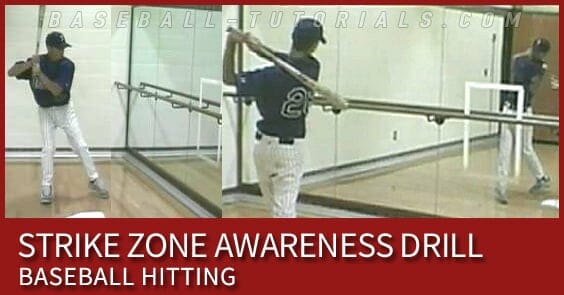
In the intricate dance between pitcher and batter, precision is everything. The strike zone—an invisible battleground no wider than home plate and stretching from the knees to the letters—is where games are won or lost. For hitters, mastering this zone isn’t just about reacting; it’s about anticipation, discipline, and self-awareness. Enter the “Strike Zone Awareness” drill, a meticulously designed exercise that transforms passive observation into active engagement. This drill doesn’t just sharpen a player’s eye—it forges a sixth sense for pitch recognition, turning guesswork into calculated aggression. Whether you’re a Little Leaguer grappling with the basics or a seasoned pro refining your approach, this training method offers a pathway to consistency, confidence, and competitive dominance.
The Anatomy of the Strike Zone: More Than Meets the Eye
The strike zone is often depicted as a static rectangle, but in reality, it’s a dynamic, three-dimensional space that shifts with each pitch, each batter’s stance, and even the umpire’s interpretation. A low fastball might graze the black but still be called a strike, while a high curveball could hang in the zone yet be ruled a ball. The drill begins by dissecting this ambiguity. Players must internalize the zone’s boundaries—not just the textbook dimensions, but the subtle variations that occur in live game scenarios. Coaches often use visual aids, like overlaying strike zone templates on video footage, to highlight how umpires’ perceptions differ from the rulebook ideal. This foundational understanding is the bedrock upon which the drill builds.
Why Self-Calling Balls and Strikes is a Game-Changer
Traditional batting practice often leaves hitters passive, waiting for the coach to signal whether a pitch was a ball or strike. The “Strike Zone Awareness” drill flips this script. By forcing players to call their own pitches, they develop an acute sense of pitch location relative to their personal strike zone. This active participation rewires the brain’s pattern recognition, turning subconscious reactions into deliberate decisions. Studies in sports psychology suggest that self-assessment drills like this enhance proprioception—the body’s ability to sense movement and position—critical for timing and swing adjustments. The drill also instills accountability; a hitter who consistently miscalls pitches quickly learns to trust their instincts, a trait that separates good hitters from great ones.
Equipment and Setup: Crafting the Perfect Training Environment
No two training sessions are identical, but the most effective implementations of this drill share common elements. A tee or soft-toss machine serves as the pitch delivery system, allowing for controlled repetition. The key is variability: mix fastballs, curveballs, and changeups to simulate real-game unpredictability. Some coaches incorporate a “zone grid” on the backstop—a chalk or painted outline of the strike zone—to provide immediate visual feedback. Others use technology, like high-speed cameras or pitch-tracking apps, to overlay strike zone data in post-session reviews. The equipment isn’t just tools; it’s a feedback loop, ensuring that each swing is informed by measurable data.
The Mental Game: Turning Discipline into Instinct
Baseball is as much a mental sport as it is physical, and the “Strike Zone Awareness” drill is a masterclass in cognitive training. Hitters must resist the urge to swing at borderline pitches, a discipline that often feels counterintuitive in the heat of competition. The drill teaches patience by forcing players to wait until a pitch is definitively in the zone before committing. Over time, this mental fortitude translates to game situations, where a well-disciplined swing can draw a walk or set up a favorable count. Coaches often pair this with visualization exercises, where players mentally rehearse pitch sequences before stepping into the batter’s box. The result? A hitter who doesn’t just react to pitches but dictates the at-bat’s rhythm.
Progressive Challenges: Scaling the Drill for All Skill Levels
The beauty of this drill lies in its scalability. Beginners might start with a simplified zone—perhaps just the heart of the plate—before expanding to the full strike zone. Intermediate players can introduce timing constraints, like calling pitches within a 10-second window, to sharpen decision-making under pressure. Advanced hitters might incorporate game-like scenarios, such as calling pitches while simulating two-strike counts or full bases. Some coaches even integrate defensive elements, where fielders must react to the hitter’s pitch calls, adding a layer of chaos that mirrors real-game chaos. The progression isn’t linear; it’s a spiral, where each level reinforces the fundamentals while introducing new complexities.
Common Pitfalls and How to Avoid Them
Even the most well-intentioned drills can devolve into bad habits if not monitored closely. One frequent misstep is over-reliance on the tee or machine, which can create a false sense of security. Hitters may begin to anticipate pitches rather than react to them, a habit that crumbles under live pitching. To counter this, coaches should periodically introduce random pitch sequences or incorporate live arms into the drill. Another pitfall is the “zone creep” phenomenon, where players subconsciously adjust their strike zone to favor their strengths. For example, a hitter who struggles with high fastballs might unknowingly shrink their upper-zone boundaries. Video review sessions can help identify and correct these tendencies before they become ingrained.
From Drill to Diamond: Translating Awareness into Game Performance
The ultimate test of any training regimen is its application in real competition. The “Strike Zone Awareness” drill isn’t designed to be a standalone solution but a piece of a larger puzzle. Hitters who’ve honed their zone recognition often report improved pitch selection, reduced swing-and-miss rates, and a heightened ability to work counts in their favor. Some players even develop a pre-pitch routine that mirrors their drill habits, using a quick mental check of the zone before stepping in. The drill’s real magic lies in its ability to bridge the gap between practice and performance, ensuring that the discipline cultivated in training doesn’t vanish when the game’s stakes rise.
Innovative Variations: Keeping the Drill Fresh and Effective
To prevent stagnation, coaches and players should explore creative adaptations of the drill. One variation involves “zone roulette,” where hitters call pitches blindfolded, relying solely on auditory cues from the catcher’s glove or the umpire’s voice. Another approach is the “count simulation” drill, where players call pitches while adhering to specific counts (e.g., calling strikes only on 0-2). For teams, the drill can be turned into a competitive challenge, with hitters earning points for accurate calls or drawing walks in simulated at-bats. These variations not only keep the drill engaging but also force players to think outside the box, fostering adaptability—a trait essential in baseball’s ever-evolving landscape.
Testimonials and Success Stories: Proof in the Performance
The proof of any training method lies in its results, and the “Strike Zone Awareness” drill has garnered praise from players at all levels. Minor leaguers have credited the drill with improving their plate discipline, leading to higher on-base percentages and more RBI opportunities. College players report fewer called strikes and a better understanding of umpire tendencies. Even professional hitters, like those in the MLB, have integrated zone awareness drills into their offseason routines, citing improvements in pitch recognition and swing quality. These success stories aren’t just anecdotal; they’re a testament to the drill’s ability to create tangible, measurable progress.
The Future of Zone Training: Technology and Beyond
As baseball continues to embrace data and analytics, the “Strike Zone Awareness” drill is evolving alongside it. Wearable technology, such as smart batting gloves or chest sensors, can now track a hitter’s swing path in real time, providing instant feedback on whether a pitch was truly in the zone. Virtual reality (VR) training platforms allow players to face simulated pitchers in a controlled environment, further refining their pitch recognition skills. These advancements don’t replace the drill’s core principles but amplify them, offering deeper insights and more personalized training. The future of zone training lies in the intersection of tradition and innovation, where time-tested methods meet cutting-edge technology to create the ultimate hitter’s toolkit.