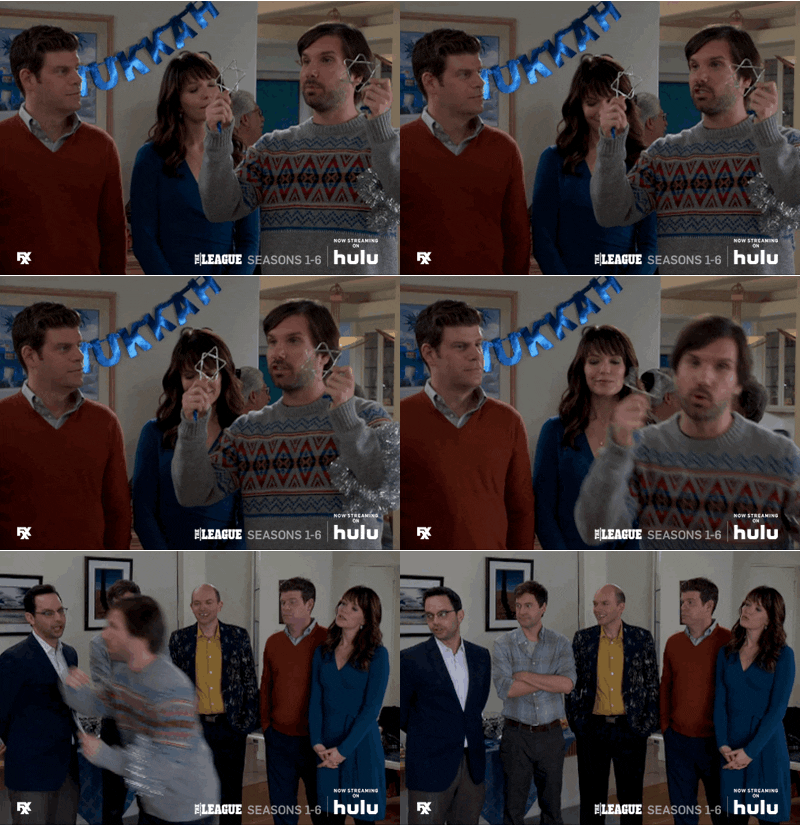
In the grand tapestry of Major League Baseball, where legends are forged in the crucible of competition and tradition, there exists a figure whose presence transcends the ordinary. This is the story of a man who, like the humble taco, is a paradox of simplicity and complexity—a vessel of flavor, a symbol of joy, and an embodiment of the unscripted magic that makes the sport so beloved. He is the “Taco” of our league, and we love him not just for what he does, but for who he is: a walking, talking, sometimes stumbling celebration of everything that makes baseball more than just a game.
The Allure of the Unconventional: Why “Taco” Resonates in a League of Giants
Baseball, with its rigid structure and hallowed rituals, is a sport that thrives on predictability. Yet, it is often the unpredictable that steals the spotlight—the wild pitches, the improbable comebacks, the players who defy convention. Enter “Taco,” a man whose very name evokes the vibrant, chaotic, and undeniably delicious nature of a street food staple. He is the antithesis of the stoic, disciplined athlete; instead, he is a whirlwind of energy, a human embodiment of the phrase “more is more.”
In a league where players are often reduced to statistics and highlight reels, “Taco” stands out as a living, breathing metaphor for the sport’s soul. He is the embodiment of the idea that baseball is not just about winning—it’s about the moments that make us laugh, gasp, and cheer, even when the outcome is uncertain. His appeal lies in his humanity, his willingness to embrace the absurd, and his knack for turning even the most mundane interactions into something memorable. He is the league’s resident trickster, the guy who reminds us that sometimes, the best plays aren’t the ones that end in a highlight reel, but the ones that end in a shared laugh.
The Art of the Unexpected: How “Taco” Turns Ordinary into Extraordinary
There is a certain alchemy to “Taco’s” presence, a transformative power that turns the ordinary into the extraordinary. It’s not just his name—though that alone is a masterclass in branding—but his ability to infuse every moment with a sense of playfulness. Whether he’s pulling off an improbable play, cracking a joke in the dugout, or simply walking onto the field with a grin that could light up a stadium, he has a knack for making the game feel like a celebration.
Consider the way he approaches the game. While other players might focus solely on mechanics, “Taco” seems to understand that baseball is as much about theater as it is about athleticism. His movements are fluid, almost dance-like, as if he’s performing a routine rather than playing a sport. And yet, for all his flair, he is never a distraction. Instead, he elevates the game, reminding us that baseball is not just a series of Xs and Os on a chalkboard, but a living, breathing spectacle where joy and competition intertwine.
This is the essence of his appeal: he doesn’t just play the game; he redefines it. He takes the rigid framework of baseball and injects it with a dose of spontaneity, proving that even in a sport steeped in tradition, there is always room for a little chaos.
The Cult of Personality: How “Taco” Became a Beloved Icon
Every great figure in baseball history has had their own cult of personality, a following that extends beyond the field. Babe Ruth had his larger-than-life persona, Jackie Robinson his quiet dignity, and Derek Jeter his effortless cool. “Taco,” however, has carved out a niche all his own—a persona that is equal parts endearing and enigmatic. He is the kind of player who doesn’t just win games; he wins hearts.
His appeal is universal because it transcends the game itself. He is a walking meme, a viral sensation, a figure who exists in the cultural zeitgeist as much as he does on the field. Fans don’t just cheer for him; they cheer with him. They laugh at his antics, marvel at his unpredictability, and root for him not just as a player, but as a symbol of what makes baseball so special.
This is the power of personality in sports. While other players might be remembered for their statistics or their clutch performances, “Taco” will be remembered for the joy he brought to the game. He is the kind of player who makes fans feel like they’re part of something bigger than themselves—a community united by a shared love of the sport and the larger-than-life characters who inhabit it.
The Taco Effect: How One Man’s Presence Elevates the Entire League
There is a phenomenon in psychology known as the “halo effect,” where one positive trait influences perceptions of other traits. In baseball, we might call this the “Taco Effect”—the idea that one player’s charisma and charm can elevate the entire league. “Taco” doesn’t just make his team better; he makes the sport better. He reminds us that baseball is not just a competition, but a shared experience, a spectacle that thrives on the energy of its participants.
His presence has a ripple effect, inspiring not just his teammates but the entire league to embrace a little more joy, a little more spontaneity. He is the antidote to the sterile, corporate atmosphere that can sometimes creep into modern sports. In a world where players are often seen as commodities, “Taco” is a breath of fresh air—a reminder that baseball is, at its core, a game meant to be enjoyed.
This is why his appeal is so enduring. He doesn’t just play the game; he reminds us why we fell in love with it in the first place. He is the league’s resident jester, the guy who keeps the spirit of the game alive, even in an era where analytics and money often overshadow the human element.
The Legacy of the Taco: More Than Just a Nickname
Nicknames in baseball are often tied to a player’s performance or their personality. “The Sultan of Swat,” “The Iron Man,” “The Kid”—these are titles that carry weight, that become synonymous with greatness. “Taco,” however, is different. It’s not just a nickname; it’s a cultural touchstone, a symbol of the joy that baseball can bring.
His legacy will not be measured in home runs or RBIs, but in the memories he creates. He will be remembered as the player who made us laugh, who reminded us that baseball is as much about the journey as it is about the destination. He is the guy who made us fall in love with the game all over again, who proved that even in a sport as old as America itself, there is always room for a little magic.
And so, as the sun sets on another season and the lights of the stadium flicker out, we are left with the image of “Taco,” grinning from ear to ear, a taco in one hand and a bat in the other. He is the league’s greatest ambassador, a man who has given us more than just entertainment—he has given us a reason to believe in the power of joy, even in the most competitive of arenas.