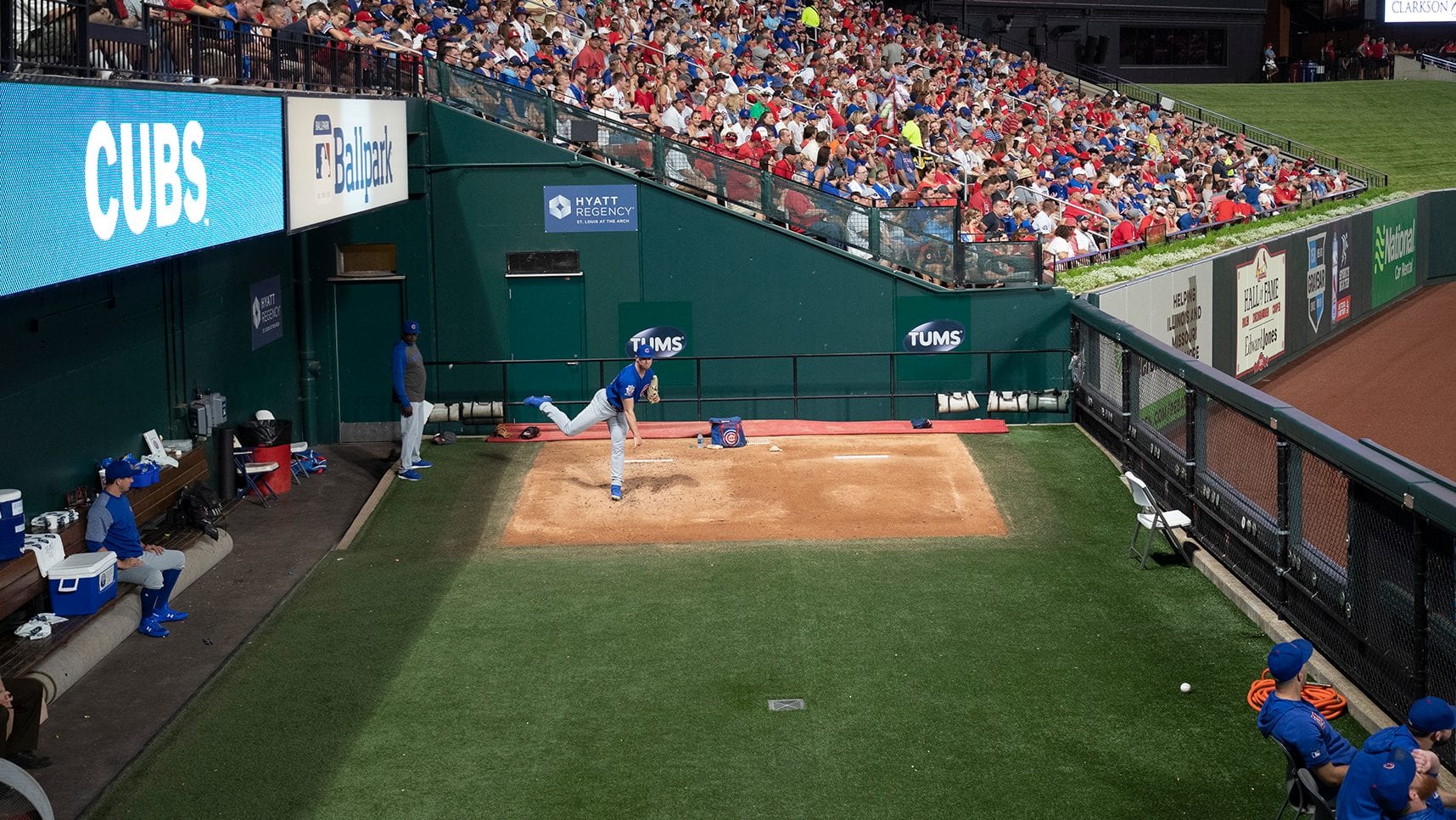
In the labyrinthine world of Major League Baseball, the bullpen routine is a crucible where preparation transcends mere physical readiness. It is an intricate ballet of precision and patience, a mental forge where pitchers not only get loose but systematically sharpen their craft to an acute edge. The bullpen is often romanticized as the place where relievers warm up; however, the truth runs deeper—this routine is a nuanced odyssey, vital to maintaining the razor-sharp focus and mechanical consistency that define elite pitching performances.
The Bullpen: More Than a Waiting Room
To the untrained eye, the bullpen might appear as a transient space, a mere ante-chamber where pitchers idle before taking the mound. Yet, it is far more than a passive environment. The bullpen functions as a sanctum for recalibration—a place where pitchers engage in an elaborate prelude to battle. Each motion is deliberate, each throw laden with intention. Like a sculptor chiseling marble, pitchers refine their mechanics, observe subtle adjustments, and attune their minds to anticipate the heat of competition.
This dynamic environment demands a unique psychological resilience. Unlike starters, who experience a predictable rhythm with several days of rest, relievers must plunge into intense activity with scant notice, sometimes multiple times within a week. The bullpen routine thus becomes a mental anchor, a ritualistic process that stabilizes chaos into controlled readiness.
Physical Priming: The Art of Controlled Cadence
The essence of the bullpen walk-through is physical priming. Rather than indiscriminately throwing as hard as possible, pitchers orchestrate a measured cadence designed to awaken muscle memory and optimize kinetic sequencing. This is not a mere warm-up, but an exacting protocol that melds strength, flexibility, and precision.
Pitchers begin with a series of long tosses, gradually escalating velocity and intensity. Each pitch hones chest, arm, and lower body synchronization. The stride, hip rotation, and release point are scrutinized, often with subtle tweaks informed by real-time feedback or video analysis accessible through modern technology. Minute mechanical nuances—offset by a degree of elbow tilt or wrist flex—can spell the difference between a devastating slider and a wayward pitch.
The bullpen is a laboratory where these variables are tested and optimized. Additionally, many pitchers complement throwing routines with targeted exercises aimed at stabilizing the rotator cuff and strengthening core musculature. This comprehensive conditioning fortifies pitchers against the rigors of repetitive stress and mitigates injury risk.
The Psychological Terrain: Rituals that Fortify Focus
While the physical component is paramount, the psychological architecture of the bullpen routine is equally critical. The mind of a reliever oscillates between anticipation and pressure, with milliseconds to access a mindset that yields confidence and calm. Rituals become sacrosanct—whether it’s a certain way of donning the glove, a routine set of breathing exercises, or the mental visualization of upcoming batter sequences.
Pitchers leverage these rituals as navigational stars, casting out distractions and immersing themselves in the immediacy of the moment. The bullpen routine allows for a mental rehearsal that parallels physical preparation—a simulation where pitchers “see” the pitcher-batter duel unfold, rehearsing grimaces of concentration, release cues, and situational tactics. This meditative process is indispensable, cultivating a balance between relaxation and aggressive engagement.
Communication and Strategy: The Quiet Conversations
The bullpen is also a hub of tacit communication and strategic collaboration. Beyond individual preparation, relievers often exchange insights about hitters, pitch sequences, and game contexts with catchers and coaches. These quiet conversations inform adjustments in approach, pitch selection, and pacing.
Moreover, in high-leverage situations, timing within the bullpen routine becomes a chess match of anticipation—knowing when to intensify throwing effort and when to conserve energy is pivotal. The manager’s signals and the scoreboard subtly influence the bullpen’s tempo, weaving a complex dance of readiness without premature exhaustion.
Mechanical Refinement Under Pressure
Unlike starting pitchers, who engage in bullpen sessions primarily between starts, relievers must be adept at transforming short bursts of preparation into maximal performance, often on a moment’s notice. This requires not only a mastery of fundamentals but also the ability to fine-tune mechanics under pressure.
The bullpen routine offers a contained setting where refinements can be rehearsed repetitively, isolating specific aspects such as grip adjustment, release angle, or balance. This micro-analysis becomes crucial when a pitcher faces opposing lineups multiple times over a series or adjusts for different environmental factors like wind or altitude.
Furthermore, the bullpen is where pitchers experiment with changes—introducing a new pitch or tweaking arm slot—without the high stakes of immediate game action. This iterative process of trial and error is essential for continuous growth and adaptability.
Physical and Mental Recovery: The Intertwined Pathways
Following the exertions of a game appearance or a bullpen session, pitchers turn to a suite of recovery tools embedded within their routine. The bullpen experience extends beyond warm-up—it marks the starting point of recuperation.
Ice therapy, light stretching, and hydration protocols are seamlessly integrated into post-throw routines, accelerating muscular recovery. On the mental front, journaling, mindfulness meditation, and team discussions provide a decompressive counterbalance to the intense focus required before and during game action.
This dual approach underscores the symbiotic relationship between physical and psychological restoration—a harmony critical for sustained performance throughout the grueling MLB season.
The Unique Appeal: A Microcosm of Mastery
The bullpen routine is an exquisite microcosm within baseball’s grand theater. It captures the essence of athletic mastery where grit intersects with grace. Unlike batting slumps or defensive breakdowns, bullpen rituals are intensely personal yet universally understood across the sport, a shared lexicon of preparation that resonates with players and aficionados alike.
There exists a captivating tension in the bullpen—between solitude and teamwork, anticipation and execution, tension and release. This tension is the engine that transforms routine into ritual and readiness into excellence. In this space, failure is tempered by repetition, and success is forged not just in the arena of competition but in the crucible of preparation.
Ultimately, the bullpen routine epitomizes the profound truth of baseball: greatness is an accumulation of deliberate acts, each throw a thread in a tapestry woven with discipline, intuition, and relentless pursuit of improvement.