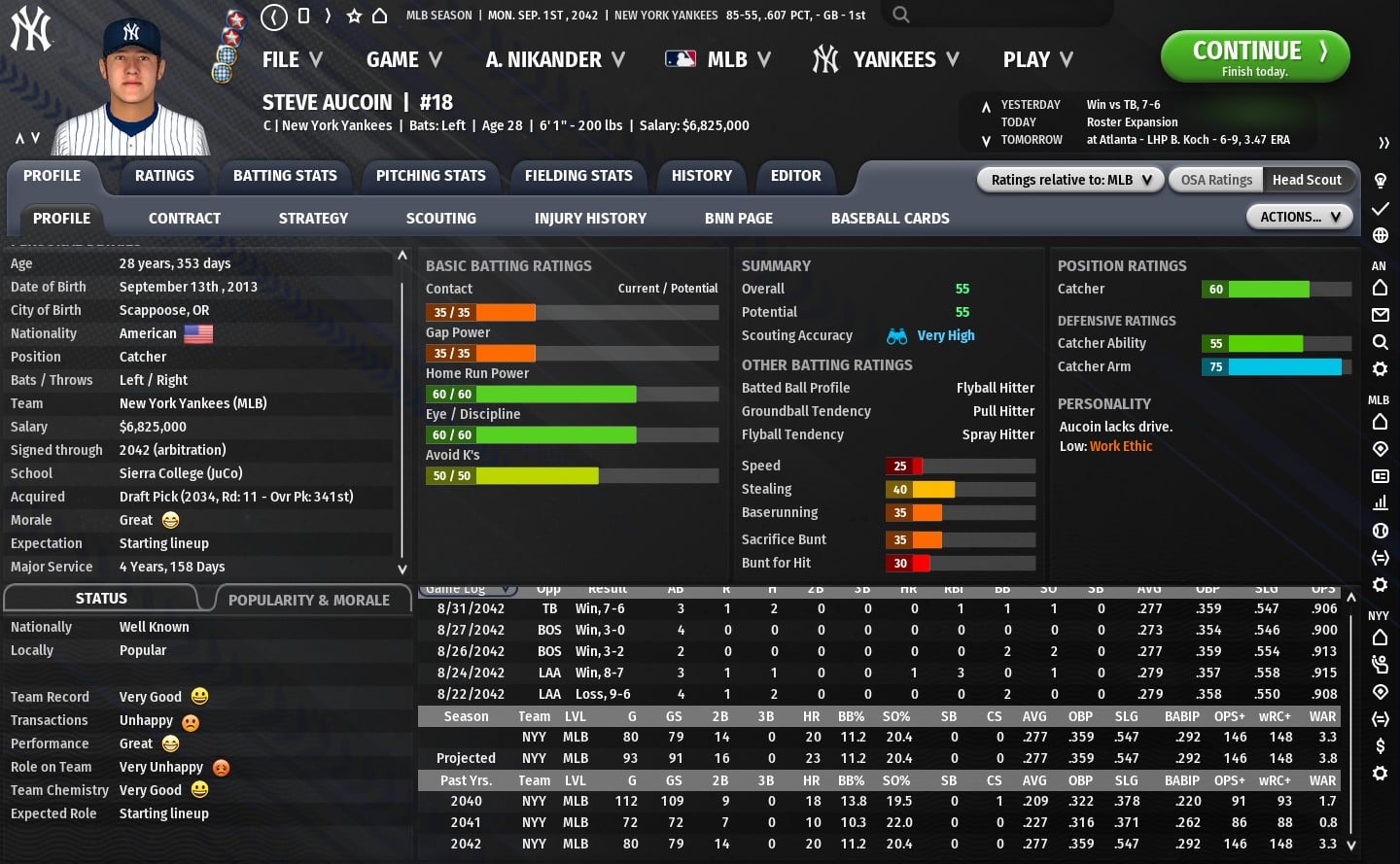
Imagine a scenario where the cleanup spot—the pivotal fourth batter in a baseball lineup—is occupied not by a typical slugger or feared power hitter but by a catcher, a position traditionally lauded for defense and game-calling rather than consistent offensive firepower. Now, add to this an intriguing twist: this catcher is owned in just 1% of fantasy leagues. Such an extraordinary circumstance beckons a compelling question: Could this obscure diamond in the rough be the linchpin your lineup desperately needs, or is this too good to be true? The paradox of an offensively dominant catcher who remains a hidden gem presents both opportunity and challenge worth delving into.
The Traditional Role of the Catcher: Defense First, Offense Optional
Catchers have long been the custodians of the game, anchoring the defense and orchestrating strategy behind the plate. Historically, the role demands intense physicality, durability, and acute mental acuity—qualities that often come at the expense of offensive production. Teams have tended to tolerate subpar batting as long as the catcher excelled in framing pitches, managing pitchers, and controlling the running game.
Offensively, catchers generally occupy lower spots in the batting order, often seventh or eighth, reflecting their comparatively diminished run-scoring expectations. Cleanup hitters, conversely, are expected to drive in runs, clear the bases, and shoulder the offensive burden. To envision a catcher stepping into that exalted cleanup role upends traditional baseball wisdom—and invites examination of how the sport has evolved and which exceptional talents defy convention.
The Emergence of the Offensive Catcher Phenomenon
Over recent decades, baseball has witnessed a gradual shift toward multifaceted player profiles, characterized by athletes who excel in previously compartmentalized roles. Catchers with significant offensive prowess—Mike Piazza, Ivan Rodriguez, Joe Mauer—have exemplified this evolution. However, few have sustained the kind of power and run-producing consistency typical of cleanup hitters.
More recently, this narrative appears to be changing. Advanced training, nutrition, and analytics have enabled catchers to optimize their swings and conditioning, allowing some to emerge as offensive threats from behind the plate. Their ability to both handle pitching staffs and anchor potent lineups adds immeasurable value to their clubs, signaling a potentially transformative era for the position.
The Enigma of Limited Ownership: Why is This Catcher Only Owned in 1% of Leagues?
Finding a catcher with cleanup hitter potential would normally trigger a frenzy in fantasy baseball circles. So why would such a player linger in the shadows, owned by a minuscule fraction of managers? Several interrelated factors come into play: market inefficiency, precedent bias, injury concerns, and positional scarcity.
Firstly, traditional biases can blind fantasy owners and even professional evaluators alike. The ingrained notion that catchers are offensive liabilities may delay recognition of emerging talents. Secondly, uncertainty surrounding injury histories—given the physical toll of catching—may dissuade owners from investing high draft capital or roster spots. Thirdly, this player might have been inconsistent or overshadowed by more heralded teammates, thus failing to capture widespread attention despite underlying metrics pointing to breakout potential.
Lastly, roster construction challenges may contribute. Catching slots in fantasy leagues sometimes come with scoring modifiers or scarcity premiums that complicate valuations. Managers might undervalue catchers awaiting a clear connection between their on-field role and reliable offensive output.
The Statistical Case for This Catcher: Beyond Conventional Metrics
Diving deep into the numbers reveals underlying indicators that suggest more than a mere flash in the pan. Traditional stats like batting average or home run totals may not tell the entire story. More advanced analytics—such as weighted runs created plus (wRC+), isolated power (ISO), and exit velocity—paint a comprehensive portrait of a hitter with legitimate cleanup caliber potential.
High exit velocities and hard-hit rates, often harbingers of future power, combined with walk rates indicating plate discipline, show a hitter capable of controlling the strike zone and driving the ball with authority. Moreover, a high percentage of hard contact against varied pitch types and locations verifies adaptability and repeatability—traits essential for sustained success at the cleanup position.
When paired with an opportunity to bat in the heart of the order, these metrics support a compelling narrative that this catcher’s offensive production could escalate, offering substantial value to fantasy teams willing to look beyond the traditional scope.
Challenges and Considerations: Durability, Workload, and Defensive Demands
Despite compelling offensive upside, the feasibility of a catcher handling the rigors of a cleanup role week in and week out demands circumspection. The position inherently requires tremendous stamina and resilience. Long-term wear and tear can sap power and consistency. Teams often moderate catcher workloads to extend career longevity and maintain defensive sharpness.
Balancing offensive aspirations with defensive duties may impose limitations on this player’s ability to reach full offensive potential. Managers, both in real life and fantasy formats, must consider the likelihood of reduced playing time through rest days or injury prevention strategies. Additionally, the mental toll of dual responsibilities—mentoring pitching staffs while maintaining offensive production—can influence performance fluctuations.
Strategic Implications for Fantasy Managers and Team Builders
For fantasy managers, uncovering such a low-owned player with high ceiling entails a calculated risk. The potential reward includes a cost-efficient avenue to secure premier production at one of the most challenging positions to fill. Moreover, this strategy can free up resources to reinforce other areas of the roster.
However, it necessitates diligent monitoring of playing time, health updates, and lineup moves. Portfolio diversification within a team’s catcher slot can provide insurance against volatility. Meanwhile, real MLB team executives might similarly leverage such talent as a foundational piece, maximizing offensive output without compromising defensive integrity.
Ultimately, crafting rosters around this type of player requires a blend of analytical rigor and creative vision—traits hallmark to modern baseball strategy and successful fantasy management.
The Future Outlook: Redefining the Catcher’s Role in Baseball Lineups
As baseball continually evolves, the lines between positional archetypes blur. Players who once fit rigid molds now emerge as hybrids of power, speed, and defensive mastery. The prospect of the catcher hitting cleanup—once a rarity—may become less anomalous and more emblematic of contemporary team-building philosophies.
Developments in technology, biomechanics, and player development promise to refine catcher conditioning and offensive training, reducing historical hurdles. Teams eager to stretch their lineups’ offensive potential will likely consider catcher candidates based on their full skill set, rather than limiting assumptions.
For fans and analysts alike, this heralds an exciting paradigm shift. The affection for the defensive stalwart catching the game’s subtle nuances now intertwines with the thrill of seeing that very player wield a bat capable of changing games in the crucible of the cleanup slot.
In the end, the question persists: will the baseball world fully embrace the catcher who hits cleanup and escapes widespread ownership as the next great underdog story? Or will this anomaly remain a tantalizing curiosity—one that challenges the status quo but never quite overturns it? Only time and keen observation will tell.