For decades, Yankee Stadium stood as a cathedral of baseball, a place where legends were forged and history was written. While countless images and stories exist, much of the Stadium’s true essence, its intricate workings, and its myriad of hidden tales often remain out of the mainstream narrative. Beyond the iconic facade and the celebrated moments, there was a living, breathing entity with secrets only hinted at. This article peels back the layers, offering a glimpse into aspects of the “House That Ruth Built” that even the most ardent fans might not have fully encountered.
1. The Subterranean Labyrinth Beneath the Grandstand
Far beneath the bustling stands and the hallowed turf, Old Yankee Stadium housed a complex network of tunnels and service areas. These dimly lit passages were the arteries of the ballpark, used by groundskeepers, vendors restocking concessions, maintenance crews, and security personnel. It was a utilitarian world, unseen by the average fan, yet essential to the Stadium’s daily operation, a stark contrast to the grandeur above.
2. The Original Copper Facade and Its Transformations
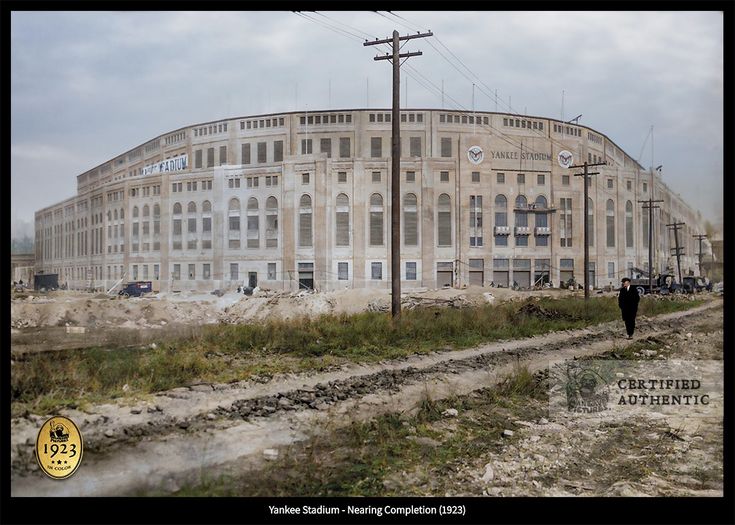
While the recognizable white frieze adorned the upper deck in later years, the Stadium’s original top façade, unveiled in 1923, was a magnificent copper structure. Over time, due to weather and the cost of maintenance, this copper was painted white. Understanding this initial design reveals a different aesthetic vision for the ballpark, one that spoke to the architectural trends of its era and its ambitious scale.
3. The Unsung Heroes of Monument Park’s Upkeep
Monument Park is sacrosanct ground for any Yankees fan, a hallowed space honoring the team’s greatest. What often goes unseen are the meticulous efforts of the grounds crew and specialized conservators who maintained these plaques and monuments. Their dedication ensured that the bronze and granite tributes remained pristine, a silent vigil protecting the legacy of the greats against the elements and time.
4. The Evolution of the Warning Track’s Surface
The warning track, that strip of dirt or cinders separating the outfield grass from the fence, played a crucial role in player safety and the game itself. Over the decades, its composition and width subtly changed. Early versions were rougher, designed purely for tactile warning. Later iterations became more refined, reflecting evolving understanding of player ergonomics and field management.
5. The Intricate Workings of the Manual Scoreboard
Before the advent of digital displays, the massive manual scoreboard in center field was a marvel of human coordination. Teams of operators worked tirelessly behind the scenes, physically placing numbers and names by hand, often in cramped conditions and under pressure to keep up with the game’s rapid pace. This ballet of precision was an essential part of the Stadium experience, a testament to analog efficiency.
6. Behind the Broadcast Booth: The Unseen Preparations
The voices of Yankees baseball — Mel Allen, Phil Rizzuto, John Sterling — became synonymous with the team. Their broadcast booths, perched high above the field, were not merely spaces for commentary but hubs of intense preparation. From pre-game statistical briefings to intricate sound engineering, these booths were control centers where narratives were crafted and the game’s drama was amplified for millions.
7. The Secret Life of the Visiting Team’s Clubhouse
While the Yankees’ clubhouse was a sanctuary of champions, the visiting team’s facilities offered a distinct, often less luxurious, perspective. These spaces, seen by few outside the opposing roster and staff, held their own stories of pre-game nerves, post-game strategizing, and the quiet dignity of defeat or triumph, providing a raw, unvarnished view of professional baseball on the road.
8. The Grandstand’s Hidden Vantage Points and Acoustics
Beyond the prime seats, Old Yankee Stadium possessed numerous vantage points, each with its own unique acoustic properties. From the raucous Bleachers to the distant reaches of the upper deck, the sound of the crowd, the crack of the bat, and the roar of a home run resonated differently. Exploring these spots reveals how the Stadium’s architecture created a mosaic of sensory experiences.
9. The Rigorous Daily Grind of the Grounds Crew
Maintaining the pristine diamond of Yankee Stadium was a monumental task, often starting hours before gates opened and continuing long after the last fan departed. The grounds crew’s tireless efforts involved intricate watering patterns, precise mowing techniques, and constant repairs, ensuring the field was always in championship condition, a silent but crucial contributor to the team’s success.
10. The Evolution of Ballpark Concessions and Vendors
From simple peanuts and Cracker Jack in its early days to a wider array of options in later years, the Stadium’s concession stands tell a culinary history of American baseball. The vendors, traversing the aisles with their distinctive calls, were as much a part of the fabric of the game as the players, providing sustenance and a sense of tradition to generations of fans.
11. The Pre-Game Atmosphere in the Batting Cages
Long before the first pitch, the hidden batting cages beneath the stands or adjacent to the dugout hummed with activity. Here, players fine-tuned their swings, pitchers warmed up, and coaches offered last-minute advice. This private arena, filled with the rhythmic thud of bats hitting balls, was where the raw talent was honed, far from the stadium lights and the roar of the crowd.
12. Security and Fan Management Through Different Eras
The methods of crowd control and security at Yankee Stadium evolved significantly from its opening in the 1920s to its closing in 2008. From uniformed ushers and basic gate checks to sophisticated surveillance and detailed security protocols, these changes reflect not only societal shifts but also the ongoing commitment to ensuring a safe and enjoyable experience for all attendees.
13. The Organist’s Role in Shaping the Fan Experience
The distinct sounds emanating from the ballpark organ were an integral part of the Yankee Stadium experience. From rousing charge calls to whimsical tunes between innings, the stadium organist crafted an auditory landscape that heightened emotions, celebrated victories, and provided a unique soundtrack to the game. Their selections were a subtle, yet powerful, force in shaping the atmosphere.
14. The Unseen Locker Room Culture and Rituals
Beyond the public eye, the Yankees clubhouse was a sanctum of camaraderie, competition, and countless rituals. From pre-game superstitions to post-game celebrations (or somber reflections), the locker room was where the team truly coalesced. These private moments, filled with team meetings, inside jokes, and the quiet preparations of elite athletes, formed the bedrock of the team’s identity.
15. The “Ruppert” and “Ruth” Era Naming Conventions
While commonly known as “The House That Ruth Built,” the Stadium’s initial full name was “Ruppert Stadium,” after owner Jacob Ruppert, and it was quickly renamed “Yankee Stadium.” Understanding these early naming considerations and the immediate shift highlights the immediate iconic status Ruth commanded and the rapid establishment of the “Yankee” brand, even in its nascent stages.
16. The Logistics of Moving Monuments for Renovations
The massive renovations of the 1970s required the temporary relocation of Monument Park and its precious contents. This logistical feat, involving careful planning and execution, ensured that the revered plaques and monuments of Yankee legends were preserved and ultimately returned to their rightful, albeit slightly altered, place, showcasing a deep respect for history.