The symphony of the pitcher’s mound is orchestrated by grips. A slight shift in finger placement, a minute curve in the hand’s alignment, can conjure a pitch from the hand that dances in ways seemingly impossible, a curveball shimmering like a trapped firefly or a slider cutting across the plate with the guile of a thief in the night. It’s perhaps one of baseball’s most profound deceptions: the seamless union of intention and execution, the grip acting as the quiet intermediary through which the pitcher’s will translates into the ball’s defiance. The question lingers: why do these seemingly simple tools command such fascination? It’s not just about the mechanics, though those are undeniably crucial, but about the narrative they weave – a story of subtle control masquerading as magic, where the pitcher, much like an artist holding a brush, translates internal vision into physical movement that baffles and bends the laws of aerodynamics before our very eyes.
Understanding the Foundation: The Key Elements of Pitcher’s Grip
To appreciate the nuances detailed in terms of grip mechanics, we must first understand the fundamental components upon which they are built. Imagine the pitcher’s hand as the core platform. This is the fulcrum around which the entire delivery, the grip specifically, spins. A stable, balanced platform is paramount. Think of it less like a rigid slap and more like a carefully constructed base allowing for precise manipulation. While subtle rotation or tilt based on pitch might occur, an overly weak or wobbly palm foundation introduces chaotic variables into the throw.
Nearby the index finger rears its directive presence, the guiding light that influences the pitch’s life trajectory more than any single element. In many grips, it dictates the initial spin. Where the index finger rests atop the seams or along their length subtly alters the point of contact – think of it as dictating which part of the ball will be the ‘driver’ of movement, imparting topspin, sidespin, or both with varying intensity. The thumb, often overlooked, seals the deal. It provides a crucial counterbalance, ensuring the ball rotates smoothly and predictably from the moment fingers release control, preventing unwanted wobble or unpredictable flight paths mid-air.
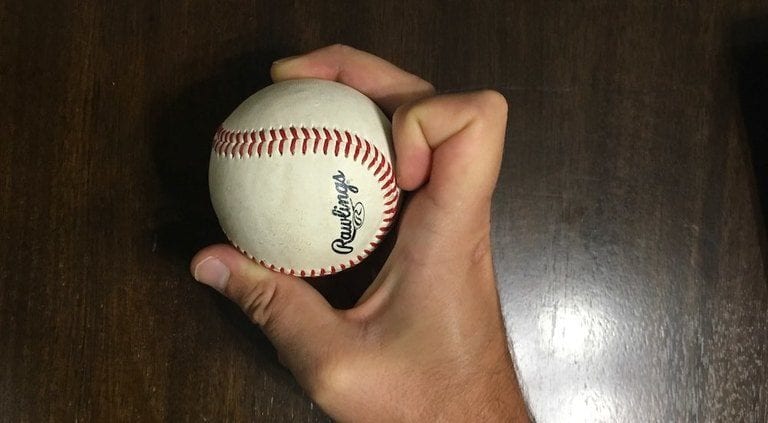
Now, the language of grip is writ large across the seams and the spin of the ball itself. Pitches aren’t just thrown; they are ‘spun.’ This is the physics engine governing a grip’s fate. Off-center spin introduces lift or descent – the hallmark of curves, sliders, and screwbaits. Fingers imparting a sidespin axis, however, dictate the curve and direction. For instance, pressing fingers firmly across the horseshoe of spinning seam (as in a typical curveball grip) dictates an extreme 11-and-5 axis spin profile, maximizing break across the plate. Conversely, placing fingers on a single raised seam (four-seam fastball grip) encourages a vertical axis, minimizing sidespin and maximizing velocity and straightness. The type and placement of spin across the ball’s surface define its signature movement – the vertical bite, the sharp break, the deceptive late velocity or cut, all born from the interaction of the pitcher’s fingers and the ball’s own structure.
Decoding the Curveball Grip Variations and Hand Position Impact
Among the pantheon of pitch grips, the curveball stands as a masterpiece of controlled finesse, its appeal largely tied to the dramatic variance achievable through its foundational grip structure, often referred to a ‘Corky,’ named so partly for the raised texture on early training devices mimicking its feel. This grip typically begins with the index knuckle, or perhaps just the base of the index fingertip, precisely resting in the ‘horseshoe’ crevice formed by the raised seams – the four white seams meeting at a slight angle. As the arm initiates the throw, the other four fingers curl over in an effort to follow the natural rotation of the ball. This seemingly simple hand position is the master key unlocking the pitch’s unparalleled break. The fingers not only follow the ball’s spin but, crucially, impart a specific sidespin axis oriented from the first base side (11 o’clock) towards the third base side (5 o’clock).
This particular spin axis configuration dictates the curveball’s characteristic dive. Because the leading edge of the pitch (the part facing the direction of release) is effectively dragged sideways towards the inner half of the plate, the ball arrives travelling significantly lower than where it left the hand. The forces acting across the seams create a vacuum effect, reducing lift at the leading edge, causing the descending pitch to dip sharply off the plane towards its target. This deceptive combination of speed upon release followed by a dramatic drop – that sudden, disorienting plunge – is perhaps the grip’s most captivating feature, explaining its enduring mystique on the mound. It appears as if gravity itself is conspiring against the batter’s anticipation.
However, the curveball spectrum extends beyond this classic variant. Some pitchers employ a ‘four-seam’ influence on their curve, attempting to add a touch of velocity and straightness onto the drop. This typically involves a slightly more vertical, upright hand position before the break initiates, fingers still pressing the high-and-low horseshoe seam but perhaps with a bit more ‘top’ involved. Another variation involves a grip lower down the seams, or slightly beyond the standard Corky position onto the outer seam edge. This might aim to create a tighter, more abrupt break potentially seen in offspeed pitches, adding another dimension of deception.
Slider Mechanics and the Spectrum of Grip Execution
Though differing in origin and purpose, the slider shares an intimate relationship with the curveball grip, particularly the concept of the ‘Corky,’ albeit executed differently with often faster velocity. While it maintains the deceptive finger alignment pressing upon the raised seams (typically a ‘high’ horseshoe, though some grip names like ‘Gutter’ vary), the slider is distinguished by the *intensity* of the spin axis created and the *angle*. The aim here is less about deep diving and more about slicing across the plate with startling speed and sharp lateral movement.
In a classic (though sometimes debated) slider grip, the index knuckle still plants itself in the raised seam pocket, but the other fingers (typically the middle finger) are employed as downward pressure guides or ‘plungers.’ Instead of primarily pressing across the wide horseshoe seam like the classic curve, the slider involves pushing the fingers down onto the middle of the ball between the seams. This action imparts a predominantly sidespin axis from the fifth-wheel position, roughly aiming for a 4-and-down or 3-and-down axis, specifically targeting the inner half of plate, third base side, but arriving with considerably more velocity than a curveball. The ‘slide’ is less about a vertical dive and more about a horizontal acceleration across the strike zone. The high seam grip also contributes to the ball’s movement towards the outer part of the plate upon arrival, though less intensely than the curve.
The slider’s alluring nature stems from its ability to disrupt the batter’s sight. Arriving with deceptive velocity just inside the expected zone, but slicing sharply towards the opposite side – a pure deception of movement and trajectory. Mastery lies in consistent command of this speed-deceptive axis alignment, ensuring the pitch reaches its target velocity profile before unexpectedly veering. Its grip execution is a dance of control rather than the gravity-defying plunge of the curve.
The Connection: Mastery, Identity, and the Deception Engine
The mastery of these intricate grips – curveball, slider, and countless others – transcends mere control. It represents a deep understanding of physics translated into actionable artistry. The pitcher, through countless repetitions, internalizes these grip nuances. The subtle differences in the hand become second nature, echoing across the arm through muscle memory, influencing delivery, release point, and spin. This control builds credibility – the consistent location and movement required for pitching dominance stem directly from a highly refined grip comprehension.
Beyond the physical prowess, the ability to command multiple distinct grip variations shapes a pitcher’s identity and pitch strategy. Each grip offers a unique solution to the batter – deception through movement, velocity differences, or specific trajectory alteration. A pitcher armed with a diverse grip library can constantly shift the odds against the batter, keeping them off-balance. The visual cues of hand signs or grip selection itself may or may not reveal the intended pitch type, adding another layer of psychological warfare.
Finally, the grip serves as the engine of deception. It is the hidden mechanism converting a thrown ball into an unpredictable one that disrupts sight and timing. Explaining the grip in detail can demystify it somewhat, but appreciating its effect – the way the fingers orchestrate the ball’s dance through the air – adds another layer to the game’s intricate beauty. The magic, therefore, lies in this blend: the precise mechanics enabling the artistry, the control ensuring reliability, and the resulting movement generating that captivating blend of skill and surprise that has fascinated baseball enthusiasts for generations.