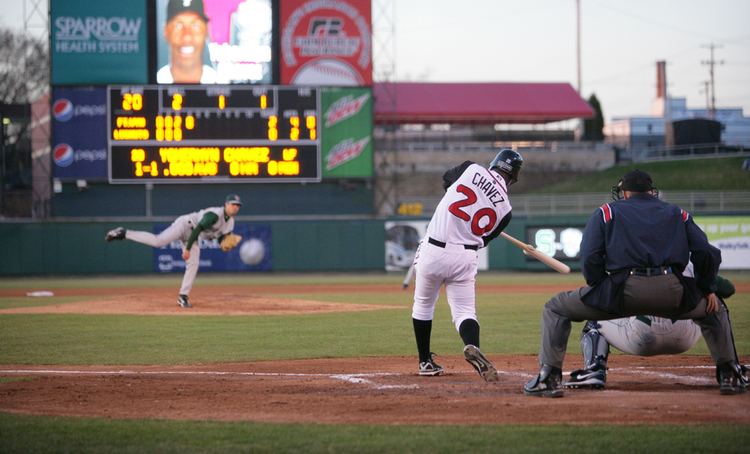
The signing of Carl Pavano by the New York Yankees in December 2004 was heralded as a pivotal moment, a cornerstone acquisition aimed at solidifying a rotation poised for sustained contention. A four-year, $39.95 million contract promised the Bronx faithful a durable, frontline starter capable of navigating the pressures of baseball’s biggest stage. What transpired, however, was a saga of unfulfilled potential, mounting injuries, and a growing chasm between a player and the expectant fanbase and media. This isn’t just a story about performance; it’s a deep dive into the unique crucible of New York sports, where the very act of a player stating his “feelings were hurt” can spark a city-wide debate, forcing us to re-evaluate the intricate dynamics of promise, expectation, and the often-harsh realities of the Pinstripes.
1. The Weight of the Pinstripes Contract
When Carl Pavano put pen to paper on that lucrative deal, he wasn’t just signing for money; he was signing for a legacy. In New York, a high-value contract comes with an implicit understanding: you are expected to perform at an elite level, consistently. Pavano’s deal was meant to place him among the rotation’s aces, a reliable arm to complement veterans and bolster the championship aspirations. The initial expectation was not just good, but dominant, reflecting the Yankees’ perennial pursuit of World Series glory. This immediate, immense pressure is often underestimated by those outside the glare of the Bronx.
2. The Relentless Barrage of Injuries
Pavano’s Yankees tenure was fundamentally defined by injury. From a shoulder strain in spring training 2005 to an assortment of forearm, back, and buttock issues, he seemed perpetually sidelined. Over four seasons, he made just 26 starts, a paltry figure for a pitcher signed to be a workhorse. Each new ailment chipped away at fan patience and media goodwill, transforming hope into skepticism. The sheer volume and variety of injuries fostered an environment of constant doubt, undermining any chance for him to establish a rhythm or build trust.
3. The “Phantom Injury” Accusations
Perhaps the most damaging narrative to emerge was the suggestion that some of Pavano’s injuries were not as severe as portrayed, or worse, exaggerated. The New York Post famously dubbed him “Carl Pavarotti” during one injury stint, implying he was milking the system. When a player makes $10 million annually to pitch and instead spends extensive time on the disabled list with seemingly non-specific ailments, the intense scrutiny of the New York media machine can be brutal. This perception, whether entirely fair or not, solidified a public image of fragility and unreliability.
4. Navigating the NYC Media Gauntlet
The New York media landscape is unlike any other in professional sports. A legion of reporters, columnists, and broadcasters dissect every play, every quote, every injury report. For a player struggling to stay healthy and perform, this relentless scrutiny can be overwhelming. Pavano, an admittedly private individual, found himself under a microscope, with his character, commitment, and even his pain tolerance being questioned daily. The expectation is not just to perform, but to stand up to the unceasing public inquest, a skill many find difficult to master.
5. The Unforgiving Bronx Fanbase
Yankees fans are renowned for their passion and their uncompromising standards. They pay premium prices for tickets and merchandise, and in return, they demand effort, dedication, and winning. When a high-priced free agent fails to deliver, the frustration can manifest in boos, jeers, and public excoriation. Pavano experienced this firsthand, particularly when a brief return to the mound was met with immediate struggles. The collective disappointment of the fanbase is a powerful, palpable force, difficult for any athlete to ignore.
6. The “Paper Tiger” Label Takes Hold
As his time in New York progressed, Pavano increasingly acquired the label of a “paper tiger” – someone who looked good on paper, with a promising track record pre-Yankees, but who crumbled under the actual pressure. This perception was exacerbated by his relatively strong performance against the Yankees in previous seasons with the Marlins, where he seemed fearless. The stark contrast between his prior form and his struggles in pinstripes fueled the narrative that he simply wasn’t built for the intensity of the Bronx.
7. Joe Torre’s Subtle Disapprovals
Yankees management, particularly manager Joe Torre, maintained a public front of support, but subtle cues often signaled underlying frustration. Torre, known for his calm demeanor, rarely launched into public tirades. However, his measured responses and occasional expressions of bewilderment regarding Pavano’s extended absences often conveyed more than direct criticism. These nuanced reactions from the dugout only served to validate the public’s growing doubts about the pitcher’s situation.
8. The Infamous “Pizza Gate” Incident
A bizarre, highly publicized incident involving Pavano getting hit by a line drive during batting practice – not on the mound, but while sitting in the dugout – and breaking a rib, epitomized the surreal nature of his tenure. This injury, occurring under such unusual circumstances, was met with incredulity and derision. It was a moment that perfectly encapsulated the “anything can happen to Carl Pavano” narrative and became fodder for endless jokes and further diminished his standing with the team and fans.
9. Perceived Lack of Accountability
From the perspective of many fans and media members, Pavano often seemed to shy away from fully owning his struggles. While injuries are undeniably part of baseball, the perception was that he sometimes defaulted to medical explanations rather than confronting the psychological and performance aspects of his situation. This perceived lack of forthrightness further alienated him from a fanbase that values transparency and grit, even in defeat.
10. The Unspoken Contract of the Yankees Pitcher
Beyond the written terms of his deal, Pavano had an unspoken contract with the Yankees organization and its faithful: to take the ball every fifth day, to battle, and to carry the weight of expectation. For a starting pitcher, durability is paramount, especially for a high-salary acquisition. His inability to fulfill this fundamental expectation left a void in the rotation and a deep sense of betrayal among those who believed in the initial promise.
11. Life After the Bronx: A Resurgence Elsewhere
Adding insult to injury for many Yankees fans was Pavano’s subsequent career path. After leaving New York, he resurrected his career, pitching effectively for the Cleveland Indians and Minnesota Twins, including a 17-win season and an All-Star selection. This resurgence, while commendable for Pavano personally, only amplified the frustration in New York, reinforcing the belief that he simply couldn’t handle the pressure of the Bronx, yet thrived once removed from it.
12. The Business vs. Humanity Conundrum
While athletes are high-performance professionals under immense pressure, they are also human beings. The phrase “feelings were hurt” might sound trivial to some, especially when millions of dollars are involved. However, it hints at the severe mental toll of being a vilified figure in a demanding sports market. The business of baseball often overlooks the personal impact of relentless criticism and public failure, creating a complex interplay between professional expectation and human vulnerability.
13. The “Yankees Tax” on Performance
There’s an unquantifiable “Yankees Tax” that comes with playing in New York. Every mistake is amplified, every success magnified. For Pavano, this meant that his struggles weren’t just personal failures; they were viewed as betrayals of the franchise’s ethos. The financial investment and the historical pedigree of the Yankees demand a level of resilience and mental toughness that not every player possesses, making the transition to the Bronx a make-or-break moment for many careers.
14. A Shift in Perspective: Understanding the Crucible
For a long time, Carl Pavano’s Yankees tenure was viewed almost exclusively through the lens of disappointment and financial waste. However, to truly understand the phrase “feelings were hurt,” one must acknowledge the unique, intense crucible of New York. While accountability for performance is paramount, one can also recognize the immense psychological strain of being a constant target of media and fan ire, a situation few athletes are fully prepared for. It’s a testament to the fact that even highly compensated professionals are not immune to the emotional weight of public failure.
15. The Lingering Echoes of Unfulfilled Promise
Years removed from his Yankees departure, Carl Pavano’s name still evokes a complex mix of frustration and bewilderment among the fanbase. His tenure remains a cautionary tale, a stark reminder that talent and a big contract are not always enough to conquer the unique challenges of playing in New York. The promise of a frontline starter faded into a legacy of what-ifs and the indelible mark of a player who couldn’t quite bear the weight of the Pinstripes, leading perhaps, to some deeply personal scars.