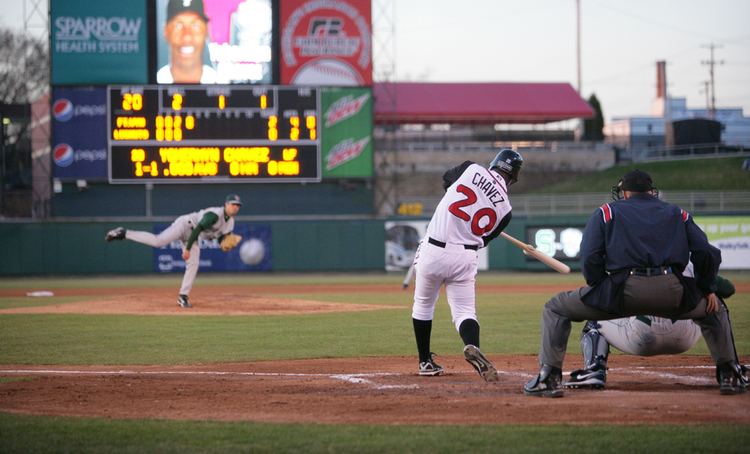
The crack of the bat, the pop of the glove, the roar of a crowd under the Florida sun – these are the familiar harbingers of spring for baseball aficionados. While many casual observers dismiss exhibition games, particularly those held in vibrant locales like Miami, as mere warm-ups devoid of consequence, a closer inspection reveals a rich tapestry of tactical importance, player development, and the pure, unadulterated anticipation that defines the return of America’s pastime. Far from being inconsequential, these contests offer a unique window into the sport’s evolving landscape, providing insights that go well beyond the final score.
1. The Misconception of Irrelevance
A common refrain regarding exhibition games is that they “don’t count.” While it’s true that wins and losses in March don’t impact regular season standings, this perception dangerously undervalues their critical role. For players, coaches, and front offices, every pitch, every at-bat, and every defensive play carries weight. These games are a vital testing ground, a live-action classroom where the groundwork for a successful season is meticulously laid, far from the statistical pressures of summer.
2. The Unveiling of Prospects
Miami’s exhibition games often serve as a grand stage for the sport’s future stars. These contests provide the first opportunity for highly touted minor league prospects, often non-roster invitees, to showcase their talents against established big-league competition. Fans and scouts alike are captivated by these young athletes, eagerly tracking their performance for hints of who might be the next generational talent or a surprising breakout performer destined for a major league roster spot later in the season.
3. Tactical Laboratories in Action
Managers treat exhibition games as tactical laboratories. New offensive philosophies, defensive alignments, and bullpen strategies are meticulously tested in a game environment without the punitive repercussions of a regular season loss. It’s a period of calculated experimentation, allowing coaching staffs to evaluate the efficacy of new approaches, player versatility, and how different personnel combinations might gel before the real games begin to count.
4. The Return of the Veterans
Even seasoned veterans, seemingly immune to the pressures of roster battles, utilize these games for essential tune-ups. For a pitcher, it’s about building arm strength and refining command; for a hitter, it’s about timing and pitch recognition. The exhibition slate provides a crucial ramp-up, allowing them to shake off the rust of the offseason, fine-tune their mechanics, and mentally prepare for the rigorous demands of a 162-game schedule, ensuring they’re game-ready on Opening Day.
5. The Heated Battle for Roster Spots
Beneath the surface of relaxed exhibition play lies intense competition for the final few spots on the 26-man roster. Players on the bubble, journeymen, and those attempting to reignite their careers understand that every plate appearance and every defensive chance is an audition. Their performance in Miami’s exhibition games can be the determining factor in whether they break camp with the big league club or start the season in the minor leagues, adding a palpable undercurrent of drama.
6. Injury Rehabilitation Under the Lights
For players returning from significant injuries, exhibition games are a critical step in their rehabilitation process. These low-stakes environments allow them to test their recovery, build confidence, and reacclimatize to game speed without the high pressure of a regular-season situation. Observing how these athletes move, react, and perform is vital for medical staff and coaches to gauge their readiness for a full return to play, often providing the first glimpses of a key player’s comeback trail.
7. Testing the Waters of New Rule Changes
Major League Baseball frequently uses exhibition games as a proving ground for potential new rule changes. Whether it’s the pitch clock, limitations on defensive shifts, or larger bases, these games offer a live opportunity to assess the impact and unintended consequences of innovations. Fans get an early look at how these adjustments might alter the pace and strategy of future regular season contests, offering a fascinating preview of the game’s evolution.
8. Forging Team Chemistry and Cohesion
Beyond individual performance, exhibition games are crucial for team building. New acquisitions integrate with established players, forging the bonds and communication essential for success. The shared experience on the field, in the dugout, and during travel contributes to developing the intangible chemistry that often defines championship-caliber teams. Miami, with its vibrant atmosphere, can often foster a relaxed environment conducive to this bonding process.
9. The Allure of the Miami Backdrop
Holding exhibition games in Miami adds a unique flavor to the spring training narrative. The city’s cosmopolitan energy, diverse cultural influences, and vibrant nightlife contribute to an atmosphere that feels distinct from traditional Grapefruit League venues. It offers a blend of serious baseball preparation with the allure of a vacation destination, creating a memorable experience for both players and the visiting fan base, attracting a different demographic to the early season action.
10. A Fan’s First Glimpse of Hope
For dedicated fans, exhibition games are the emotional ignition switch for the new season. It’s the first chance to see their team in uniform, to observe new faces, and to feel the renewed sense of optimism that “hope springs eternal.” These games, regardless of the box score, serve as a powerful reminder of why we love baseball, offering a cherished connection to the sport after a long winter hiatus and rekindling the excitement for what lies ahead.
11. The Nuances of Pitcher Development
Starting pitchers meticulously build arm strength, working through their full repertoire of pitches over increasingly longer outings. Relief pitchers, meanwhile, are auditioning for specific roles – set-up man, closer, long reliever – and refining their command in high-leverage situations that mimic late-game scenarios. These games are invaluable for coaches to assess their entire pitching staff’s readiness and capabilities for the grueling season to come.
12. Defensive Drills and Positional Adjustments
Beyond offensive output, exhibition games are vital for defensive cohesion. Players hone their glove work, practice cut-off throws, and execute relays. They also provide opportunities for players to try out new positions or gain versatility, which can be invaluable during the regular season. The fluidity and communication of the infield and outfield are put to the test, ensuring everyone is on the same page when the games truly matter.
13. Scouting Beyond the Box Score
While the numbers might not carry weight, the observation of player mechanics, plate discipline, defensive instincts, and overall athleticism is paramount for scouts and front office personnel. They are looking beyond a single hit or an error, assessing consistency, effort, and how a player handles pressure. These detailed observations inform future roster decisions, trade considerations, and long-term player development strategies, making every minute a valuable data point.
14. The Sound and Feel of Baseball’s Return
For many, the “why” of exhibition games transcends the strategic and developmental. It’s the sensory experience: the unmistakable thwack of a baseball hitting a sweet spot, the gentle hum of the crowd, the smell of fresh-cut grass under stadium lights. These games are a ceremonial reawakening, a collective sigh of relief that the long offseason is over and the familiar rhythm of baseball has returned, ushering in warmth and optimism.
15. Economic Impact and Local Engagement
Hosting exhibition games in Miami also carries significant economic benefits for the local community. They draw fans from across the nation, filling hotels, restaurants, and local businesses, providing a substantial boost during a typically slower period. Beyond the finances, these games foster community engagement, offering local residents a chance to connect with professional baseball, often at more accessible prices than regular season contests, strengthening the sport’s ties to the city.