Imagine a finely tuned instrument — delicate strings vibrating under the skilled fingers of an artist. Each stroke can create a melody or a discord, depending on the tempo and pressure applied. Similarly, the human arm, especially in a pitcher’s delivery, is a remarkable yet fragile instrument. The question “How many pitches is too many?” resonates deeply within the realm of baseball, echoing far beyond the diamond into the confluence of biomechanics, physiology, and sport science. Understanding the science behind arm limits is essential not only to safeguard young athletes but to preserve the artistry of pitching itself.
The Anatomy of the Throwing Arm: Understanding the Instrument
Within the symphony of throwing mechanics lies a complex interplay of bones, muscles, tendons, and ligaments that function in unison to produce the dynamic motion of a pitch. The shoulder, often compared to a ball-and-socket joint, permits a vast range of movement, but this flexibility comes at a cost. The ulnar collateral ligament (UCL), a crucial stabilizer in the elbow, functions like a taut cable, preventing the joint from overextending as immense forces surge through during each pitch.
When a pitcher drives a ball towards the plate, the arm experiences angular velocities that surpass 7,000 degrees per second — a breathtaking feat of human kinetics. Each pitch is a surge of tendon strain and microtrauma, cumulating in gradual fatigue. Just as a violin string can only endure so much tension before snapping or losing tune, the ligaments and tendons in a throwing arm have thresholds beyond which injury becomes inevitable.
Biomechanical Stress: The Invisible Toll
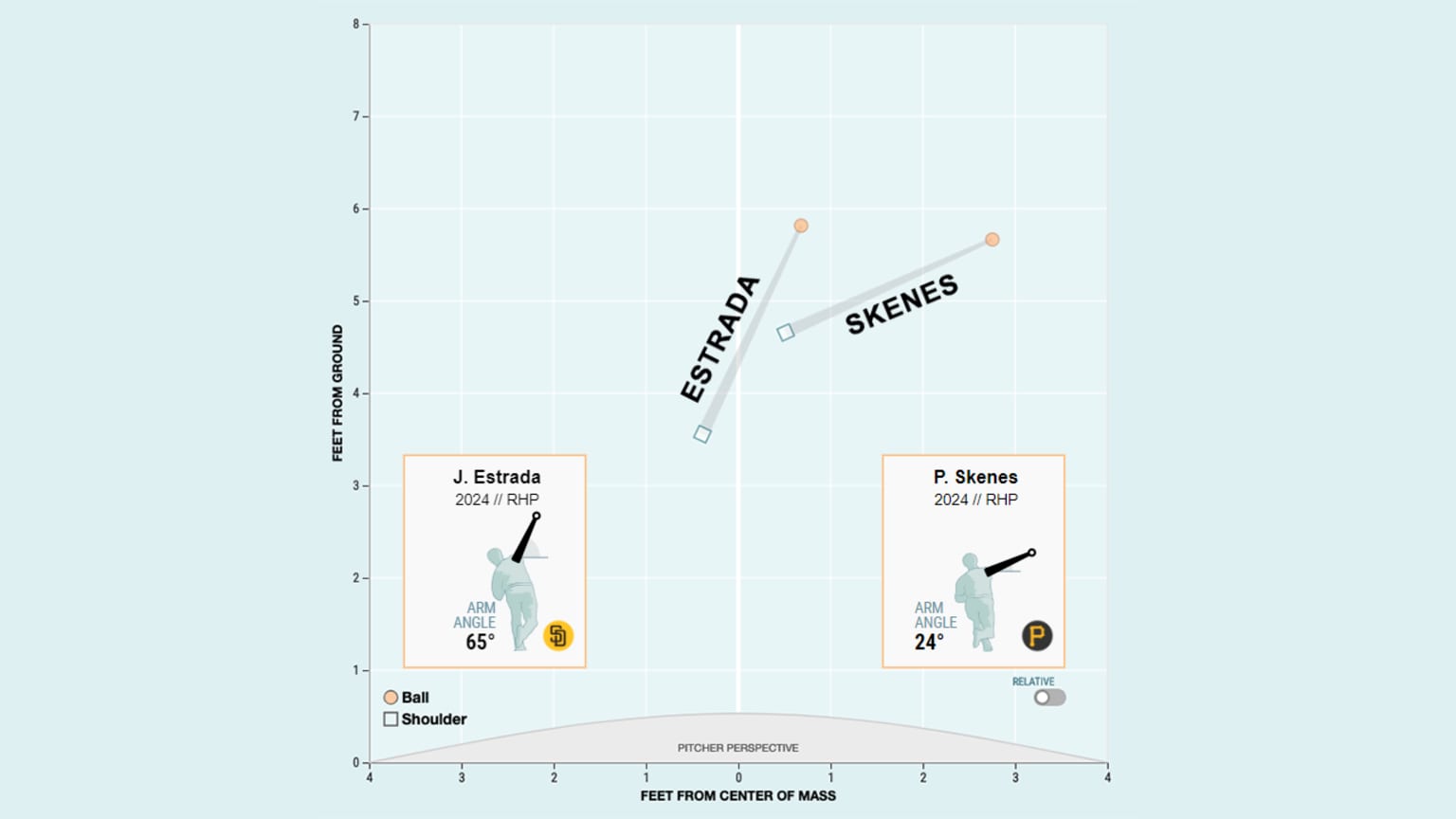
Not all pitches are created equal. Variations in arm slot and angle morph the stresses distributed through the arm from pitch to pitch. A sidearm curveball and an overhand fastball may seem superficially similar but create vastly different biomechanical profiles. The physics of throwing elucidate that velocity, torque, and repetitive strain magnify the invisible toll taken by each pitch.
Studies measuring joint torque and elbow valgus load reveal that as pitch count climbs, muscle fatigue sets in, weakening the supportive structures and increasing ligament strain. This is akin to an orchestra playing a crescendo — the intensity rises, and so does the risk of a discordant crack. The accumulation of micro-injuries, often imperceptible in the moment, accrues silently until the arm can no longer sustain its performance.
Fatigue and Its Role in Injury Risk
Fatigue is the subtle saboteur that transforms control into chaos. As neuromuscular endurance wains, coordination falters, and mechanics begin to unravel. Pitchers may compensate unconsciously, adjusting their arm slot or reducing rotation velocity, setting off a cascade of inefficiencies. This compensatory behavior increases the likelihood of arm injuries and misfires in pitch location.
The analogy of a clock spring losing its tension captures this phenomenon vividly. Initially tight and precise, the spring’s oscillations grow erratic as energy dissipates. For pitchers, this means not just diminished velocity but heightened vulnerability. Recognizing the signs of fatigue before damage manifests is crucial in establishing arm limits that are both protective and performance-conscious.
The Evolution and Science of Pitch Counts
Historically, pitch count regulations emerged not from scientific inquiry but as conservatively guided practices grounded in empirical observation. As sports medicine advanced, data-driven approaches began to unravel the intricate relationship between pitch volume and arm health.
A seminal realization was that cumulative workload — measured not solely as raw pitch count per game, but inclusive of warm-ups, bullpen sessions, and even daily activity — contributes significantly to overuse injuries. This multifaceted understanding gave birth to tailored pitch limits, emphasizing rest periods and gradual workload escalation, especially in youth athletes still sculpting their musculoskeletal frameworks.
Youth Pitchers: Building Resilience Without Breaking
The developing arm of a young pitcher holds unparalleled promise yet possesses delicate vulnerabilities. Growth plates within bones remain pliable, ligaments not fully matured, and muscular endurance evolving. Imposing adult-level pitch counts on these fragile structures is tantamount to asking an unseasoned violinist to perform a virtuoso piece without rehearsal.
Respecting developmental physiology, guidelines now incorporate age-specific limits coupled with mandatory rest intervals to mitigate cumulative trauma. This framework encourages longevity and fosters skill development, allowing the young player’s arm to build resilience like a seasoned instrument gradually tuned over time. It also necessitates a cultural shift away from the relentless pursuit of immediate performance towards prioritizing long-term health.
Technological Innovations and Monitoring
The digital age brings unprecedented opportunities to monitor and analyze pitching mechanics in real time. Wearable sensors and high-speed cameras quantify arm slot, release angle, and torque with impeccable precision, offering coaches and medical staff actionable insights.
This data empowers individualized arm management, transforming static pitch limits into dynamic, context-sensitive thresholds. A pitcher’s unique biomechanics, fatigue indicators, and historical injury markers can inform bespoke limits that optimize performance and minimize risk. Analogous to the way a master tone tuner adjusts strings by ear and sensor data, this nuanced approach elevates the art and science of pitching preservation.
Psychological Dimensions of Arm Limits
Arm limits are not simply numbers on a scoreboard but psychological parameters that influence a pitcher’s confidence and strategy. Knowing when to push and when to preserve arm health requires maturity, self-awareness, and trust in the coaching staff. For a young athlete, the challenge is almost Sisyphean — balancing ambition with prudence.
Conversations around pitch counts must therefore embrace mental health and resilience, framing arm limits not as constraints but as safeguards enabling a prolonged and fulfilling career. Cultivating this mindset is equitable to teaching a musician restraint, ensuring their instrument remains capable of producing enchanted melodies over decades.
Conclusion: Harmonizing Limits with Longevity
The question “how many pitches is too many?” defies a singular answer. It unfolds as a nuanced dialogue between anatomy, biomechanics, psychology, and technology. The arm, a marvel of kinetic artistry, demands respect and stewardship. Implementing scientifically grounded arm limits reflects more than injury prevention — it’s an ode to the enduring spirit of the pitcher.
Like a fine instrument cared for with reverence, the throwing arm can continue crafting moments of brilliance through conscious management. Understanding the underlying science behind arm limits empowers athletes, coaches, and caregivers to strike a delicate balance — protecting the present while safeguarding the future of the game.