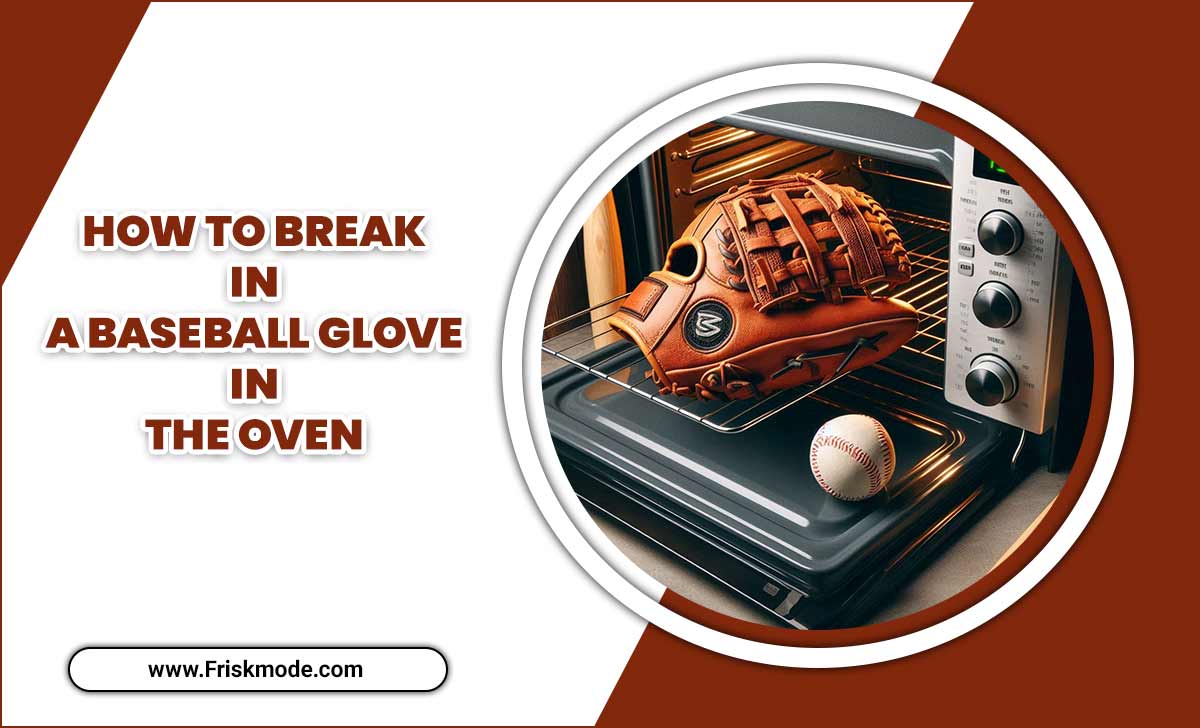
There’s a myth in baseball that’s as stubborn as a sunburn on the back of your neck after a doubleheader—one that whispers that the only way to coax a glove into submission is to bake it in an oven like a Thanksgiving turkey. The truth? That method is about as outdated as a wooden bat in a metal cleat era. Breaking in a baseball glove isn’t about brute force or culinary experimentation. It’s about artistry, patience, and understanding the leather’s soul. And the best part? You don’t need heat. You need finesse. So, if you’re ready to transform your stiff, unyielding glove into a supple extension of your hand—one that cradles line drives like a second skin—read on. This isn’t just another glove-breaking guide. It’s your playbook to glove mastery.
The Myth of the Oven: Why Heat is a False Prophet
Picture this: a rookie in the dugout, nervously cradling a brand-new glove, watching as a veteran cracks open the oven door with the reverence of a sommelier uncorking a rare vintage. The rookie assumes this ritual is as sacred as a 3-2 count with two outs in the ninth. But here’s the hard truth—heat doesn’t soften leather. It denatures it. The oils and fibers that give the glove its structure begin to break down under excessive temperatures, leaving you with a glove that’s more brittle than a rookie’s confidence after a called third strike. The oven method isn’t innovation; it’s desperation disguised as tradition. Real glove-breaking is a slow dance, not a microwave dinner. It’s about coaxing the leather to relax, not forcing it into submission with scorching air. The best gloves aren’t broken—they’re nurtured.
Leather’s Language: Understanding the Material’s Whispers
Not all gloves are born equal. A stiff, oil-treated leather glove from Rawlings responds differently to care than a buttery-soft Japanese steerhide mitt from Mizuno. The key lies in deciphering the leather’s language. Full-grain leather, the gold standard in pro gloves, is dense and unyielding at first, but it’s also the most responsive to proper conditioning. It craves hydration, not heat. Cheap synthetic gloves, on the other hand, are like a rookie’s first mitt—plastic in feel and unforgiving in play. They’ll never mold to your hand like a fine leather glove will. Before you even think about shaping your glove, you need to speak its dialect. Is it thirsty? Is it stiff? Is it begging for a drink of neatsfoot oil or mink oil? Listen closely. The leather will tell you.
The Ritual of Conditioning: Oiling the Glove’s Soul
Conditioning isn’t just a step in the process—it’s the foundation. Think of it as the batting practice before the game, the warm-up before the marathon. A well-oiled glove absorbs impact like a sponge, flexes like a cat stretching after a nap, and molds to your hand with the precision of a tailor fitting a bespoke suit. But not all oils are created equal. Neatsfoot oil, derived from cattle hooves, is the old-school choice, prized for its deep penetration and ability to keep leather supple without over-saturating it. Mink oil, while popular, can over-soften the leather if used excessively, turning your once-firm glove into a floppy pancake. For a middle ground, consider a blend of coconut oil and lanolin—natural, non-greasy, and gentle on the leather’s fibers. Apply it sparingly, massaging it into the palm, fingers, and wrist with your fingertips. Let it soak in overnight, like a player letting a fastball travel deep into the zone before swinging. Patience here is your greatest ally.
Shaping the Glove: The Art of the Break-In
Now comes the fun part—molding your glove into a second skin. Forget the oven. Forget the microwave. The best way to break in a glove is to use it. But not just any use—purposeful, deliberate use. Start with a tennis ball. Yes, a tennis ball. Its firm yet forgiving surface is the perfect intermediary between your hand and the stiff leather. Place the ball deep in the pocket of the glove and wrap a belt or a shoelace around it, securing it tightly. This isn’t just about creating a pocket; it’s about teaching the glove where to bend, where to flex, where to cradle a liner shot. Leave it overnight, like a player letting a tough loss marinate before moving on. Repeat this process for a few days, gradually increasing the time the ball stays in the pocket. The goal isn’t to force the glove into submission but to guide it into compliance. Think of it as sculpting clay—gentle pressure, repeated motions, and a vision of the final form.
The Pocket’s Evolution: From Stiff to Supreme
A glove’s pocket is its soul. It’s where the magic happens—the place where a 95-mph fastball nestles like a newborn in a mother’s arms. But a pocket doesn’t form overnight. It’s the result of hundreds of catches, each one a step closer to perfection. Start with soft tosses from close range, gradually increasing the distance as the leather softens. Use a weighted baseball or a donut ring to add resistance, forcing the glove to deepen its pocket with each throw. The key here is repetition, not force. A glove broken in properly will have a pocket so deep and responsive that catching a liner feels like shaking hands with an old friend. But be patient. Rushing this process is like trying to hit a curveball in the dark—you might get lucky, but you’re more likely to strike out.
Game-Day Glove Care: Keeping the Magic Alive
Breaking in a glove isn’t a one-time event. It’s a lifelong relationship. After every game or practice, knock out the dirt with a soft brush or a damp cloth. Never leave your glove in a hot car or under direct sunlight—heat is the enemy of supple leather. Store it in a cool, dry place, preferably in a glove bag or wrapped in a towel to retain its shape. And always, always recondition it with a light application of oil every few weeks, especially during the offseason when the leather is most prone to drying out. A well-cared-for glove will last for years, its pocket deepening with every catch, its leather softening with every season. It’s not just equipment; it’s a companion.
The Pro’s Secret: How Big Leaguers Do It
If you’ve ever watched a big-league infielder snag a liner with effortless grace, you’ve witnessed glove mastery in action. But here’s the secret they don’t tell you: pros don’t rely on gimmicks. They rely on routine. They oil their gloves religiously, shape them with purpose, and use them constantly. They don’t bake them. They don’t microwave them. They treat them like prized possessions, because that’s exactly what they are. The difference between a pro’s glove and an amateur’s isn’t the price tag—it’s the care. A $300 glove in the hands of a player who neglects it will feel like a brick. The same glove in the hands of a player who nurtures it will feel like an extension of their arm. The choice is yours.
Final Innings: Your Glove’s Transformation Awaits
So, forget the oven. Forget the myths. Breaking in a baseball glove isn’t about force—it’s about finesse. It’s about patience, care, and a deep understanding of the leather’s needs. It’s about turning a stiff, unyielding piece of equipment into a living, breathing part of your game. The process isn’t quick. It isn’t easy. But when you finally slip your hand into a glove that fits like a glove should—deep pocket, supple leather, responsive feel—you’ll understand. This isn’t just breaking in a glove. It’s crafting a legacy. And the best part? You don’t need heat to do it. You just need time, care, and a little bit of love.