The upcoming clash between the Miami Marlins and the Colorado Rockies offers an intriguing tableau for baseball aficionados and casual observers alike. As these two teams prepare to face off, anticipation bubbles over questions of strategy, player performance, and potential shifts in momentum within the National League. This analysis delves into the multifaceted dimensions of the matchup, exploring pitching dynamics, offensive capabilities, defensive considerations, and the intangible elements that could tip the scales. Can the Miami Marlins assert dominance over their Rocky Mountain rivals? The answer lies embedded in a careful dissection of the factors that make baseball such a captivating sport.
Starting Pitching Matchup: A Duel of Precision and Power
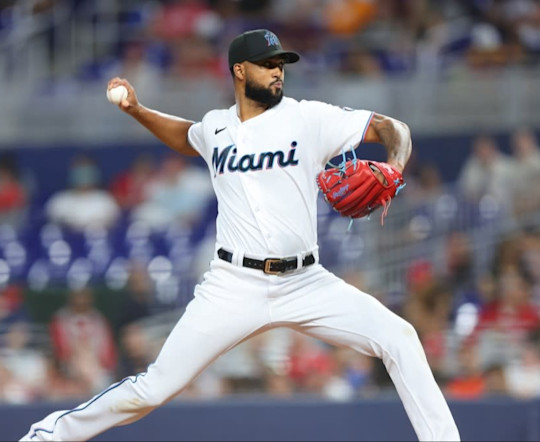
Central to any baseball encounter is the duel on the mound. In this contest, Sandy Alcantara commands significant attention. Known for his formidable fastball velocity and deceptive changeup, Alcantara embodies a blend of power and finesse that consistently disrupts opposing lineups. His ability to induce ground balls and limit hard contact is invaluable for the Marlins, particularly against a Colorado lineup that can be streaky yet dangerous.
Conversely, the Rockies rely on pitchers adept at manipulating Coors Field’s unique conditions—high altitude and thin air—that notoriously skew pitching effectiveness. Their rotation, often challenged by the ballpark’s confines, must employ strategic pitch sequencing and command to temper the lineup’s susceptibility.
This starting pitching confrontation transcends mere statistics. It encapsulates adaptability. Alcantara’s approach away from his home field, coupled with the Rockies’ attempts to exploit their familiar environment, will shape the early momentum and possibly the game’s tempo.
Offensive Strategies: Leveraging Batting Prowess and Situational Hitting
Offense remains a cornerstone of the Marlins’ strategy. Their lineup balances youthful exuberance with seasoned discipline, featuring hitters who excel at driving runs in high-leverage situations. Miami’s focus on plate discipline and selective aggressiveness could pressure the Rockies’ pitching staff into unfavorable counts, yielding opportunities for extra-base hits.
The Rockies, renowned for their capacity to unleash offensive outbursts, typically harness power hitting, especially at home. Their ability to capitalize on mistakes and generate runs in bunches keeps opponents wary. However, inconsistency has plagued their recent outings. The question lies in whether they can restore timely hitting against a scrappy Marlins defense and a pitcher known for suppressing hard contact.
Expect nuanced offensive tactics, including small-ball maneuvers, bunt plays, and hit-and-run scenarios to gain an edge in what could become a scrappy, low-scoring contest emphasizing precision over brute force.
Defensive Dynamics and Ballpark Influence
Defense often differentiates close contests. The Marlins’ defense has undergone notable improvements this season, emphasizing agility and anticipation. Their outfielders, in particular, demonstrate range and a strong arm, critical for limiting the Rockies’ propensity for extra bases. Infield coordination further minimizes errors and double-play efficiency, turning potential threats into outs.
Coors Field, notorious for transforming routine fly balls into home runs, presents a distinctive challenge. The Rockies, emboldened by intimate knowledge of their ballpark’s dimensions and atmospheric quirks, aim to leverage this advantage. The Marlins must adjust their defensive positioning, perhaps employing defensive shifts and strategic depth to counteract the altitude-induced ball behavior.
This geographic and environmental component elevates the defensive battle to an art form—where anticipation, split-second reaction, and precise execution are paramount in viralizing momentum.
bullpen prowess: Sustaining Momentum in the Late Innings
As the game progresses into the latter innings, bullpen effectiveness often determines the outcome. The Marlins’ relief corps boasts pitchers capable of neutralizing opponents with a mixture of off-speed and high-velocity offerings. Their ability to maintain composure under pressure and close down games solidifies the team’s prospects of maintaining any lead established early.
The Rockies’ bullpen, conversely, must manage the taxing demands placed by high offensive expectations, often contending with inherited runners and tight game situations. The effectiveness of their relievers, especially against a patient Marlins bat, could be pivotal. Matchups, right-left splits, and situational expletives on the mound are integral to preserving competitive equilibrium.
Intangibles and Psychological Factors: The Art of Momentum
Beyond measurable metrics, the psychological undercurrent influences player performance and team cohesion. The Miami Marlins, often considered underdogs within the division, carry intrinsic motivation to validate their rising status. Psychological resilience, manifested in handling high-pressure moments and bouncing back from adversity, could galvanize their efforts.
For the Rockies, the weight of expectation coupled with fluctuating performance may either galvanize determination or breed frustration. The ability to harness crowd energy and convert it into focused intensity remains a subtle yet potent ingredient.
Leadership within the clubhouse and in-game managerial decisions further nuance the contest’s complexion. The management’s aptitude for timely substitutions, strategic pinch-hitting, and defensive adjustments underscores the chess-like nature of baseball competition.
Historical Context and Recent Form
Historical head-to-head results provide context but seldom dictate outcomes. The Marlins and Rockies have occasionally engaged in tightly contested battles marked by individual brilliance and episodic team surges. Recently, the Marlins have demonstrated incremental improvements, both offensively and defensively, suggesting upward trajectory.
Conversely, the Rockies’ performance has manifested oscillations, influenced by injuries and inconsistent starting pitching. This disparity could play an outsized role as momentum and confidence influence squad dynamics within this particular matchup.
Tracking trends, such as streaks in home versus away performance and situational statistics like batting average with runners in scoring position, can also offer nuanced insights into probable game flow.
Final Considerations: Can the Marlins Dominate?
All indicators suggest a competitive encounter where the Miami Marlins possess the tools and temperament to assert dominance, albeit contingent on several variables aligning favorably. Success hinges on Alcantara’s ability to command the game early, the offense’s opportunistic execution, and the defense’s adaptability to challenging conditions.
The Rockies’ home-field advantage and offensive power wield undeniable influence, but their vulnerabilities—particularly in pitching consistency and defensive lapses—open avenues for the Marlins to exploit.
Ultimately, a comprehensive appraisal reveals a nuanced battle poised between strategic acumen, individual execution, and psychological fortitude. If the Marlins can synthesize these elements effectively, they stand a robust chance of not merely competing but dominating this pivotal National League faceoff.