Few maneuvers in baseball capture the subtle blend of strategy and athleticism quite like the pickoff move. Observers often marvel at the pitcher’s ability to seemingly will a baserunner back to the bag, conjuring an almost hypnotic display of deception and timing. Yet beneath the surface of these fleeting moments lies a sophisticated dance—a calculated battle for control, precision, and psychological dominance. The art of the pickoff move not only shapes the ebb and flow of a contest but also underscores the intricate nuances that fuel baseball’s enduring allure.
Understanding the Fundamentals of the Pickoff Move
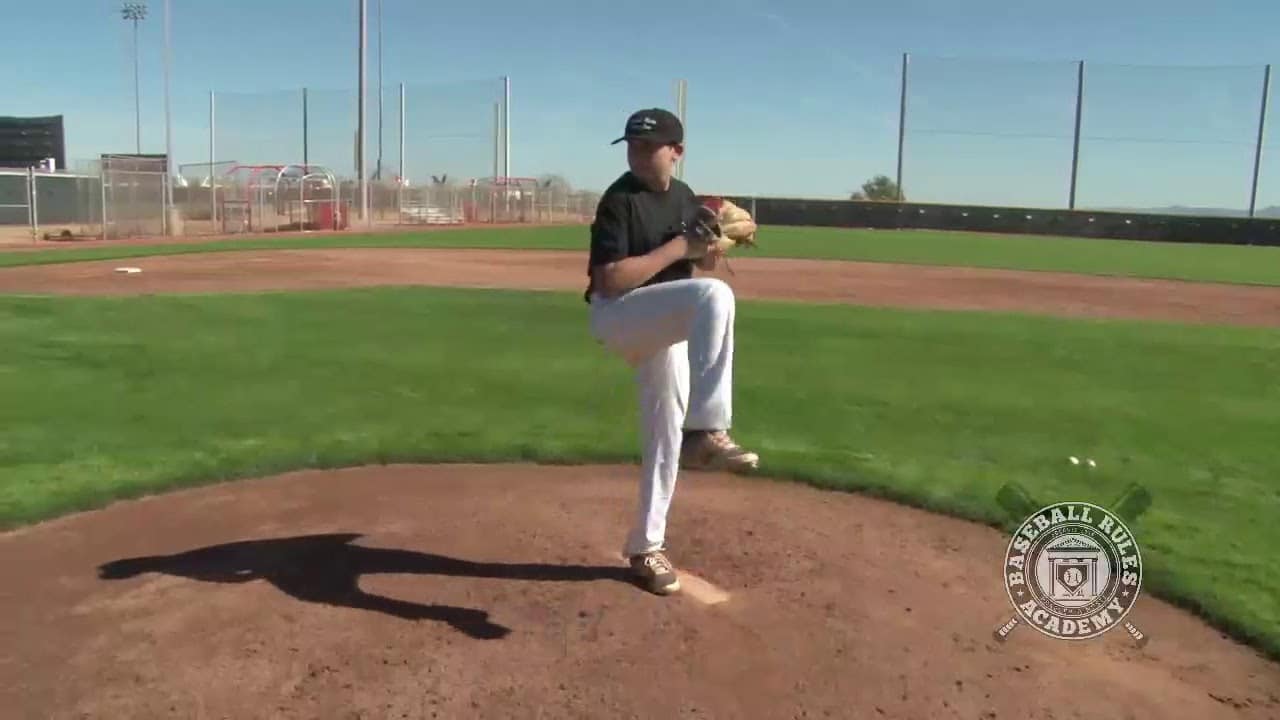
At its core, the pickoff move is a tactical ploy employed by the pitcher to catch a runner straying too far from their base. Unlike a simple throw, it demands exacting coordination and poise, where millisecond timing and body mechanics converge. Successful execution hinges on the pitcher’s ability to mask intentions, exhibiting a fluid gesture that disguises the imminent throw, thereby freezing the runner mid-stride or overwhelming them with surprise.
This technique is layered in complexity, involving not just raw arm speed but also footwork, eye-lines, and the subtle use of the pivot foot, which anchors the pitcher’s ability to throw to a base legally. An effective pickoff move is a testament to the pitcher’s cerebral arsenal—melding instinct with rehearsed agility to control the baserunner’s ambition.
The Psychology Behind the Pickoff Move: Mind Games at Play
The pickoff move transcends mere physical skill; it is a psychological duel etched in every glance and twitch. Pitchers aim to unsettle runners, sowing doubt and hesitation in each step they take away from the base. This mental warfare interrupts the runner’s rhythm, dilutes confidence, and often precipitates costly mistakes such as premature leads or overly cautious baserunning.
Meanwhile, baserunners themselves engage in an intricate cognitive ballet, balancing aggression against caution. Part of the fascination with pickoff moves stems from this chess-like battle where each party anticipates and counters the other’s maneuvers. The tension lies in the uncertainty—will the runner risk another step, or retreat, forfeiting potential advantage?
Technique and Variations: More Than Just a Throw
The pickoff move is far from monolithic; it flourishes in diverse variants tailored to situational demands and individual pitcher styles. The “flip move,” famously used to nab speedy runners, employs a deception that masks the throw behind the pitcher’s body, redirecting the ball in a blink to the catcher or baseman. Another technique, the “snap throw,” capitalizes on quick wrist action to deliver an unexpected strike.
Pitchers must also navigate the confines of legality, avoiding balks—a rule violation that can grant runners free advancement. This constraint necessitates a mastery of precise foot placement and timing. The subtlety of rules governing balks elevates the pickoff move into an art form, where the fine line between brilliance and infraction is tread with finesse.
The Role of the Catcher and Fielders in Pickoff Execution
While the pitcher orchestrates the pickoff attempt, the catcher and other fielders play indispensable supporting roles. The catcher often acts as a verbal and non-verbal strategist, signaling potential pickoff attempts based on the count, pitcher tendencies, and runner behavior. Their ability to rapidly apply tags or throw-out runners capitalizes on the pitcher’s deception.
Similarly, infielder positioning can amplify the effectiveness of a pickoff throw. A well-placed infielder can shorten the throw’s path, provide quick tags, and close escape routes. Thus, pickoff moves are not isolated feats but integrated components of team dynamics, blending individual skill with collective execution.
Pickoff Mastery and its Impact on Game Strategy
Mastering the pickoff move confers strategic leverage beyond simply removing runners from bases. It alters the baserunner’s calculus, restraining their eagerness to steal or take extra bases, effectively compressing the offensive threat. This inhibition can disrupt timing and sequencing in an opponent’s offensive plan.
Pitchers with a commanding pickoff repertoire command respect and influence innings without even delivering a single strike or ball to the plate. This indirect form of dominance underscores why teams invest significant resources in refining pickoff skills—it is a subtle yet potent weapon in the broader tactical arsenal.
Iconic Pickoff Moves in MLB History
Throughout Major League Baseball’s long annals, certain pickoff moves have become emblematic of cunning and athletic excellence. Some pitchers, renowned for their deceptive pivots and lightning-quick throws, have turned routine plays into highlight reels. These instances elevate pickoff moves into moments of artistry, showcasing how mastery over a seemingly minor facet of the game can command both admiration and strategic dividends.
Players known for their unforgettable pickoffs have influenced generations, setting benchmarks and inspiring pitchers to innovate within the strictures of the game.
Why the Pickoff Move Continues to Captivate Fans and Players Alike
The fascination with pickoff moves endures because they epitomize baseball’s larger narrative: a contest of wits, skill, and timing played out in microcosms. Each successful pickoff is a story of suspense resolved in a heartbeat, where anticipation meets execution with tangible consequences. Fans are drawn to these fleeting acts of precision as they punctuate the slow rhythms of an inning with sudden bursts of drama.
Moreover, pickoff moves epitomize control—the subtle wresting of initiative from the opposing team without the overt theatrics of a big hit or a strikeout. This nuanced form of control reinforces baseball as a cerebral sport where victory hinges as much on minuscule details as on grandiose moments, ensuring the pickoff move remains a revered skill both on fields and in baseball folklore.