Baseball has long been a game of cat-and-mouse between pitcher and batter, a cerebral duel where strategy often trumps raw power. One of the most intriguing evolutions in modern pitching is the art of “pitching backwards”—a tactic where pitchers deliberately throw breaking balls in fastball counts, subverting traditional expectations. This approach isn’t just a tactical flourish; it’s a psychological chess match, a way to exploit the batter’s instincts while masking the pitcher’s true intentions. The fascination with this strategy lies in its counterintuitive nature: why would a pitcher risk throwing a curveball when the count favors a fastball? The answer reveals deeper layers of baseball’s strategic depth, where deception and precision intertwine.
The Psychology of Misdirection: Why Pitching Backwards Works
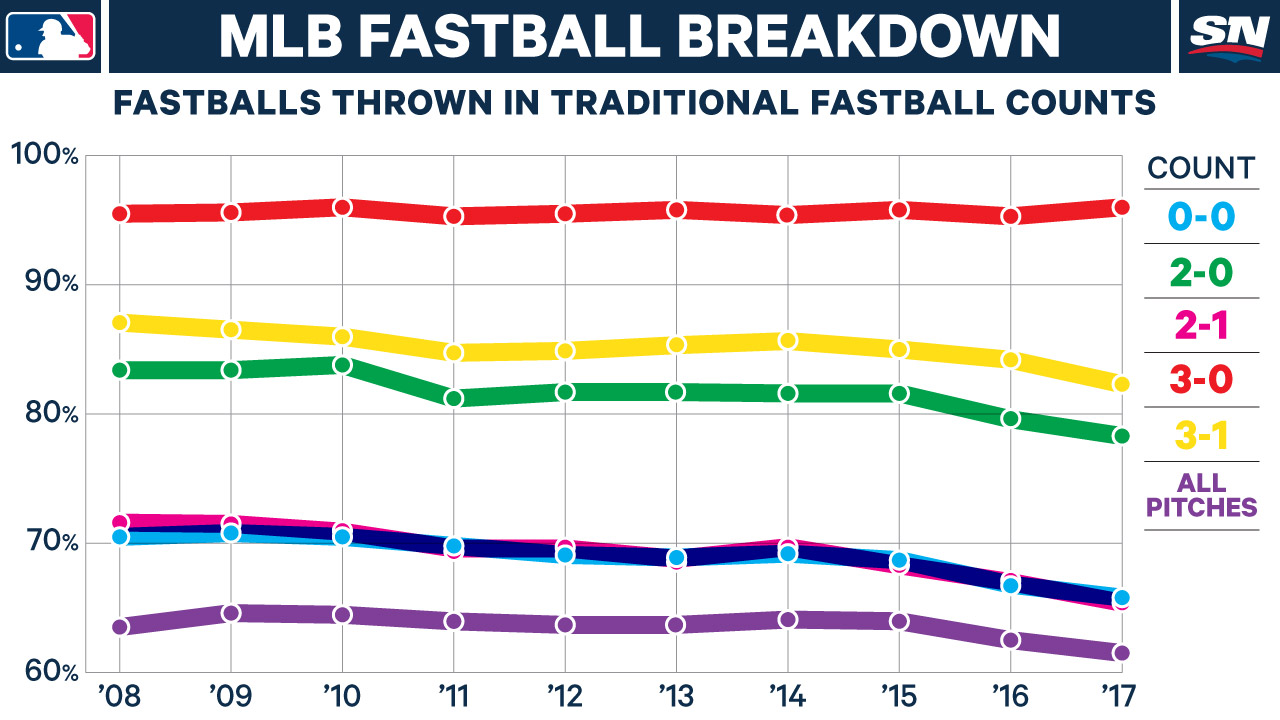
At its core, pitching backwards exploits the batter’s preconceived notions. Most hitters anticipate a fastball in hitter’s counts (0-0, 1-0, 2-0, 3-0) because it’s the pitch most likely to generate weak contact or a swing-and-miss. When a pitcher throws a breaking ball instead—say, a curveball in a 1-0 count—the batter’s timing is immediately disrupted. The sudden shift from a high-velocity fastball to a slower, downward-breaking pitch forces the hitter to adjust mid-swing, often leading to poor contact or a chase outside the zone.
This psychological advantage is amplified by the pitcher’s ability to sequence pitches unpredictably. A curveball in a fastball count isn’t just a one-off; it’s part of a broader strategy to keep the batter guessing. If a pitcher establishes a breaking ball in a favorable count, the hitter may hesitate on subsequent fastballs, fearing another off-speed offering. The result is a cycle of hesitation and over-adjustment, where the batter’s confidence erodes with each pitch.
The Mechanics Behind the Madness: How Pitching Backwards Disrupts Timing
Timing is everything in hitting, and pitching backwards severs that rhythm. A fastball arrives in roughly 0.4 seconds, while a curveball takes closer to 0.5 seconds to reach the plate. The extra tenth of a second may seem negligible, but in the context of a swing, it’s an eternity. When a batter expects a fastball and instead faces a curveball, their bat path is already committed, leading to late swings or whiffs. Even if the pitch is in the zone, the batter’s adjusted swing often results in weak grounders or pop-ups.
Moreover, the movement of a breaking ball in a fastball count can be exaggerated. Pitchers who excel at pitching backwards—like Jacob deGrom or Gerrit Cole—use their fastball’s perceived velocity to sell the breaking ball. The batter, primed for a high-velocity pitch, misjudges the break, mistaking a knee-buckling curveball for a fastball that’s already in the zone. This miscalculation is the pitcher’s ultimate weapon, turning the batter’s aggression against them.
The Strategic Chessboard: When and Why Pitchers Pitch Backwards
Pitching backwards isn’t a universal tactic; it’s a situational weapon deployed with surgical precision. The most common scenario is with a runner on base, where the pitcher aims to induce a ground ball or a swing-and-miss rather than a line drive. A breaking ball in a fastball count can entice the batter to chase, especially if the pitcher has already established the fastball’s velocity earlier in the at-bat. The goal isn’t just to get the out; it’s to do so without giving up hard contact.
Another key moment is with two strikes. A pitcher who has fallen behind in the count (0-2, 1-2) might throw a curveball in a fastball count to coax a chase. The batter, knowing they’re one strike away from a free pass or a strikeout, is more likely to expand the zone, making them vulnerable to a well-placed breaking ball. This is where the pitcher’s ability to sequence pitches becomes crucial—establishing the fastball early to set up the breaking ball later.
The Evolution of Pitching Backwards: From Gimmick to Staple
Pitching backwards wasn’t always a mainstream strategy. In the past, pitchers relied heavily on fastballs in hitter’s counts, trusting velocity to overpower batters. But as analytics and advanced scouting have proliferated, so too has the understanding of pitch sequencing. The rise of pitch-tracking technology (like Statcast) has shown that breaking balls in fastball counts can be just as effective—if not more so—than fastballs themselves. Today, even pitchers with elite fastballs (like Max Scherzer) incorporate breaking balls in favorable counts to keep hitters off-balance.
This evolution reflects a broader shift in baseball strategy, where deception is as valued as dominance. The best pitchers no longer just overpower hitters; they outthink them. Pitching backwards is a testament to this shift, a reminder that baseball is as much a mental game as it is a physical one. The pitchers who master this art don’t just throw strikes—they dictate the terms of the at-bat.
The Batter’s Dilemma: How Hitters Adapt (or Fail to Adapt)
For hitters, pitching backwards presents a paradox: the more they anticipate fastballs, the more vulnerable they become to breaking balls. The solution lies in adaptability—recognizing when a pitcher is likely to deviate from the script. Some hitters, like Mike Trout, excel at adjusting mid-at-bat, fouling off breaking balls in fastball counts before lacing a fastball when the pitcher inevitably comes back with one. Others, however, fall into the trap of over-adjusting, swinging at breaking balls out of the zone or lunging at fastballs that don’t arrive.
The mental toll of pitching backwards is real. Hitters who struggle against it often report feeling like they’re playing a guessing game where the pitcher always holds the upper hand. This psychological edge is why pitchers like Clayton Kershaw, with his arsenal of breaking balls, are so difficult to face. The best hitters counter this by studying pitch sequences, looking for patterns in how pitchers set up their breaking balls in fastball counts. But even the most prepared hitters can be undone by a perfectly executed deception.
The Future of Pitching Backwards: A Permanent Fixture in Baseball
As baseball continues to evolve, pitching backwards is unlikely to fade into obscurity. If anything, it will become even more refined, with pitchers using data to optimize their sequencing down to the pitch level. The rise of artificial intelligence in scouting and game planning means that pitchers will have even more tools to exploit hitters’ tendencies, making the art of pitching backwards an even sharper weapon.
For fans, this evolution adds another layer of intrigue to the game. Watching a pitcher like Gerrit Cole work a hitter with a curveball in a 1-0 count isn’t just a display of skill—it’s a narrative of strategy and deception. It’s the reason why baseball remains a game of inches, where the smallest adjustments can tilt the balance between success and failure. Pitching backwards isn’t just a tactic; it’s a philosophy, a reminder that in baseball, the most effective weapons are often the ones you don’t see coming.