Imagine, for a fleeting moment, that you step onto the hallowed turf of a cricket pitch. The crowd roars, the sun glints off the bowler’s run-up, and the weight of expectation rests squarely upon your shoulders. You’re not just another batter—you’re a run-scavenging gladiator, a sheet-anchor of resilience, a purveyor of boundaries. But here’s the kicker: what if I told you that the quest for a “perfect” batting average isn’t just elusive—it’s mathematically doomed from the start? Let’s dissect why this seemingly simple statistic is, in fact, a siren song luring even the most seasoned cricketers into an abyss of statistical despair.
The Batting Average: A Deceptively Simple Facade
The batting average, that humble quotient of runs scored divided by dismissals, is cricket’s answer to the stock market ticker—a number that flickers across scoreboards, whispered in commentary boxes, and dissected in post-match analyses. At first glance, it appears to be a straightforward barometer of a batter’s prowess. A high average? You’re a run-machine, a modern-day Bradman. A low one? Time to revisit the nets, perhaps with a side of humble pie.
But peel back the layers, and the batting average reveals itself as a merciless taskmaster. It doesn’t care about the context of those runs—whether they were carved against a fearsome attack on a turning wicket or gleaned from a dead rubber in the dead of a tropical afternoon. It doesn’t distinguish between a gritty 40 in a losing cause and a flamboyant 150 that seals a victory. The average is a cold, unfeeling judge, and its verdict is absolute. To chase perfection within its confines is to invite frustration, for it is a metric that thrives on imperfection.
The Myth of the Untouchable Average
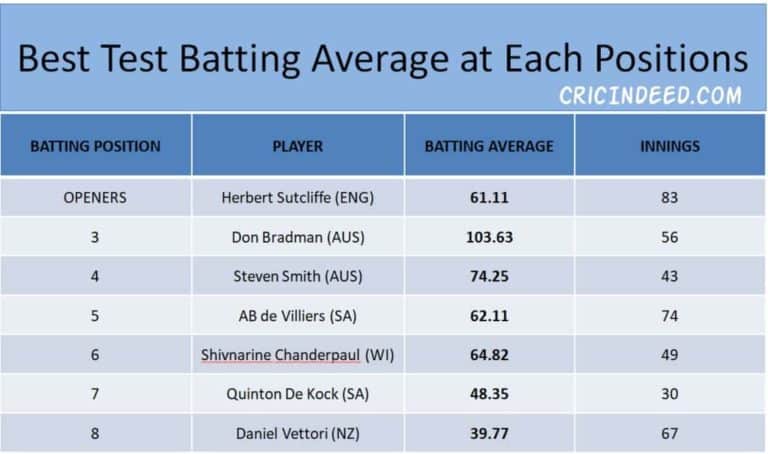
Cricket folklore is rife with tales of batting averages that soar into the stratosphere, as if defying the very laws of probability. Don Bradman’s mythical 99.94 stands as a monolith, a number so unattainable that it has become a benchmark for greatness itself. Yet, even Bradman’s average is a reminder that perfection in cricket is a mirage. For every Bradman, there are legions of cricketers whose averages oscillate like a pendulum, swinging wildly between brilliance and mediocrity.
Consider the psychological toll. A batter fixated on the idea of a “perfect” average may find themselves trapped in a cycle of over-analysis, where every scoring shot is weighed against the altar of statistical purity. The pressure to maintain an unblemished record can stifle natural aggression, turning a once-fluid batter into a cautious automaton, afraid to take the risks that could both elevate their game and expose their vulnerabilities. The pursuit of perfection, in this context, becomes a prison of one’s own making.
The Variables That Render Perfection Impossible
Cricket is a game of variables, a chaotic symphony of bat, ball, and environment where even the most meticulous plans can unravel in a single delivery. A batter’s average is subject to a dizzying array of external forces: the quality of the opposition, the condition of the pitch, the vagaries of weather, and the psychological warfare waged by bowlers. A “perfect” average would require a batter to transcend these variables entirely, to bat in a vacuum where runs flow effortlessly and dismissals are a distant memory.
Take, for instance, the phenomenon of “not outs.” A batter who remains unbeaten at the close of an innings is credited with runs but not a dismissal, artificially inflating their average. This quirk of the statistic means that averages can be skewed by sheer luck—batting in partnerships that never quite conclude, or benefiting from rain delays that spare them the indignity of a final wicket. The average, then, is not just a measure of skill but a lottery of circumstance.
And what of the bowlers? A batter’s average is, in many ways, a mirror held up to the opposition’s weaknesses. A “perfect” average might imply that a batter has dominated every bowling attack they’ve faced, a feat that would require not just skill but an almost supernatural ability to exploit the chinks in every bowler’s armor. In reality, even the greatest batters have their nemeses—bowlers who, through guile or sheer pace, have reduced them to quivering wrecks. The average, therefore, is as much a testament to the bowler’s failures as it is to the batter’s successes.
The Psychological Warfare of the Average
There’s a darker side to the batting average, one that lurks beneath the surface of every scorecard. It is a silent critic, a voice that whispers doubts in the dead of night. “Why did you get out there?” it hisses. “That was a gift to the bowler. Your average is slipping.” For some batters, the average becomes an obsession, a metric that eclipses the joy of the game itself. The fear of failure can paralyze, turning the crease into a stage of dread rather than a platform for expression.
This psychological burden is exacerbated by the unforgiving nature of the statistic. A single dismissal can erase months of hard work, reducing a batter’s average in an instant. The volatility of the average means that it is never truly “safe”—a fact that can drive even the most composed players to the brink of burnout. The pursuit of a “perfect” average, then, is not just a challenge; it’s a psychological gauntlet, a test of mental fortitude as much as technical skill.
The Evolution of the Game: A Moving Target
Cricket is not a static game. It evolves, adapts, and reinvents itself with each passing era. The demands placed on modern batters are vastly different from those of yesteryears. Today’s cricketers are expected to be all-format specialists, capable of dominating in Tests, ODIs, and T20s alike. The pressure to maintain a high average across all formats is a Herculean task, one that few have managed to conquer.
Moreover, the rise of T20 cricket has introduced a new dimension to the batting average. In the shortest format, aggression is prized over accumulation, and dismissals are often seen as a necessary evil in the pursuit of quick runs. A batter who prioritizes a high average in T20s may find themselves out of sync with the demands of the game, where strike rates and boundary percentages often take precedence. The “perfect” average, in this context, is a moving target, a statistic that changes shape with every format and every era.
Embracing the Imperfection: A New Perspective on the Average
So, if the quest for a “perfect” batting average is doomed to failure, what is the alternative? The answer lies in redefining our relationship with the statistic itself. Instead of viewing the average as a measure of perfection, we can see it as a reflection of a batter’s journey—a tapestry woven from moments of brilliance, resilience, and occasional despair.
Consider the batter who averages 45 but has delivered match-winning performances in high-pressure situations. Or the one who averages 38 but has the uncanny ability to read bowlers like an open book. These are the nuances that the batting average, in its cold, unfeeling way, fails to capture. The true measure of a batter’s greatness lies not in the purity of their average but in the impact they have on the game, the memories they create, and the legacy they leave behind.
Perhaps it’s time to retire the notion of the “perfect” average altogether. After all, cricket is a game of glorious imperfections—a sport where the unexpected is the only certainty, and where the pursuit of statistical purity is a fool’s errand. The beauty of cricket lies not in the numbers but in the stories they tell, the drama they unfold, and the human drama that plays out with every delivery.