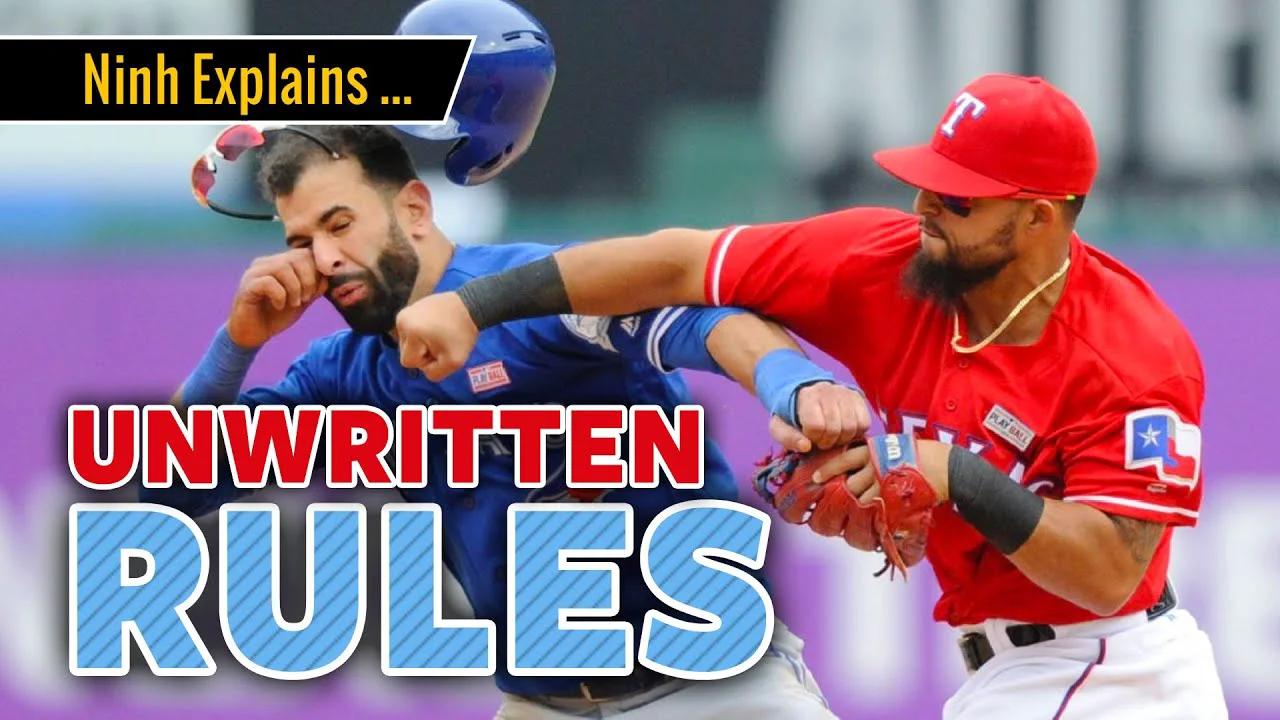
Ever attended a baseball game? You’ve noticed it’s more than just swinging a bat or throwing a ball. There’s an unspoken language, a silent understanding between players and fans. You’ve seen the hand signals, the glove positions, maybe even the specific way a pitcher winds up. These aren’t always written in the rulebook. They form the ‘unwritten rules’ – a unique conversation specific to the diamond. Think of it as baseball’s secret handshake. The question that naturally arises, especially in a sport that prides itself on strategy and precision, is: when did these conventions emerge, and what purpose do they truly serve? Perhaps, more critically for any enthusiast, which of these modern seemings quirks still hold weight? It suggests that the field, in many ways, is less about raw numbers and more about ritual, an unseen challenge embedded in every swing, every catch.
The Historical Echo: Where Did These Customs Come From?
Unearthing the roots of baseball’s unwritten code is like tracing a labyrinthine path through decades of gameplay. Contrary to the impression created by simple anecdotes, these practices didn’t burst fully formed into the 19th century. They germinated incrementally, born from necessity, ingenuity, and perhaps a touch of mutual deference within the player hierarchy. Early forms of signals between pitcher and catcher existed almost as soon as the fundamental rules solidified, evolving from simple visual cues to the complex lexicon used today. Why? Imagine the chaos if every pitcher threw haphazardly. Coordinated defense needed a language understood across the crease, before the formal system integrated into the official rules.
Similarly, the specific positioning of arms or hands in signals – the mitt for nothing signal, the fingers-up or down hand signal – didn’t invent elaborate secrecy overnight. In an era where external distractions were common (and umpires less intrusive), subtle body language offered a reliable method of communication less obvious to third parties or eavesdroppers. Defensive alignment, beyond just positioning players (infield v. outfield), involved reading tells about the batter, the location of the pitch, or even anticipating potential signs. The unwritten rule here isn’t so much about concealment as about efficient, near instantaneous, team coordination – a challenge for any cohesive unit stepping into the batter’s box pressure cooker.
Function Over Form: What Do These Rules Actually Do?
While the origin story provides a backdrop, the real intrigue lies in why. Why does such a system persist? Why are there nuanced ways to handle such simple things as stepping out of the box or catching the ball cleanly? In essence, baseball’s unwritten rules function to optimize the game for efficiency and smooth execution. They are about reducing friction, minimizing errors born from lack of communication, and preserving the beautiful, strategic purity of play.
Consider the catcher: positioned behind the plate, the catcher has limited visibility compared to other players. The catcher relies on signals to understand the pitcher’s intentions, deciphering a complex offensive strategy into discrete actions. Beyond the pitch-calling, signals can subtly communicate defensive adjustments or even relay information about opposing batters’ tendencies. These are intricate challenges, amplified by the speed and pressure of a live game. The unwritten aspect fosters reliability and minimizes the chance of costly, visible missteps.
On the field, subtle cues govern transitions. The exact moment when an infielder shifts on a pitch (without official signals) often relies on practiced eye contact or subtle indicators from teammates, avoiding on-field conversations that could disrupt the flow or compromise strategy. Similarly, specific “poses” or preparations before pitches (a pitcher’s grip selection, a baserunner’s stance upon stealing) are honed rituals, internalized muscle memory. These actions, often deemed unwritten, address the constant internal challenge: execute flawlessly under pressure. Adherence becomes a mark of professionalism and team integration. Deviating from a familiar, subtle cue could introduce an unnecessary variable into a finely tuned machine.
Essential Etiquette: Unwritten Rules That Truly Still Matter
In a sport subject to constant scrutiny and rule evolution, the unwritten rules represent something different. Some conventions, once established, have formed an indispensable part of the game’s operational fabric, transcending time. These aren’t mere quirks; they are essential facets of professional conduct and effective teamwork. Perhaps none illustrate this more than the reverence shown towards the game itself – the need for specific actions and focus before, during, and after play.
The requirement for players to wear an undershirt, often a specific color, serves a purpose beyond team branding. It aids in quickly donning or changing equipment – especially when protective gear, like a helmet, is needed between offensive and defensive stints. While this might seem trivial to some, it reflects a crucial operational detail, a nod to the logistical challenge of multi-tasking players covering both sides of the field efficiently.
More visibly, the expectation that a batter remain focused and quiet, even upon making contact with a pitch, is fundamental. This isn’t just about respect for opponents; it’s about maintaining the game’s rhythm and flow. Distractions or prolonged interaction after a swing, especially if missed (the batter’s subsequent demeanor and pace returning to the box) can disrupt the pitcher’s rhythm or unnerve teammates. It speaks to an unwritten challenge of professional discipline and mental fortitude on the brink of athletic action.
Perhaps most central is the “team” concept embedded in every action, often through subtle cues. The ritual of acknowledging a runner stealing, a fielder fielding cleanly, or even a successful stolen base with a specific, often wordless gesture (a pump fist or look) reinforces team unity against a common objective. It acknowledges shared effort and validates teammates, fostering cohesion – a critical component of any winning team, addressing the inherent challenge of maintaining collective focus amidst individual performance pressure.
Breaking the Code? Exceptions and Evolution
It would be unrealistic, bordering on wishful thinking, to suggest baseball exists in a state of static, bound by every historical whim. While core unwritten elements provide consistency, baseball, like all human endeavors, adapts. Some previously emphasized customs have faded or become optional, often coinciding with tactical shifts or evolving societal norms. For instance, certain highly visible team signals across the infield are now less common in specific strategic schemes or due to minor league rule adaptations.
Furthermore, interpretations and adherence can vary significantly. Some customs serve primarily as a subtle team language, understood by participants but meant less for external consumption. Others reflect evolving views on player conduct, such as the nuanced handling of personal trash-talking from the opposing dugout. Adherence is often a judgment call based on team culture and specific situations.
Embracing the Ritual: Why Understanding Matters
To truly appreciate the depths of baseball, one must acknowledge the weight of its traditions. These unwritten rules are not obstacles, but vital components of the game’s charm, efficiency, and professional integrity. They add layers of depth, communicating more than mere technical execution. They embody shared history, unwritten codes of conduct, and the intricate dance between strategy and ritual.
For players, understanding is crucial for seamless team operations and personal professional growth. For fans, recognizing these customs and subtleties enriches the viewing experience, transforming games from simple spectator sports into narratives steeped in tradition. It elevates baseball beyond statistics, to a realm where nuanced understanding is a marker of respect and genuine appreciation. The unwritten code might remain largely internal, but its existence underscores the unique character and enduring complexity of America’s pastime. Understanding its intricate whispers allows one to connect more deeply with the sport’s essence.