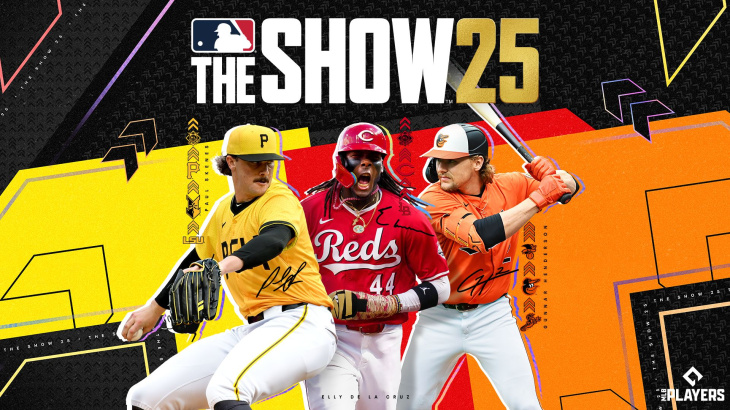
As the digital dust settles from the announcement of MLB The Show 25, a familiar question echoes through gaming forums and social media timelines: Will it grace Xbox Game Pass? The absence of a “Day One” Game Pass inclusion—despite the game’s March release—has sparked speculation, frustration, and a deeper curiosity about the evolving relationship between sports simulations and subscription services. This isn’t just about access; it’s about the shifting tectonics of how we consume interactive entertainment, where exclusivity, value, and player expectations collide in a high-stakes game of digital chess.
The Game Pass Paradox: Why Sports Titles Lag Behind
At first glance, the omission of MLB The Show 25 from Xbox Game Pass seems counterintuitive. After all, Microsoft’s subscription service has become a cornerstone of its gaming ecosystem, offering a curated library of titles that redefine value for players. Yet sports games—particularly MLB The Show—have historically been conspicuous by their absence. The reasons are multifaceted, rooted in a complex interplay of licensing, business models, and the unique lifecycle of sports simulations.
Unlike narrative-driven titles with finite development cycles, sports games operate on an annual release schedule, often tied to real-world sports seasons. This creates a paradox: while Game Pass thrives on perpetual access, sports games are designed to be ephemeral, their relevance tied to the current season’s rosters, mechanics, and meta. Publishers like Sony’s San Diego Studio must balance the allure of immediate inclusion with the risk of diluting a product’s perceived value. Adding a game to Game Pass mid-cycle could undermine its Day One sales, a gamble few are willing to take.
Historical Precedents: A Pattern of Exclusion
To understand the current landscape, one must examine the past. MLB The Show has never been part of Game Pass, despite its consistent presence on Xbox platforms. This isn’t an oversight—it’s a deliberate strategy. The game’s publisher, MLB Advanced Media, has historically prioritized traditional sales models, leveraging the annual release cycle to drive revenue through pre-orders, microtransactions, and collector’s editions. Game Pass, with its emphasis on accessibility and affordability, doesn’t align with this model.
Other sports franchises tell a similar story. FIFA (now EA Sports FC) and NBA 2K have also steered clear of Game Pass, opting instead for partnerships with platforms like EA Play or PlayStation Plus. The reasoning is twofold: first, these games rely heavily on online multiplayer ecosystems, where player engagement and monetization are critical. Second, the inclusion in a subscription service could cannibalize revenue from these microtransactions, which often dwarf base game sales. In essence, sports games are less about one-time purchases and more about sustained engagement—a model that clashes with Game Pass’s ethos.
The March Release: A Strategic Misalignment?
The timing of MLB The Show 25’s release—March—further complicates its potential inclusion in Game Pass. Unlike holiday-season titles, which benefit from a glut of new releases and consumer spending, March is a relative dead zone in the gaming calendar. This presents a conundrum: would Game Pass benefit from adding a mid-cycle title, or would it dilute the service’s perceived value by introducing a game with limited shelf life?
Consider the lifecycle of a sports game. By the time MLB The Show 25 hits its stride in April and May—coinciding with the start of the MLB season—Game Pass subscribers may have already moved on to other titles. The game’s relevance peaks during the season, then wanes as the year progresses, leaving Game Pass with a title that’s either perpetually outdated or requires constant updates to remain viable. This temporal mismatch makes sports games a poor fit for a service designed for long-term engagement.
Player Expectations vs. Publisher Realities
For many gamers, the absence of MLB The Show 25 from Game Pass feels like a missed opportunity. The service has become a sanctuary for players seeking to explore new genres without financial commitment, and sports games—often pigeonholed as niche—could benefit from this exposure. Yet the reality is more nuanced. Players who crave sports simulations are often already invested in the ecosystem, purchasing annual iterations regardless of platform exclusivity. For them, Game Pass is a bonus, not a necessity.
Publishers, meanwhile, are acutely aware of the risks. Adding a sports game to Game Pass could alienate core fans who expect to support the franchise through traditional means. It could also create a precedent, encouraging other publishers to demand similar inclusion deals—deals that Microsoft may not be willing to strike. The fear isn’t just about lost revenue; it’s about losing control of the narrative around a game’s value and longevity.
Alternative Paths: Could MLB The Show 25 Find a Home Elsewhere?
If Game Pass remains out of reach, where else might MLB The Show 25 find a home? The most likely candidate is EA Play, Microsoft’s answer to publisher-specific subscription services. EA Play already includes titles like Madden NFL and FIFA, making it a natural fit for MLB The Show. Alternatively, the game could leverage Sony’s PlayStation Plus, where it has historically been included as part of the Instant Game Collection for PlayStation Plus Premium subscribers.
Another possibility is a standalone trial or demo within Game Pass, offering limited access to the game’s core features without a full inclusion. This would allow Microsoft to showcase the game’s value while mitigating the risks of full integration. Such a move would align with Game Pass’s broader strategy of using demos and trials to drive engagement and conversions.
The Deeper Implications: Subscription Services and the Future of Sports Gaming
The question of MLB The Show 25’s inclusion in Game Pass transcends the game itself. It reflects a broader tension in the gaming industry: the clash between subscription-based models and the traditional sales-driven approach. Sports games, with their annual cycles and reliance on microtransactions, are uniquely positioned to challenge this dynamic. Their absence from Game Pass isn’t just about one game—it’s about the future of how we consume interactive entertainment.
As subscription services continue to evolve, we may see a shift in how sports games are integrated. Publishers might experiment with hybrid models, offering limited-time inclusions or tiered access to balance revenue and engagement. Alternatively, we could see the rise of sports-specific subscription services, catering to the niche but passionate audience that drives these games’ success.
For now, the answer remains elusive. MLB The Show 25 will launch in March, and players will flock to it regardless of its presence in Game Pass. But the question lingers: as gaming culture becomes increasingly subscription-driven, will sports games adapt, or will they remain outliers in a rapidly changing landscape?