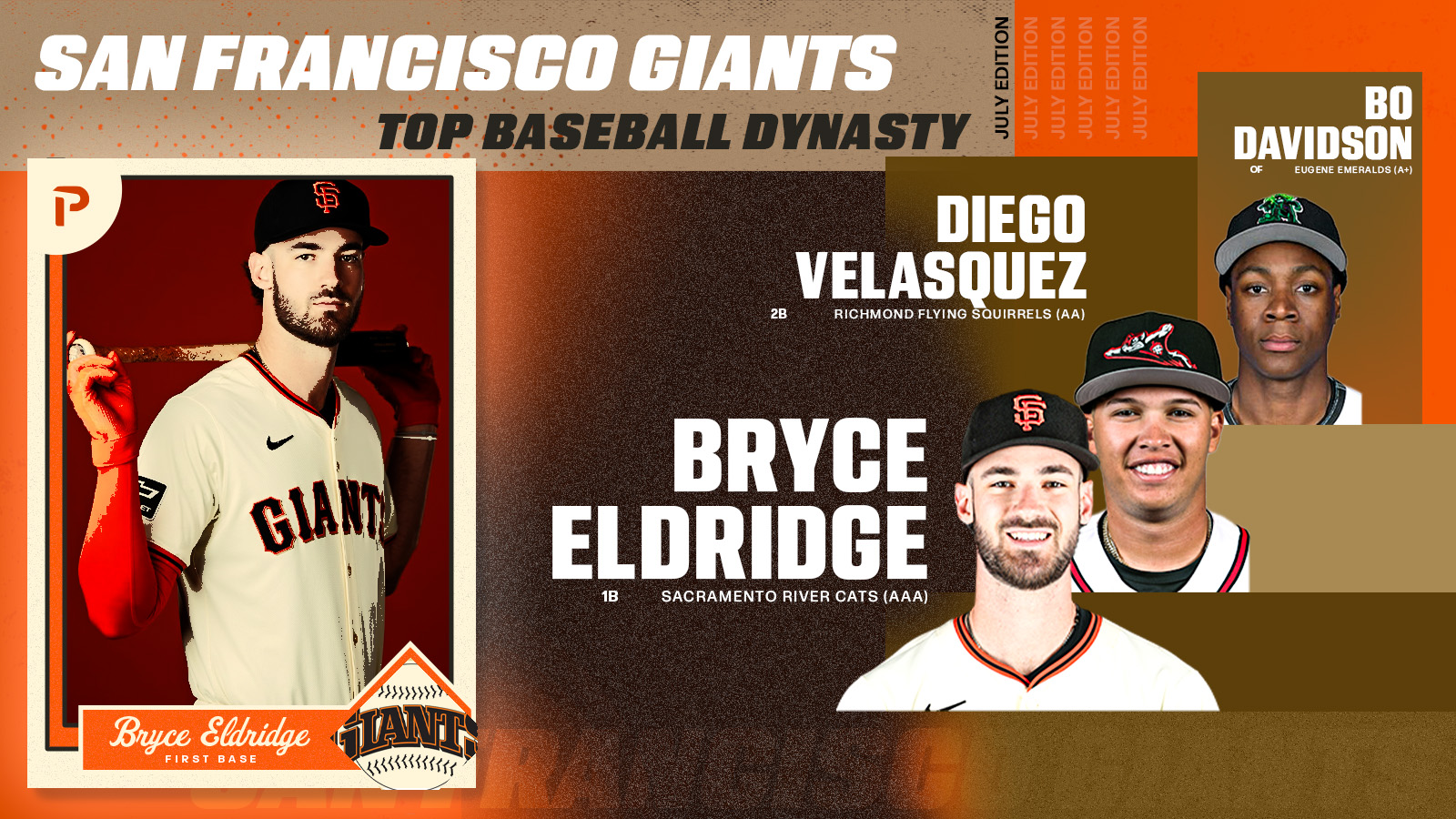
The San Francisco Giants’ 2010–2012 rosters were not merely collections of players; they were alchemical concoctions, where raw talent, tactical brilliance, and unshakable camaraderie fused into something legendary. These were the years when the franchise’s identity crystallized—when a team of underdogs, bound by shared purpose, transformed into a dynasty that would etch its name into baseball’s pantheon. The blueprint they forged wasn’t just about wins and losses; it was a masterclass in resilience, adaptability, and the kind of chemistry that turns a locker room into a crucible of greatness.
The Core: A Tapestry of Talent and Tenacity
The heart of this dynasty was a nucleus of players who embodied the spirit of the Giants. At the helm stood Buster Posey, the cerebral catcher whose bat and leadership redefined the role of a modern backstop. His ability to marshal a pitching staff while delivering clutch hits was the cornerstone of the team’s success. Surrounding him was a constellation of stars—Madison Bumgarner, the left-handed leviathan whose postseason heroics would become the stuff of lore; Tim Lincecum, the “Freak,” whose whirlwind delivery baffled hitters like a magician’s sleight of hand; and Matt Cain, the stoic ace whose perfect game in 2012 was the poetic culmination of years of dominance.
Yet, the true magic lay in the depth of the roster. Players like Pablo Sandoval, the “Kung Fu Panda,” whose prodigious power and quirky charm made him a fan favorite, and Hunter Pence, the energetic outfielder whose relentless hustle injected life into every game, were the unsung heroes who turned potential into dominance. Even role players like Marco Scutaro and Gregor Blanco played pivotal roles, their timely contributions often the difference between victory and defeat.
The Pitching Staff: A Fortress of Precision
The Giants’ pitching staff in these years was less a unit and more a well-oiled machine, where every cog—from the rotation to the bullpen—moved with mechanical precision. Bumgarner, Lincecum, and Cain formed a triumvirate of aces, each bringing a distinct flavor to the mound. Bumgarner’s towering frame and ice-cold demeanor made him a bulwark in high-pressure moments, while Lincecum’s unorthodox delivery and blistering fastballs left hitters grasping at air. Cain, the steady hand, anchored the rotation with a fastball that seemed to hum with inevitability.
The bullpen was no less formidable. Sergio Romo, with his devastating slider, became the closer of choice, his high-waisted pants and unorthodox delivery a visual metaphor for the team’s unconventional brilliance. Jeremy Affeldt, the left-handed specialist, and Santiago Casilla, the fiery closer, provided the late-inning firepower that stifled opponents. Together, they formed a bullpen that was less a group of individuals and more a hydra—cut off one head, and two more would rise to take its place.
The Offensive Engine: Power, Patience, and Panache
The Giants’ offense in these years was a study in contrasts—brute force married to tactical patience. Sandoval’s prodigious left-handed swing was a force of nature, while Posey’s ability to drive in runs with a single swing made him the linchpin of the lineup. Pence’s aggressive approach at the plate, combined with his infectious energy, kept the offense humming, while Brandon Belt and Brandon Crawford provided timely hitting and defensive stability.
What set this lineup apart was its adaptability. The Giants were never a team that relied solely on home runs; instead, they thrived on small-ball tactics, stolen bases, and the kind of situational hitting that turned close games into masterpieces. Their ability to manufacture runs was a testament to their baseball IQ, a quality that separated them from the power-hungry squads of the era.
The Glue: Culture and Chemistry
If talent was the engine of the Giants’ dynasty, culture was its fuel. This was a team that understood the power of unity, where cliques were nonexistent, and every player—from the stars to the benchwarmers—felt valued. The camaraderie was palpable, a brotherhood forged in the crucible of adversity. The team’s refusal to fold under pressure, even in the face of daunting deficits, was a reflection of this unbreakable bond.
Managers like Bruce Bochy played a pivotal role in cultivating this environment. His calm demeanor and tactical acumen allowed the players to thrive without the weight of micromanagement. The Giants’ culture was one of mutual respect, where egos were checked at the door, and the collective good always took precedence over individual glory.
The Postseason Alchemy: Turning Pressure into Gold
The Giants’ postseason runs in 2010, 2012, and 2014 were not just victories; they were alchemical transformations, where pressure and adversity were transmuted into triumph. In 2010, they overcame a 3-1 deficit against the Braves in the NLDS, a feat that foreshadowed their resilience. The 2012 World Series was a masterclass in clutch performance, with Pablo Sandoval carving his name into history with a three-homer game in Game 1, and Bumgarner delivering a 10-inning shutout in Game 7 to cement his legacy.
These postseason runs were not just about skill; they were about heart. The Giants thrived in the crucible of high-stakes baseball, their performances a testament to their mental fortitude. They played with a swagger that bordered on arrogance, a confidence that bordered on invincibility. In the end, it wasn’t just their talent that carried them to glory—it was their unshakable belief in themselves and each other.
The Legacy: A Blueprint for the Ages
The Giants’ 2010–2012 rosters were more than a team; they were a blueprint for success, a roadmap for turning potential into dominance. Their story is one of perseverance, adaptability, and the kind of chemistry that turns a group of players into a family. The lessons they impart—about leadership, culture, and the power of unity—are timeless, a reminder that in baseball, as in life, greatness is not achieved by talent alone, but by the bonds that tie a team together.
Their legacy endures, a beacon for future generations of players and fans alike. The Giants’ dynasty was not just about winning; it was about how they won—with grace, with grit, and with an unyielding belief in the power of teamwork. In the annals of baseball history, their story stands as a testament to the fact that the greatest teams are not just built on skill, but on the unbreakable bonds that transform a roster into a family.