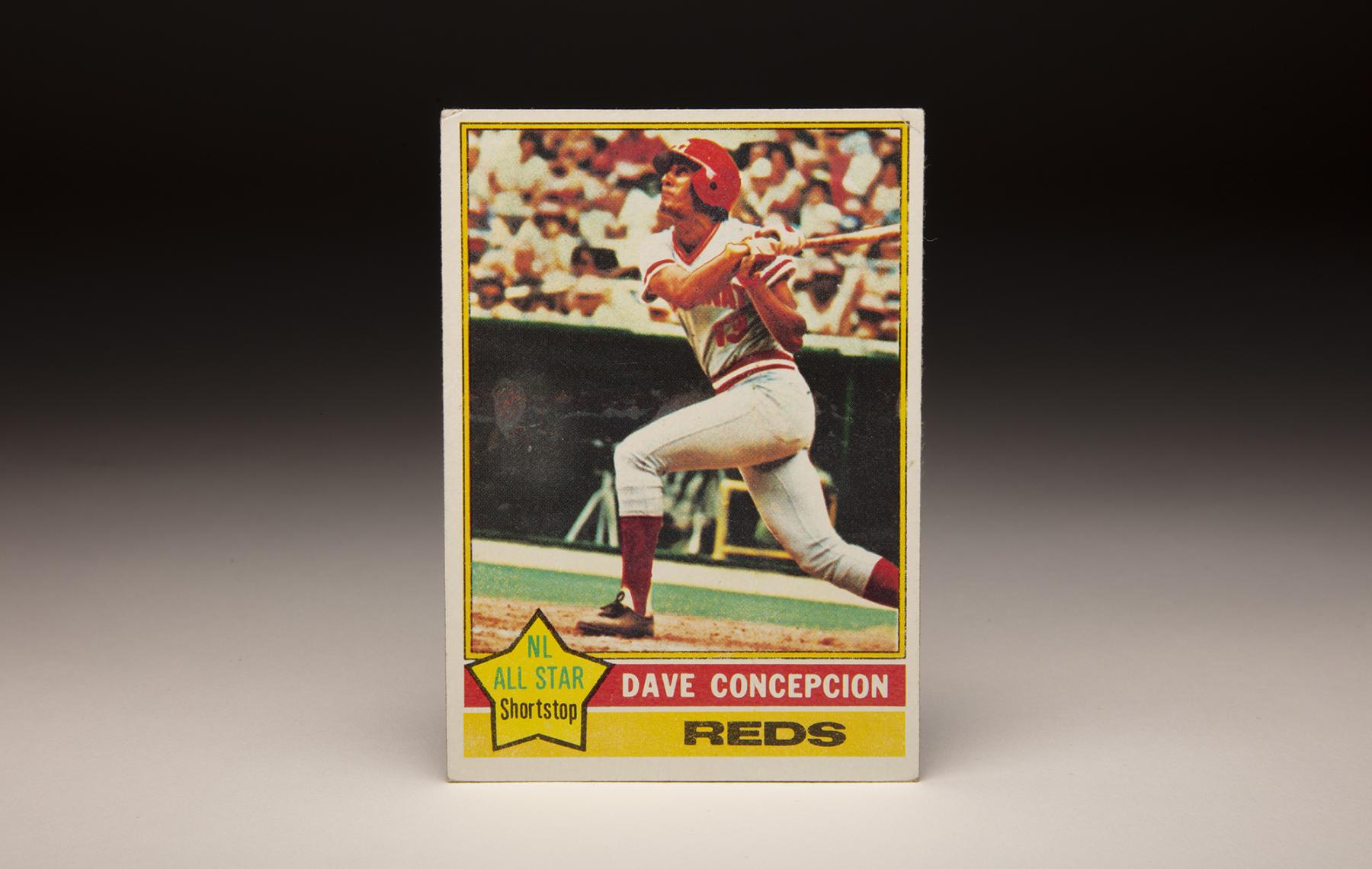
The 1976 Topps Dave Concepción baseball card is more than just a piece of cardboard—it’s a tangible slice of baseball history, a relic from an era when shortstops were the unsung generals of the infield. For collectors, this card isn’t just a nostalgic keepsake; it’s a potential investment, a conversation starter, and a window into the golden age of the National League in the 1970s. But what’s its true value in today’s market? The answer isn’t as simple as checking a price guide. It’s a nuanced dance between condition, scarcity, and the emotional pull of a player who defined an era. Whether you’re a seasoned numismatist or a casual fan with a shoebox full of cards, understanding the factors that drive the value of this particular card can mean the difference between a dusty collectible and a prized possession.
The Historical Significance of Dave Concepción
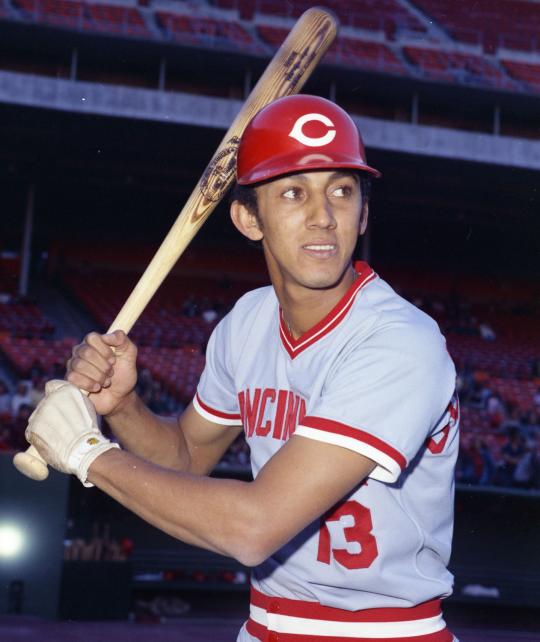
Dave Concepción wasn’t just another shortstop—he was a cornerstone of the Cincinnati Reds’ legendary “Big Red Machine,” a dynasty that dominated baseball in the mid-to-late 1970s. His tenure with the Reds spanned 19 seasons, during which he became a five-time All-Star, a two-time World Series champion, and a Gold Glove winner. Concepción’s defensive prowess and clutch hitting made him a fan favorite, and his 1976 Topps card captures him at the peak of his powers. This wasn’t just a player; it was a symbol of an era when baseball was as much about style as it was about skill. The card’s design, with its bold colors and classic Topps aesthetic, reflects the optimism and flair of the decade. For collectors, owning this card is like holding a piece of that legacy—tangible proof of a time when baseball was America’s pastime in the truest sense.
Condition: The Make-or-Break Factor
The value of a 1976 Topps Dave Concepción card is almost entirely dictated by its condition. This isn’t a card that rewards casual handling or neglect. In the world of sports card grading, condition is king, and the 1976 Topps series is notorious for its susceptibility to wear. Corners are the first to go, edges fray like the nerves of a rookie in his first big-league at-bat, and centering—oh, centering—can be as elusive as a perfect game. A card in “Gem Mint” condition, graded 10 by PSA or BGS, can fetch thousands, while one graded “Excellent” (5) might struggle to break double digits. The difference between a 9 and a 10 isn’t just incremental; it’s exponential. For collectors, this means that even the slightest imperfection—a tiny crease, a speck of surface wear—can plummet the card’s value into the realm of the mundane. Investing in professional grading isn’t just recommended; it’s essential if you’re serious about maximizing value.
But condition isn’t just about what you can see. It’s also about what you can’t. The back of the card, often overlooked, holds its own secrets. A card with a perfectly centered image but a slightly off-center stat line on the reverse can still lose points in grading. The paper quality of Topps cards from this era is notoriously thin, making them prone to bending or warping if not stored properly. Humidity, sunlight, and even the oils from your fingers can degrade the card over time. For those looking to preserve their Concepción card, a rigid one-touch holder, climate-controlled storage, and handling with cotton gloves are non-negotiables. The market doesn’t just reward perfection—it demands it.
Grading and Authentication: The Gatekeepers of Value
In the high-stakes world of sports card collecting, grading is the great equalizer. Third-party grading companies like PSA (Professional Sports Authenticator), BGS (Beckett Grading Services), and SGC (Sportscard Guaranty) act as the arbiters of value, their slabs of plastic and paper serving as a seal of approval—or condemnation. For the 1976 Topps Dave Concepción card, a high grade isn’t just desirable; it’s a prerequisite for serious consideration. A PSA 10, for instance, can command prices that dwarf those of lower-graded copies, sometimes selling for over $1,000 in auctions. But grading isn’t a one-size-fits-all proposition. Different companies have different standards, and a card graded 9 by PSA might only receive an 8.5 from BGS. The nuances matter, especially when the difference between a 9 and a 10 can mean the difference between a profitable sale and a heartbreaking loss.
Authentication is another layer of the process, ensuring that the card isn’t a clever forgery. The 1976 Topps set is well-documented, but that doesn’t stop counterfeiters from trying their hand at duplicating its iconic design. A card with ink that smudges, a border that’s slightly off, or a font that’s just a hair too bold is a red flag. For high-value cards, buyers often request additional verification, such as a scan of the card’s serial number or a comparison with known authentic examples. The market for Concepción cards is mature enough that shady practices are rare, but they’re not unheard of. Due diligence is the collector’s best friend.
Market Trends: Where the Card Stands Today
The market for vintage baseball cards has seen a seismic shift in recent years, with prices for top-tier cards reaching stratospheric heights. The 1976 Topps Dave Concepción card is no exception. While it may not command the same prices as a 1952 Mickey Mantle or a 1986 Fleer Michael Jordan, it occupies a sweet spot for collectors who appreciate the understated elegance of the “Big Red Machine” era. Recent auction results show that high-grade copies (PSA 9 or BGS 9.5) typically sell in the $500 to $1,500 range, depending on provenance and demand. Lower-grade copies, meanwhile, can be found for as little as $50, making them accessible to casual collectors or those looking to dip their toes into the market.
The demand for Concepción cards is driven by a few key factors. First, there’s the nostalgia factor. For fans who grew up watching the Reds dominate the National League, the card is a tangible connection to their childhood. Second, there’s the scarcity factor. While the 1976 Topps set was mass-produced, high-grade examples of Concepción’s card are far rarer than their lower-graded counterparts. Finally, there’s the player’s legacy. Concepción may not be a household name like Pete Rose or Johnny Bench, but his contributions to the Reds’ success are undeniable. As the market for vintage cards continues to evolve, cards like Concepción’s are poised to benefit from the growing appreciation for mid-tier Hall of Famers and All-Stars from the 1970s.
It’s worth noting that the market for Concepción cards isn’t immune to fluctuations. Economic downturns, changes in collecting trends, and the emergence of new stars can all impact prices. However, the card’s historical significance and the enduring appeal of the “Big Red Machine” suggest that it will remain a sought-after piece for years to come. For collectors, the key is to buy smart—focus on condition, verify authenticity, and be patient. The market may be volatile, but the right card, held in the right condition, will always find a buyer.
Where to Buy and Sell: Navigating the Marketplace
For those looking to buy or sell a 1976 Topps Dave Concepción card, the marketplace is a vast and sometimes treacherous landscape. Auction houses like Heritage Auctions and Goldin Auctions are the gold standard for high-end sales, offering exposure to serious collectors and deep pockets. Online marketplaces like eBay and COMC (Check Out My Cards) provide a more accessible platform, though they require a keen eye for detail to avoid scams or misrepresented items. Local card shops and shows can also be a goldmine, especially for those looking to build relationships with dealers who might offer fair prices or insider knowledge.
When selling, timing is everything. The market for vintage cards tends to peak during the summer months, when baseball fever is at its highest, and around the holidays, when collectors are looking for gifts. For buyers, patience is key. High-grade cards don’t come on the market every day, and when they do, competition can be fierce. Setting up alerts on auction sites, following key dealers on social media, and joining collector forums can give you an edge. It’s also wise to diversify your sources—don’t rely solely on one platform or dealer. The best deals often come from unexpected places.
Another consideration is the role of grading companies in the buying process. Some sellers offer “raw” cards, ungraded and unprotected, at a lower price point. While this can be a bargain for experienced collectors who trust their own grading skills, it’s a gamble for those new to the hobby. A raw card might look fine in photos, but the reality could be far different once it’s in hand. For most collectors, the peace of mind that comes with a professionally graded card is worth the premium.
The Future of Concepción’s Card: A Collector’s Bet
The 1976 Topps Dave Concepción card is more than a collectible; it’s a bet on the future of baseball nostalgia. As the hobby evolves, so too does the demand for cards that capture the essence of the game’s golden eras. Concepción’s card represents a bridge between the old-school charm of the 1970s and the modern resurgence of vintage collecting. For investors, it’s a relatively affordable entry point into the high-end market, with room for appreciation. For fans, it’s a piece of history to cherish. And for the market as a whole, it’s a reminder that greatness isn’t always measured in home runs or MVPs—sometimes, it’s measured in the quiet brilliance of a shortstop who made the game look effortless.
Looking ahead, the card’s value will likely be influenced by several factors. The continued growth of the vintage card market, fueled by younger collectors discovering the hobby, could drive prices higher. The potential enshrinement of Concepción in the Baseball Hall of Fame (he’s currently on the Veterans Committee ballot) could also boost his profile and, by extension, the value of his cards. On the flip side, economic downturns or a shift in collecting trends could temper demand. For now, though, the 1976 Topps Dave Concepción card remains a solid investment—a blend of history, nostalgia, and potential that’s hard to resist.
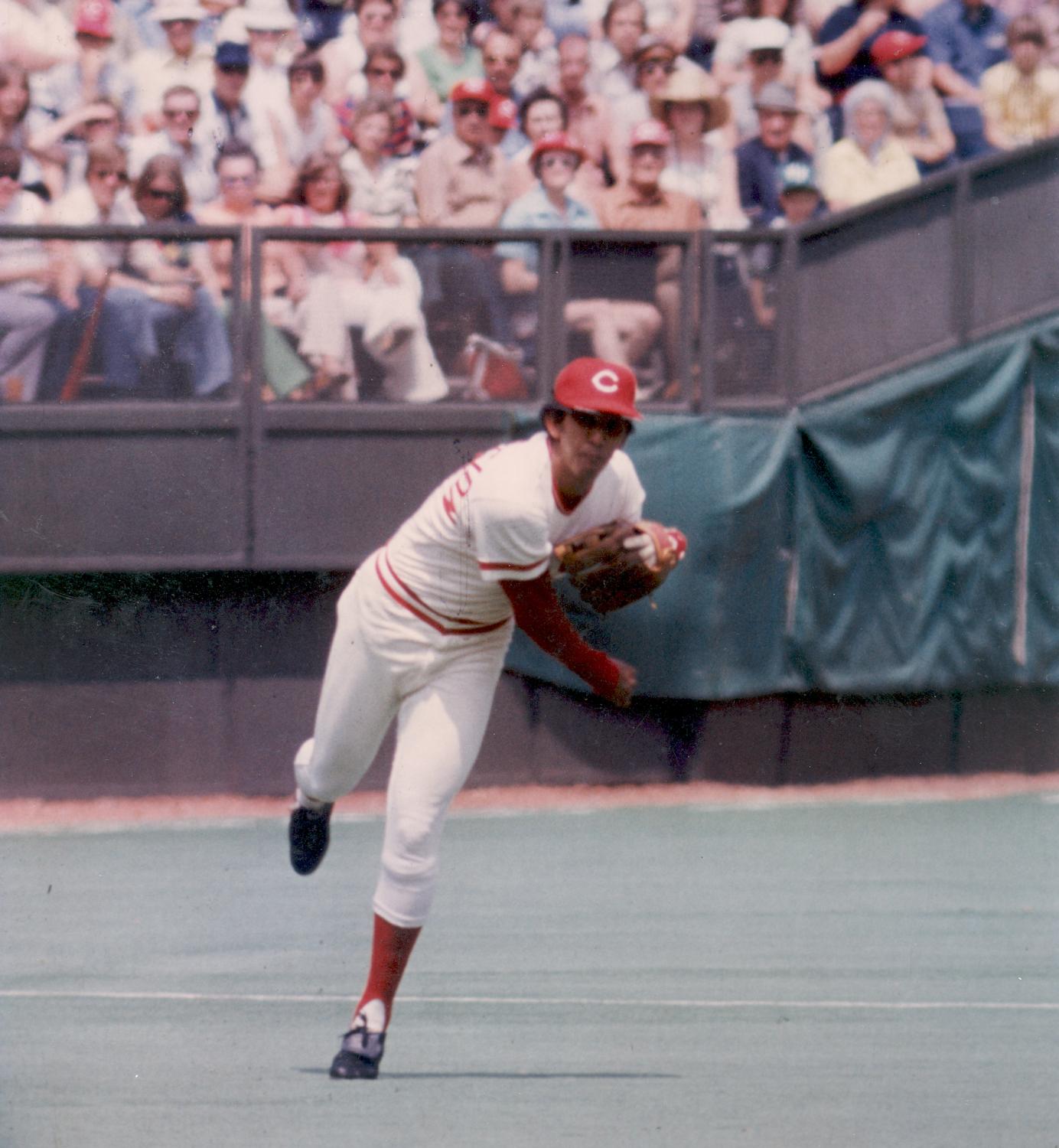
The 1976 Topps Dave Concepción card is a small square of cardboard with a big story to tell. It’s a relic of a time when baseball was as much about artistry as it was about athleticism, when a shortstop could be both a defensive stalwart and a fan favorite. For collectors, it’s an opportunity to own a piece of that legacy—a chance to hold history in their hands. Whether you’re in it for the investment, the nostalgia, or the sheer joy of the hunt, the Concepción card offers something for everyone. Just remember: condition is king, grading is your ally, and patience is your greatest asset. In a hobby where the stakes are high and the rewards are even higher, the right card, in the right hands, can become more than just a collectible. It can become a treasure.