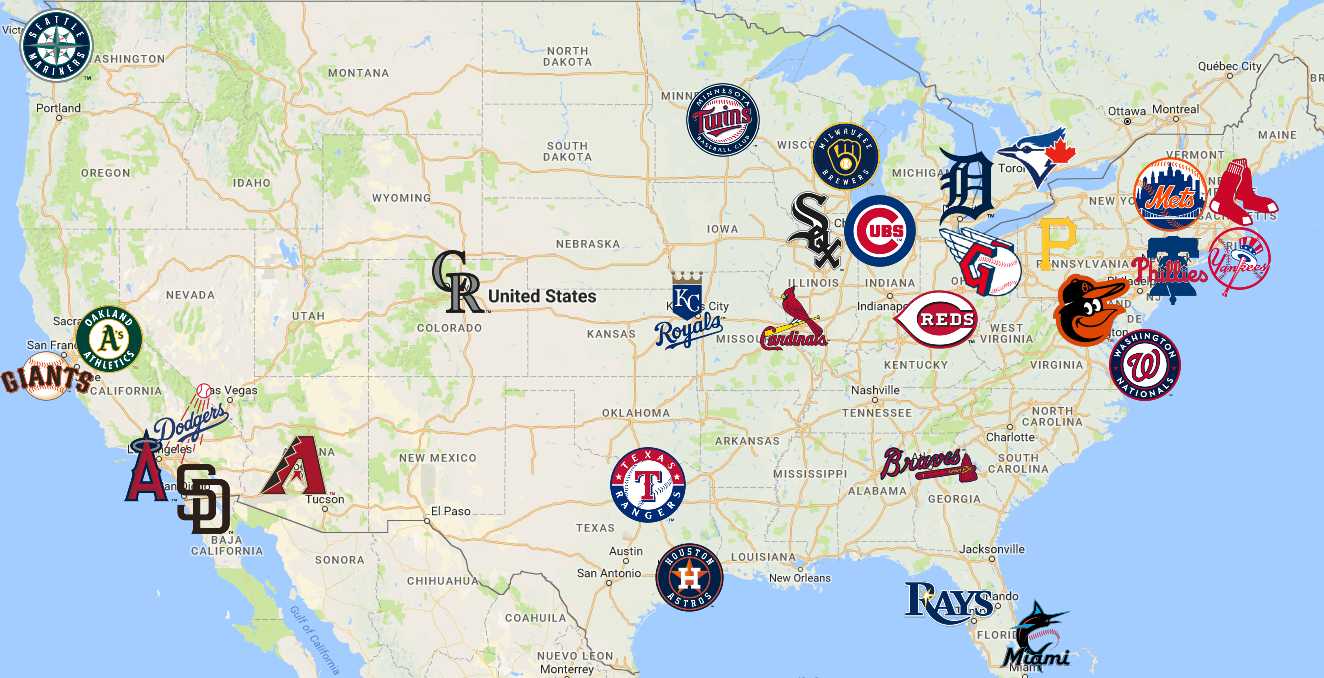
Imagine tracing the contours of American passion, etched in brick, steel, and meticulously manicured turf. This isn’t merely a geographical survey; it’s an exploration of a cultural landscape where the crack of the bat resonates with generations of dreams. A comprehensive map of Major League Baseball stadiums offers more than just pinpoint locations – it unveils a narrative of evolution, migration, and the enduring appeal of America’s pastime. This guide promises a shift in perspective, inviting you to consider the geographical and historical forces that have shaped the game we love.
The Sprawling Geography of America’s Pastime
Baseball, intrinsically linked to the American identity, has grown alongside and shaped the nation’s physical expansion. Initially concentrated in the northeastern states, the league’s subsequent proliferation reflects westward migration and the burgeoning appeal of professional sports in burgeoning metropolitan areas. The distribution isn’t arbitrary. Consider the strategic placement of teams, often reflecting population centers, industrial hubs, and areas ripe for cultivating a devoted fan base. Coastal cities vie with sunbelt havens, each stadium a monument to its unique locale; Wrigley Field’s ivy-covered walls whispering tales of Chicago grit, while Oracle Park’s stunning bay views reflect the Californian ethos. The vastness underscores the game’s accessibility and its ability to unite disparate communities under a common banner of sporting fervor.
Division by Division: A Regional Portrait
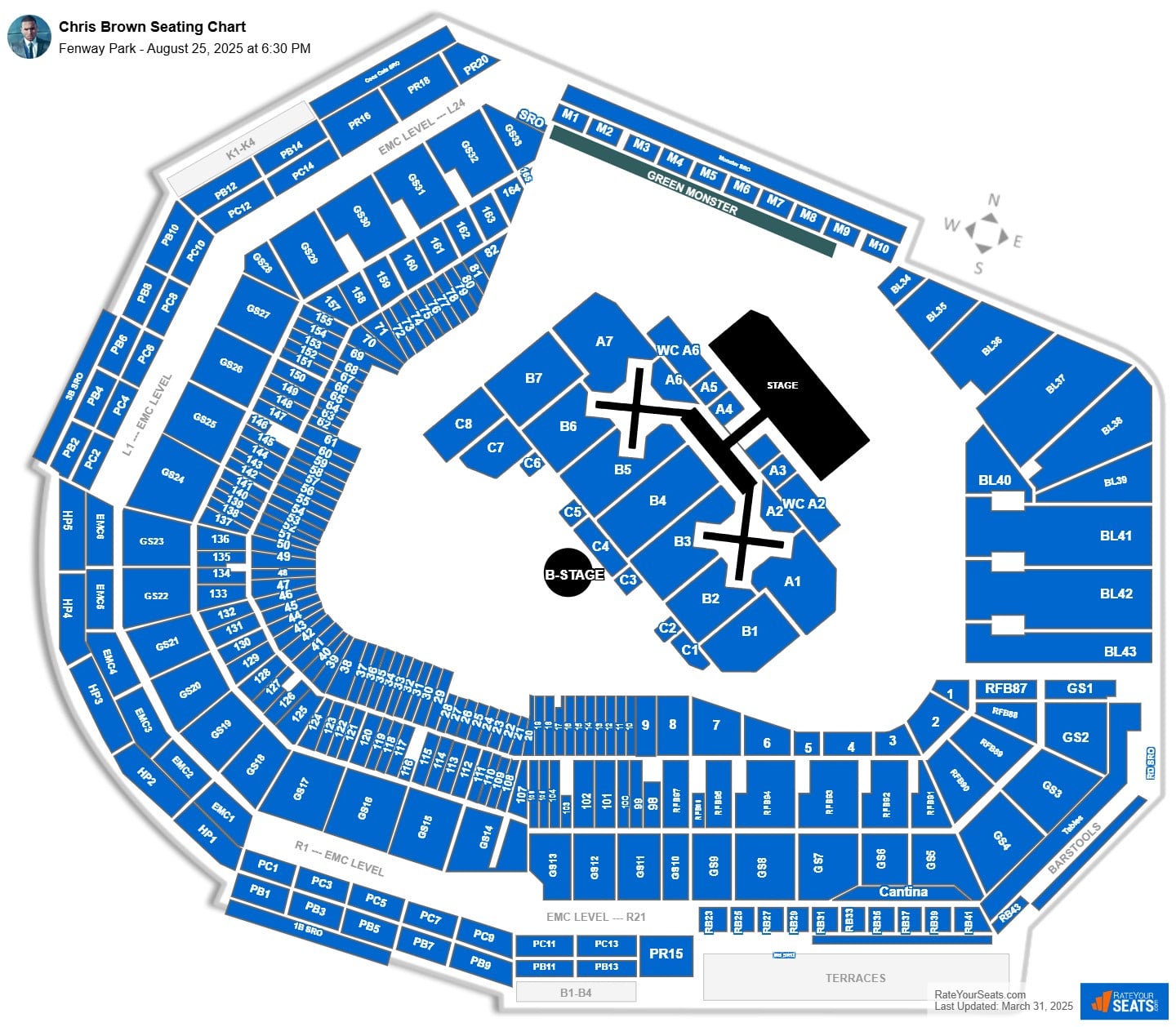
To truly appreciate the geographic tapestry of MLB, let’s navigate each division. The American League East, a crucible of competition, boasts legendary venues like Yankee Stadium in the Bronx and Fenway Park in Boston—historical anachronisms against the backdrop of modern stadium design. Across the country, the AL West, with its sprawling distances and iconic sunsets, is home to modern architectural marvels like Dodger Stadium and Chase Field. The Central divisions, both American and National, represent a microcosm of the heartland, demonstrating the profound and ubiquitous nature of baseball’s influence. These regional variations aren’t simply aesthetic differences – they represent distinct cultural identities, local traditions and a diverse fanbase.
Stadium Architecture: A Reflection of Era & Ambition
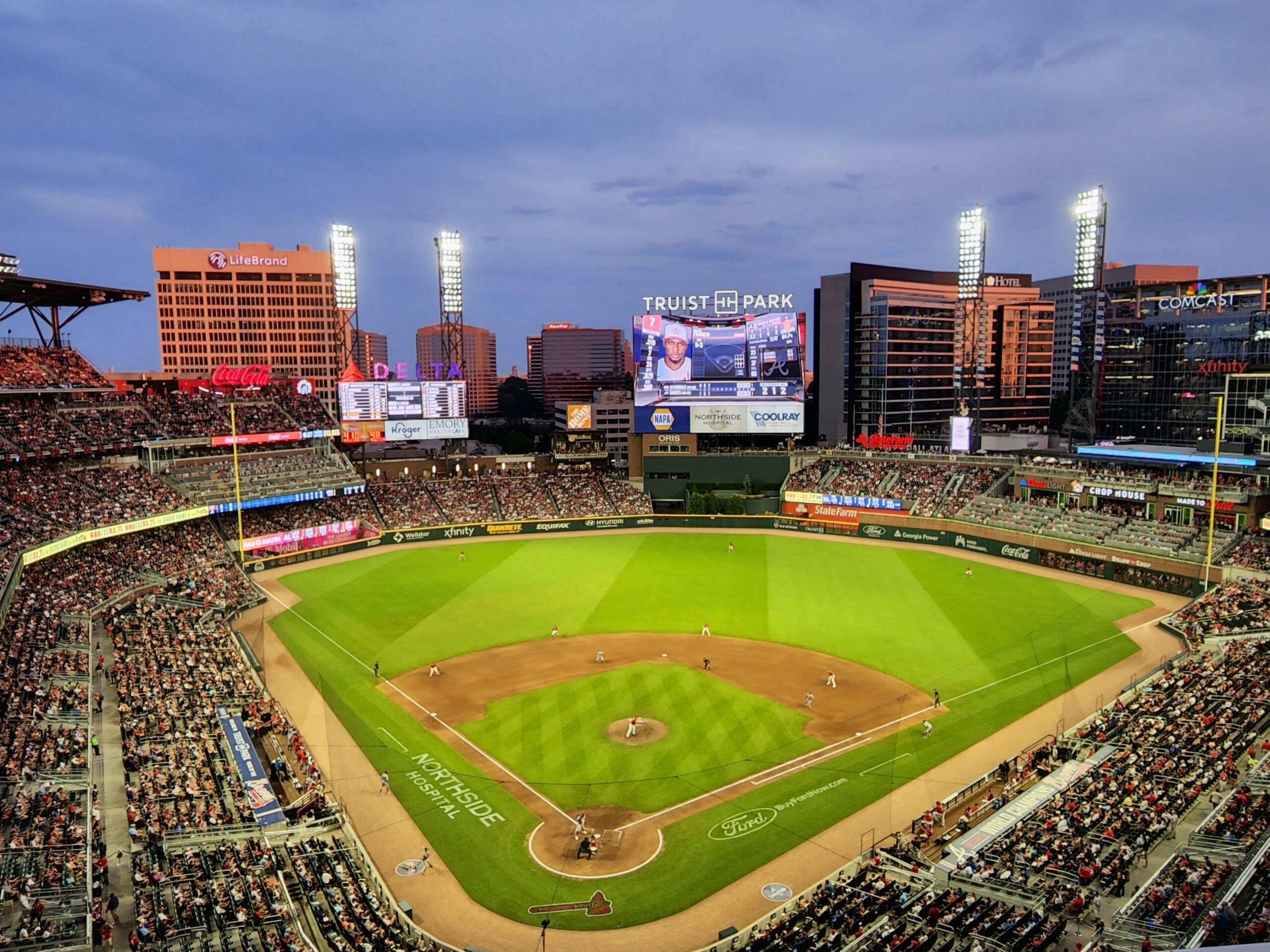
The physical structures of MLB stadiums themselves tell a compelling architectural saga. Early ballparks, think of the venerable Polo Grounds, were often utilitarian, built for function over frippery. As the game gained prominence, so did stadium extravagance; Shibe Park in Philadelphia witnessed pivotal sporting moments while offering a humble aesthetic. Modern stadiums—Petco Park, for instance—are often characterized by their integration with urban landscapes, incorporating pedestrian zones, upscale eateries, and captivating perspectives of the surrounding cityscape. The deliberate blending of entertainment and sport attempts to elevate the game viewing experience. Retro-classic designs, paying homage to baseball’s storied past, represent a poignant acknowledgment of tradition and a subtle effort to evoke nostalgia amongst devotees. Each stadium isn’t just a place to watch baseball; it’s a canvas upon which American ingenuity is displayed
Team Relocations: Following the Flow of American Demographics
The landscape of Major League Baseball isn’t static. Teams have shifted locations throughout history, mirroring population shifts and economic realignments. The Baltimore Orioles, once the St. Louis Browns, exemplify this dynamism. Similarly, the Arizona Diamondbacks’ presence speaks to the expansion of baseball into the Southwest. These relocations aren’t merely logistical maneuvers; they represent profound demographic shifts and the perennial quest for a larger, more ardent fan base. The narrative of a team migrating across the nation is intertwined with stories of economic redevelopment, civic pride, and the enduring desire to witness competitive sport.
Planning Your Baseball Pilgrimage: A Travel Guide
Embarking on a baseball pilgrimage—a journey to experience America’s ballparks—is a uniquely rewarding endeavor. Beyond the game itself, each stadium offers a unique experience, intrinsically tied to its locality. Consider the logistical challenges: distances are vast, and accommodations can swiftly become scarce; meticulous planning is, therefore, paramount. Research the local customs, sample regional specialties, and engage with the local populace. Many stadiums are strategically located near vibrant cultural districts, providing an opportunity to imbue your baseball experience with a rich tapestry of cultural exploration. Proximity to other attractions, like museums, historical sites, and gourmet restaurants, further enhances the all-round trip.
The Stadium Experience: Beyond the Ninth Inning
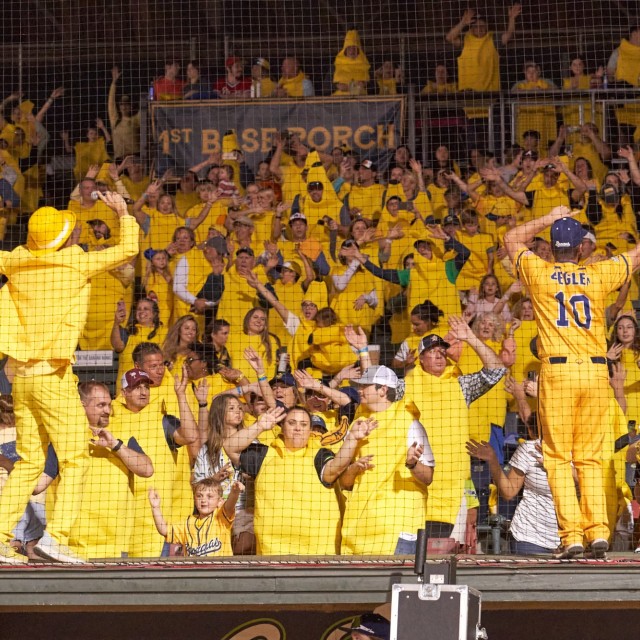
The true value of visiting an MLB stadium lies beyond the final score. It’s about immersing oneself in the shared passion of thousands, the aroma of grilled hotdogs mingling with the fervor of the crowd. It’s about appreciating the architectural nuances, the subtle rituals performed by fans, and the palpable sense of history that permeates the very foundations of these colossal structures. Consider pre-game tailgating – an event that embodies convivial companionship and communal excitement. Many parks now offer interactive exhibits, behind-the-scenes tours, and opportunities to engage with the local community. Appreciate the nuances – the particular chants, the local foods sold, and the unique idiosyncrasies that distinguish each park.
The Long View: Baseball’s Evolution and Future Locations
As American society continues to evolve, so too will the geography of Major League Baseball. The burgeoning interest in the sport in underserved markets could lead to expansion and new stadium constructions. The development of new technologies and changing fan expectations will likely influence stadium design, prompting a continual cycle of innovation and adaptation. Anticipate a future filled with experiential activations and technological integration, aimed at attracting a more digitally savvy generation of fans. The strategic positioning of future teams remains a critical consideration. This thoughtful exploration of the existing geography presents a compelling glimpse into an increasingly dynamic and ever-evolving panorama of Major League Baseball.