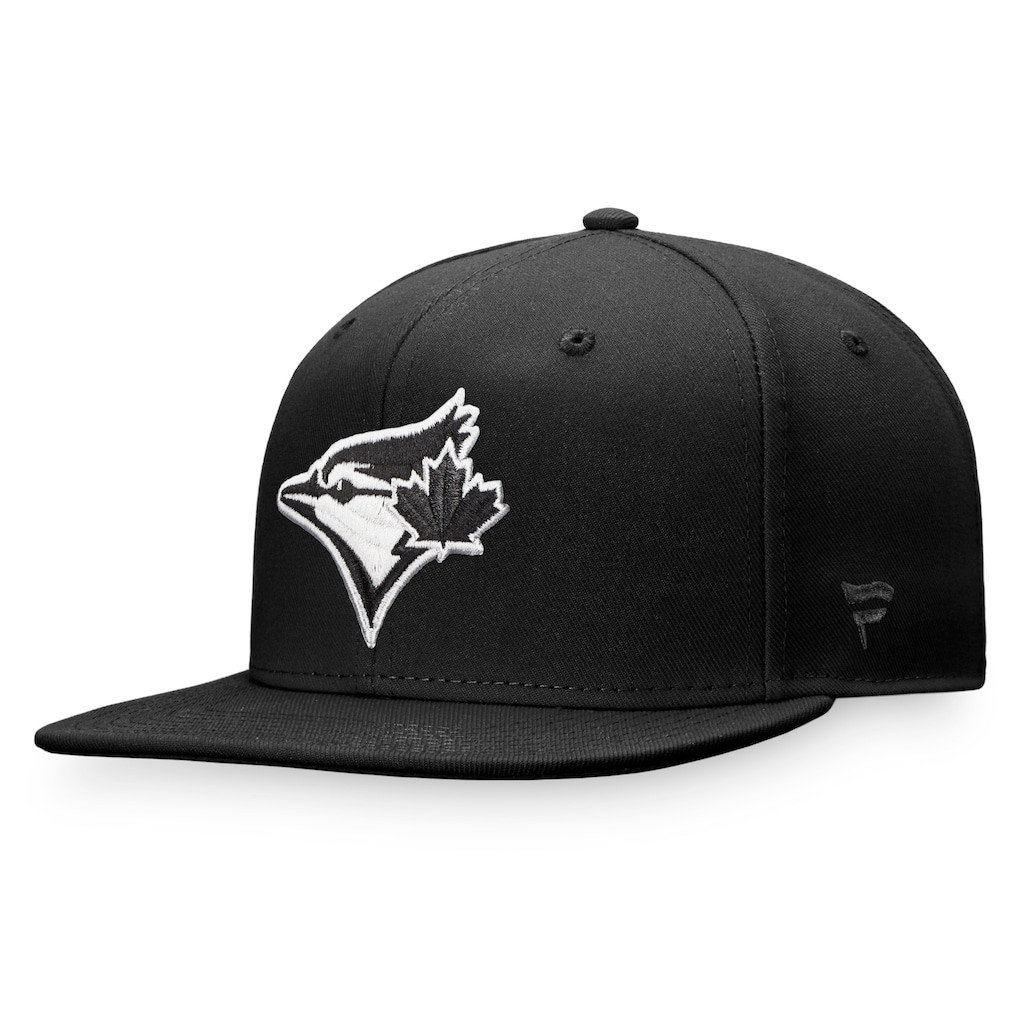
There’s a moment every baseball fan dreads—the instant you realize your prized fitted cap is swimming atop your head like a buoy in a storm. The brim sags. The snapback lies dormant. The once-crisp silhouette now resembles a deflated soufflé. You’ve done everything right: measured your head, checked the size chart, even double-knotted the strap (if it had one). Yet, the hat still feels like it belongs to your older brother who raided the clearance rack in 2012. But before you resign yourself to a life of saggy snapbacks or resort to the questionable mercy of a stretch-to-fit atrocity, consider this: your fitted hat isn’t broken. It’s just misunderstood. And with a few clever tweaks, you can transform it from a floppy liability into a snug, stylish extension of your identity.
The Illusion of a Perfect Fit: Why Your Fitted Hat Betrays You
Fitted hats are the sartorial equivalent of a tailored suit—designed to conform, not compromise. Yet, their unforgiving structure demands precision. A millimeter too loose, and the hat becomes a sagging parachute. A millimeter too tight, and your forehead becomes a human stress ball. The culprit? Often, it’s not the hat—it’s the assumption that your head is a static, unchanging landscape. In reality, hair volume, seasonal swelling, and even hydration levels can alter your cranial circumference by up to half an inch. Your fitted cap, rigid by design, doesn’t account for these fluctuations. But here’s the revelation: you don’t need to replace it. You need to outsmart it.
The Secret Life of Hat Bands: More Than Just a Stitch
Beneath the polished exterior of your fitted hat lies a humble hero: the inner band. Often overlooked, this fabric or leather strip is the unsung architect of comfort. Most fitted caps use a flat, unyielding band that does little to accommodate natural head variations. But what if you could coax it into submission? Enter the hidden elastic technique. By carefully inserting a thin, stretchable band (available at most craft stores) between the existing lining and the outer shell, you create a subtle give without compromising the hat’s structure. The result? A fit that hugs your head like a glove, even on days when your hair decides to stage a volume rebellion.
Sizing Hacks That Defy the Size Chart
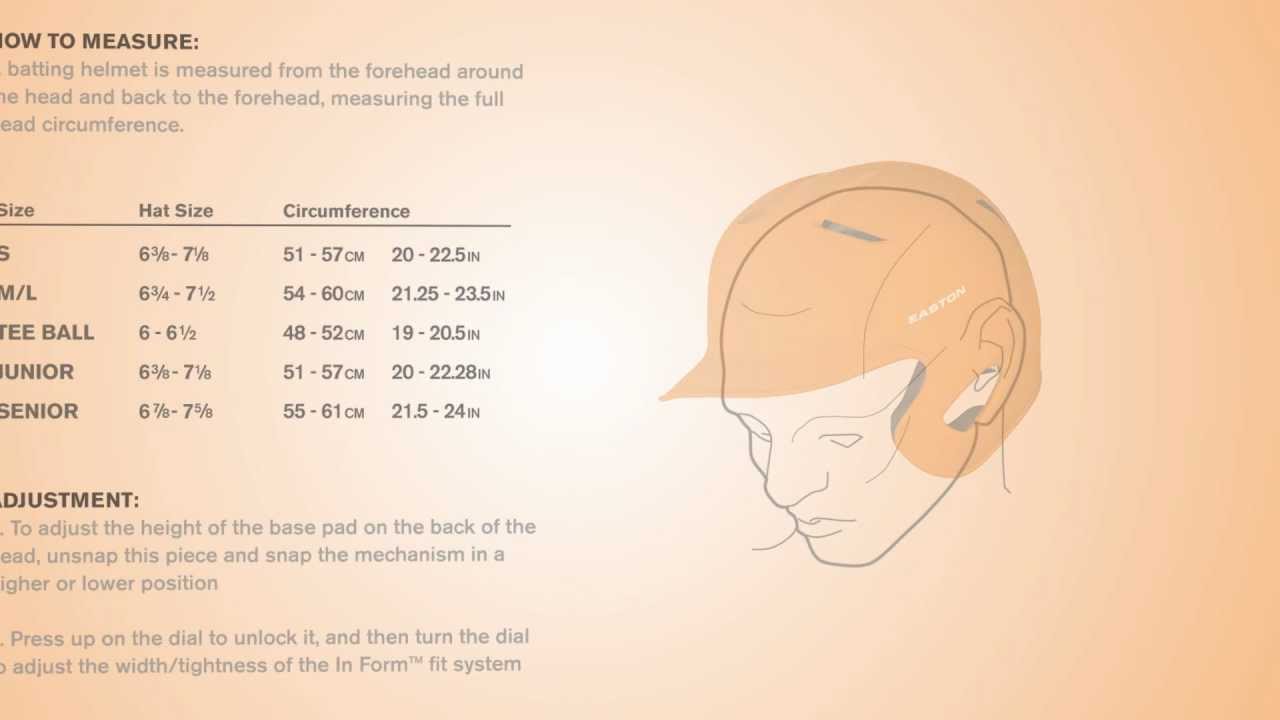
Size charts are guidelines, not gospel. They’re created in sterile lab conditions, not the chaotic reality of your morning routine. So, when your head measures 22.5 inches but the medium is 22.75, don’t panic. Instead, employ the fold-and-stitch method. Gently fold the inner seam of the hat’s band inward by a quarter-inch, then secure it with a few discreet stitches. This micro-adjustment can shave off enough bulk to make the difference between a hat that’s “almost right” and one that’s perfectly snug. For those who lack sewing skills, a dab of fabric glue can temporarily bond the fold—just be prepared to reapply as needed.
The Humidity Factor: How Weather Plays Puppet Master
Moisture is the arch-nemesis of fitted hats. On a sweltering summer day, your scalp’s natural oils and ambient humidity can cause the inner band to expand, turning your once-snug cap into a loose, wobbly lid. The solution? Desiccant diplomacy. Tuck a silica gel packet (the kind that comes in shoeboxes) inside the hat when you’re not wearing it. This silent guardian absorbs excess moisture, preserving the band’s original tension. Alternatively, store your hats in a breathable cotton bag rather than a plastic bin, where condensation becomes a silent saboteur.
Accessorize for Allure (and a Little Extra Grip)
Sometimes, the hat isn’t the problem—it’s the lack of strategic enhancements. Enter the scalp silhouette, a term borrowed from haute couture to describe the art of subtly altering your head’s profile. A thin, sweat-wicking headband worn beneath the hat can add just enough bulk to bridge the gap between your skull and the cap’s interior. For those who prefer a no-fuss approach, a strategically placed hat clip (a small, spring-loaded device that attaches to the band) can cinch the fit without altering the hat’s appearance. These clips are nearly invisible but pack a punch in terms of adjustability.
When All Else Fails: The Nuclear Option
There comes a time in every fitted hat owner’s life when compromise is the only path forward. Enter the hybrid hat, a sartorial Frankenstein’s monster of fitted precision and snapback flexibility. By carefully removing the stiff inner structure of a fitted cap and replacing it with the elasticized band of a snapback, you create a hybrid that offers the best of both worlds: the sleek silhouette of a fitted hat with the forgiving stretch of a snapback. This is a last-resort tactic, reserved for hats of sentimental value or those that refuse to play nice under any other circumstances.
The Psychological Edge: Confidence as the Ultimate Fit
Here’s the truth no one tells you: the most critical “fix” isn’t structural—it’s psychological. A hat that’s slightly too big can still look intentional if worn with swagger. The key is to tilt it just so, or to pair it with a high-ponytail or a low bun that subtly reshapes your head’s silhouette. Sometimes, the illusion of a perfect fit is more powerful than the reality. Own the sag. Make it part of your brand. After all, even the most meticulously tailored suits look better when the wearer commands attention.
Your fitted hat isn’t a lost cause. It’s a challenge, a puzzle, a silent partner in your sartorial journey. With a little ingenuity, you can bend it to your will—transforming a sagging disappointment into a snug, stylish statement. The next time you reach for your cap, remember: the power to make it fit isn’t in the hat. It’s in you.