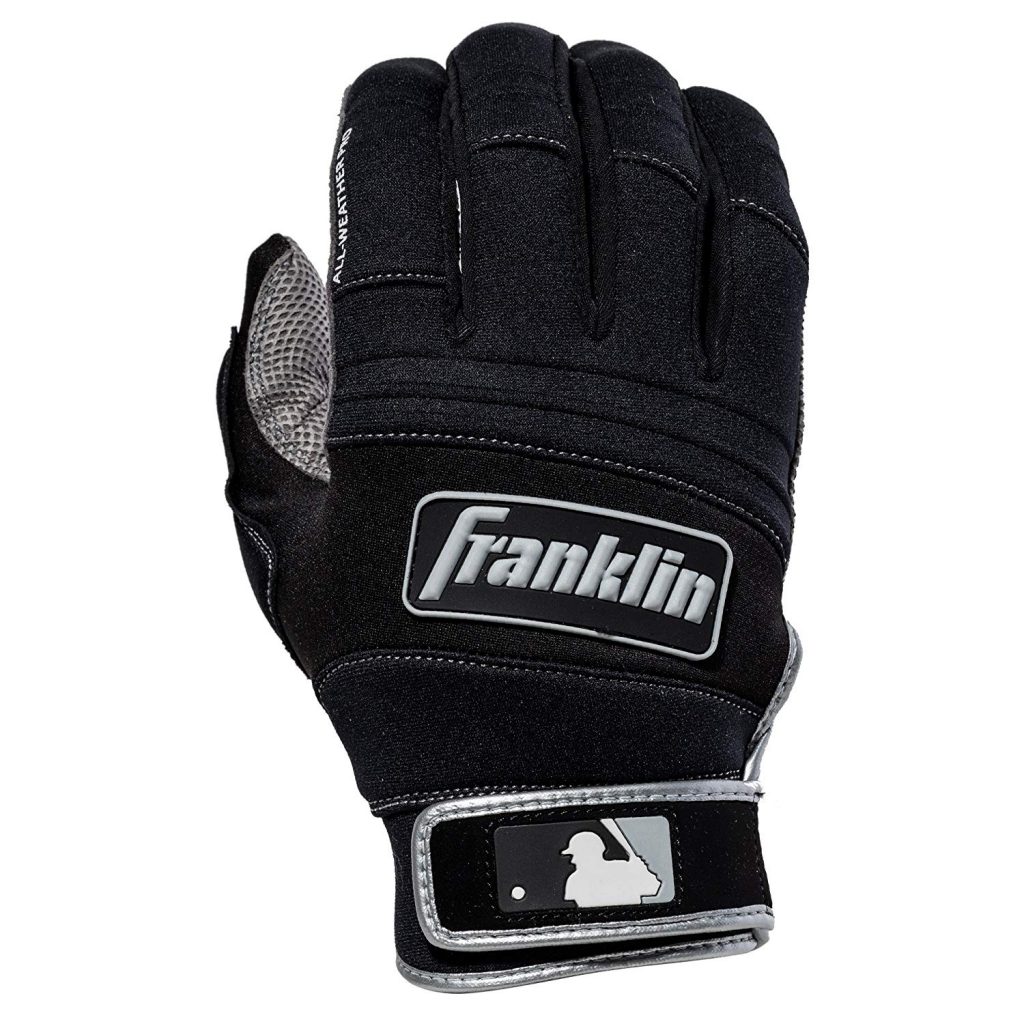
Ever laced up a batting glove only to find your swings feel as stiff as a boardwalk at dawn? The culprit might not be your technique—it could be the glove itself. A poorly fitted batting glove isn’t just uncomfortable; it’s a silent saboteur, turning every pitch into a battle against your own hands. But here’s the kicker: most players don’t realize how dramatically the wrong size can cramp their style—or how the right one can turn a mediocre swing into a line drive. So, how do you crack the code of the Franklin batting glove size chart and ensure your grip feels like a second skin? Let’s dive in.
The Anatomy of a Perfect Fit: Why Size Matters More Than You Think
Imagine trying to write a novel with mittens on—your fingers would feel like sausages stuffed into a casing, clumsy and unresponsive. A batting glove that’s too large turns your hands into a similar predicament, muffling the tactile feedback you need to adjust grip pressure mid-swing. Conversely, a glove that’s too snug can restrict blood flow, leaving your fingers numb by the third inning. The Franklin batting glove size chart isn’t just about numbers; it’s about ergonomics, dexterity, and the subtle art of feel.
Think of your batting glove as a second nervous system. When it fits like a glove (pun intended), your hands communicate with the bat as if they’re extensions of each other. But when the fit is off, even the slightest misalignment can throw off your timing. The key lies in understanding how Franklin’s sizing correlates with hand measurements—not just length, but circumference. A player with slender hands might thrive in a size that would strangle someone with broader palms. The chart bridges this gap, translating raw data into glove nirvana.
Decoding the Franklin Batting Glove Size Chart: A Step-by-Step Guide
Before you can conquer the chart, you need to know your hand’s dimensions. Grab a flexible tape measure and follow these steps:
Step 1: Measure Your Hand Length
Place your hand flat on a table, fingers together. Measure from the base of your palm (where it meets your wrist) to the tip of your middle finger. This isn’t just about how long your hand is—it’s about how far your fingers extend when you grip the bat. Franklin’s chart uses this measurement to determine the glove’s overall length.
Step 2: Measure Your Hand Circumference
Wrap the tape measure around the widest part of your palm (just below the knuckles). This is where most players make a critical mistake: assuming a “one-size-fits-all” mentality. A 7-inch circumference might feel snug to one player but suffocating to another. Franklin’s chart accounts for this by offering sizes like Youth Small (6.5–7 inches) and Adult Large (8.5–9 inches), ensuring no hand is left out in the cold.
Step 3: Cross-Reference with the Chart
Now, take your measurements and match them to Franklin’s size ranges. For example, if your hand length is 7.5 inches and circumference is 8 inches, you’d likely fall into the Adult Medium category. But here’s where it gets tricky: Franklin’s gloves are designed with a snug fit in mind. If you’re on the cusp between sizes, Franklin often recommends sizing down for a tighter, more responsive feel. Why? Because a glove that’s slightly tight will mold to your hand over time, while one that’s too loose will never quite feel like it’s yours.
Common Pitfalls: When the Chart Lies (And How to Outsmart It)
The Franklin batting glove size chart is a roadmap, but like any map, it’s not infallible. Here’s where players often go astray:
The “I’ll Size Up for Comfort” Trap
It’s tempting to opt for a larger size, especially if you’re between measurements. But a glove that’s too big doesn’t just feel sloppy—it can cause blisters. The excess material bunches up in your palm, creating friction where there should be none. Think of it like wearing shoes two sizes too big: you’ll trip over your own steps.
The “My Hand’s an Oddball” Dilemma
Not all hands are built alike. Some players have long fingers but narrow palms, or vice versa. If your measurements don’t align neatly with the chart, don’t panic. Franklin’s sizing is flexible enough to accommodate most variations, but if you’re truly in uncharted territory, consider trying on gloves in person or ordering multiple sizes to compare. Your hands deserve a glove that’s as unique as your swing.
The “Break-In Bias”
Some players assume they can “break in” a glove that’s slightly too big. While leather gloves do soften over time, a batting glove’s primary job is precision—not comfort. A glove that’s too large will never break in to the point of feeling perfect. It’s better to start snug and let the material conform to your hand than to start loose and fight a losing battle.
Beyond the Numbers: The Intangibles of a Great Batting Glove
Size is just the foundation. The real magic happens in the details. Franklin’s batting gloves are crafted with features that elevate the fit from good to extraordinary:
Palm Reinforcement
Look for gloves with strategically placed padding or textured grips. These aren’t just for show—they prevent the bat from twisting in your hands, even when your palms are slick with sweat. A well-designed palm feels like an extension of the bat, not a barrier between you and it.
Wrist Closure Systems
A glove’s wrist strap isn’t just for show. Velcro, elastic, or even magnetic closures ensure the glove stays put, no matter how violently you swing. A loose wrist strap is a recipe for the glove to slide up your arm mid-swing, leaving your fingers exposed and vulnerable.
Material Matters
Franklin offers gloves in synthetic and leather blends. Synthetic gloves are lightweight and break in quickly, while leather gloves mold to your hand over time, offering a custom fit. If you’re a power hitter, leather might be your best bet. If you prioritize speed and flexibility, a synthetic glove could be the way to go.
Pro Tips: How to Test Your Glove Before Game Day
Even the perfect size won’t save you if the glove doesn’t pass the “real-world” test. Here’s how to vet your Franklin batting glove before it’s too late:
The Grip Test
Hold the bat in your batting stance. Does the glove feel like a natural part of your hand? Can you feel the bat’s seams through the material? If not, the glove might be too thick or bulky. A great batting glove should disappear on contact, leaving only the bat and your swing in focus.
The Flex Test
Bend your fingers as if you’re gripping the bat. The glove should move with you, not resist you. If it feels like you’re fighting against the material, it’s the wrong size or style.
The Sweat Test
Wear the glove for a few minutes while doing light drills. Does it stay in place? Does it bunch up in your palm? If the glove shifts or slips, it’s too big. If it leaves red marks, it’s too small.
Final Innings: Making the Call
At the end of the day, the Franklin batting glove size chart is your ally—not your dictator. Use it as a starting point, but trust your hands to guide you. A glove that feels like a second skin won’t just improve your grip; it’ll boost your confidence. And in a game where split-second decisions make all the difference, that confidence is priceless.
So, take the measurements. Cross-reference the chart. And when you finally find the glove that feels like it was made for you, step up to the plate knowing your hands are ready for anything. The only thing left to do? Swing for the fences.