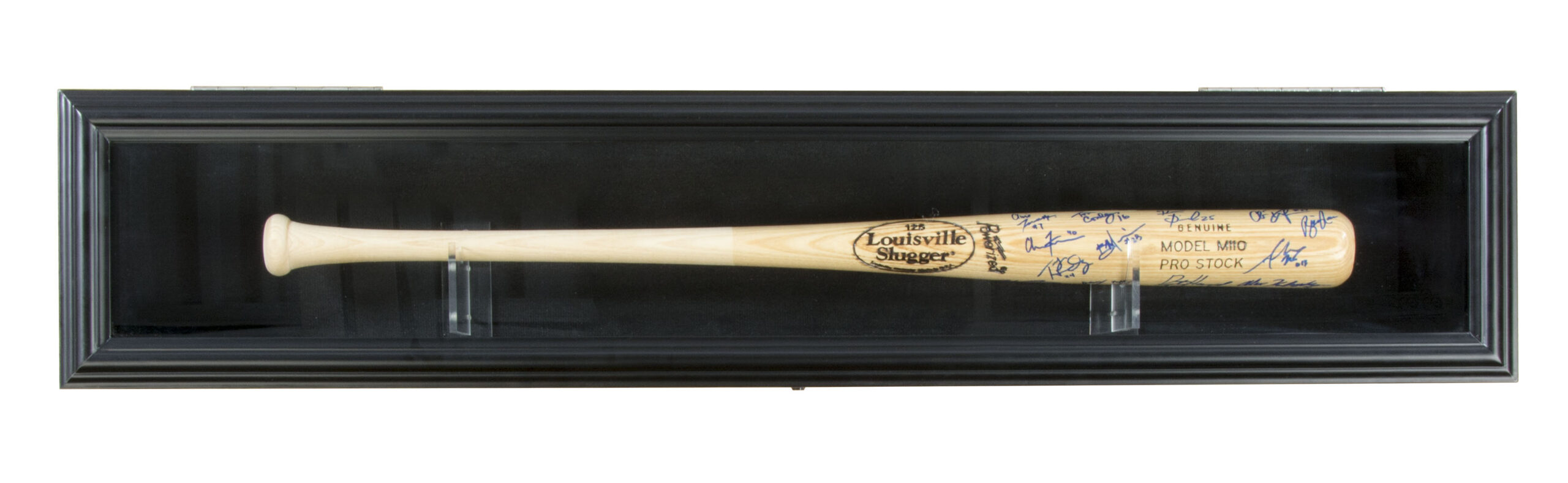
There’s something quietly heroic about a baseball bat hanging on a wall—not just as a piece of memorabilia, but as a silent storyteller. It’s not merely an object; it’s a relic of swings taken, games played, and perhaps even a personal milestone etched into its grain. Whether it’s a vintage Louisville Slugger passed down through generations or a modern composite bat that once cracked a game-winning home run, the act of displaying it properly transforms it from a utilitarian tool into a centerpiece of pride. But hanging a baseball bat isn’t just about aesthetics; it’s about preserving the spirit of the game while integrating it seamlessly into your living space. The challenge lies in balancing functionality with flair, ensuring the display feels intentional rather than haphazard. This guide explores the art and science behind mounting a baseball bat, from selecting the right hardware to curating a display that resonates with both baseball enthusiasts and casual observers alike.
The Psychology Behind Baseball Bat Displays: Why We Treasure the Unseen
At first glance, a baseball bat on a wall might seem like a simple decorative choice. Yet, the fascination runs deeper than mere ornamentation. Baseball bats carry an almost totemic weight—they symbolize potential, achievement, and the raw connection between player and sport. Studies in sports psychology suggest that tangible reminders of past successes can reinforce motivation and identity, acting as visual anchors in our daily lives. A bat displayed prominently isn’t just a nod to the past; it’s a silent pledge to future endeavors. The placement of the bat—whether at eye level or slightly elevated—can subconsciously elevate its perceived importance, turning a functional object into a focal point of aspiration. This phenomenon explains why collectors and players alike obsess over the minutiae of display: the angle of the bat, the type of mounting hardware, even the lighting that casts shadows across its surface. It’s not just about showing off; it’s about honoring the bat’s role in a larger narrative.
Choosing the Right Mounting Hardware: From Clamps to Concealment
The foundation of any great bat display lies in the hardware. The market offers a spectrum of options, each with its own merits and aesthetic implications. For those seeking a minimalist approach, heavy-duty clamps or U-bolts provide a sturdy, no-frills solution. These are ideal for bats with thicker handles or those made of denser wood, as they distribute weight evenly without marring the surface. On the opposite end of the spectrum, magnetic mounts offer a sleek, modern alternative, though they require bats with metal components—typically the end caps or a steel-reinforced handle. For collectors who prioritize preservation, adhesive-backed mounts or discreet brackets can be hidden behind the bat, ensuring the focus remains solely on the wood and its craftsmanship. It’s worth noting that the material of the bat itself plays a role in hardware selection; composite bats, for instance, may require gentler clamps to avoid cracking, while ash or maple bats can withstand more robust fixtures. The key is to match the hardware to the bat’s weight, material, and your desired level of visibility.
Wall-Mounting Techniques: Angles, Spacing, and Structural Integrity
The angle at which a bat is mounted can dramatically alter its visual impact. A slight upward tilt, for example, mimics the natural follow-through of a swing, lending dynamism to the display. Conversely, a horizontal mount—parallel to the floor—creates a more static, museum-like presentation, ideal for showcasing the bat’s craftsmanship. Spacing is another critical factor: leaving a few inches of clearance between the bat and the wall prevents moisture buildup and allows for easier cleaning. For those mounting multiple bats, staggered arrangements or overlapping displays can create a sense of depth and movement, transforming a simple wall into a dynamic gallery. Structural integrity is paramount; always ensure the mounting surface is capable of supporting the bat’s weight. Drywall anchors are sufficient for lighter bats, but solid wood studs or masonry anchors are recommended for heavier pieces. A poorly mounted bat not only risks damage to the wall but also diminishes the display’s credibility. Take the time to measure twice, drill once, and use a level—precision here prevents regret later.
DIY vs. Pre-Made Displays: Crafting vs. Convenience
The debate between do-it-yourself solutions and pre-fabricated displays often hinges on priorities: time versus personalization. A DIY approach allows for complete creative control, from hand-carved brackets to repurposed furniture pieces like old crates or pallet wood. For the resourceful, a simple wooden plaque with routed grooves can cradle the bat’s handle, while a floating shelf with a lip can prevent it from sliding off. The trade-off, however, is the labor involved—sanding, staining, and ensuring structural stability can be time-consuming. Pre-made displays, on the other hand, offer convenience and often come with adjustable features, such as swivel mounts or modular systems that accommodate multiple bats. Brands like Display-It or SportsArt specialize in sports memorabilia solutions, blending durability with design. The choice ultimately depends on your budget, skill level, and how much you value the process of creation. Either way, the goal remains the same: to elevate the bat from an object to an experience.
Lighting and Ambiance: Illuminating the Story Behind the Bat
Lighting can transform a bat display from a static arrangement into a living tableau. The right illumination highlights the wood’s grain, accentuates the bat’s curvature, and casts dramatic shadows that add depth. Recessed lighting or track lighting directed at the bat creates a gallery-like effect, ideal for showcasing its natural beauty. For a more intimate setting, LED strip lights installed along the wall’s edge can provide a soft glow without overwhelming the space. The color temperature of the bulbs also matters: warmer tones (2700K–3000K) evoke a cozy, nostalgic feel, while cooler tones (4000K–5000K) lend a modern, crisp aesthetic. Consider adding a dimmer switch to adjust the ambiance based on the time of day or the mood you wish to evoke. The interplay of light and shadow isn’t just functional; it’s a storytelling device, subtly guiding the viewer’s eye and emphasizing the bat’s significance.
Curating a Thematic Display: From Personal Achievements to Team Pride
A baseball bat’s story gains depth when it’s part of a larger narrative. For personal collections, pairing the bat with related memorabilia—jerseys, signed baseballs, or even a framed photo of the game in which it was used—creates a cohesive timeline of achievement. Team displays, meanwhile, benefit from a more uniform approach: grouping bats by era, league, or player can turn a simple wall into a shrine to baseball history. Thematic displays might also incorporate elements like vintage baseball cards, stadium seats, or even a miniature scoreboard to enhance the context. The key is to strike a balance between clutter and cohesion; each piece should complement the bat without overshadowing it. Think of the display as a visual essay, where every item contributes to the overarching theme of passion, perseverance, and the love of the game.
Preservation and Maintenance: Keeping the Bat’s Legacy Alive
A bat on display is only as valuable as its condition. Wooden bats, in particular, are susceptible to environmental factors like humidity and temperature fluctuations, which can cause warping or cracking over time. To mitigate this, consider using a dehumidifier in the room or placing the bat in a display case with climate control. Regular dusting with a microfiber cloth prevents buildup, while occasional conditioning with a wood preservative (like tung oil) keeps the grain supple. For composite bats, avoid prolonged exposure to direct sunlight, which can degrade the material. If the bat is signed, use a UV-protective glass or frame to shield the ink from fading. The goal isn’t just to display the bat; it’s to preserve its legacy for future generations. A well-maintained display ensures that the bat’s story remains vivid, its significance undiminished by the passage of time.