Securing prime seating for an MLB game transcends merely purchasing a ticket; it’s an art, a strategic endeavor. This guide, meticulously crafted for the discerning baseball enthusiast, will navigate you through the intricacies of seat selection, equipping you with the know-how to curate an unforgettable game-day experience. We’ll delve into a comprehensive range of factors, from understanding sightlines and proximity to player interaction and the subtle nuances of stadium acoustics. By the end, you’ll possess the acumen to confidently choose seats that perfectly align with your personal preferences and budget.
Understanding the Anatomy of a Stadium Seating Chart
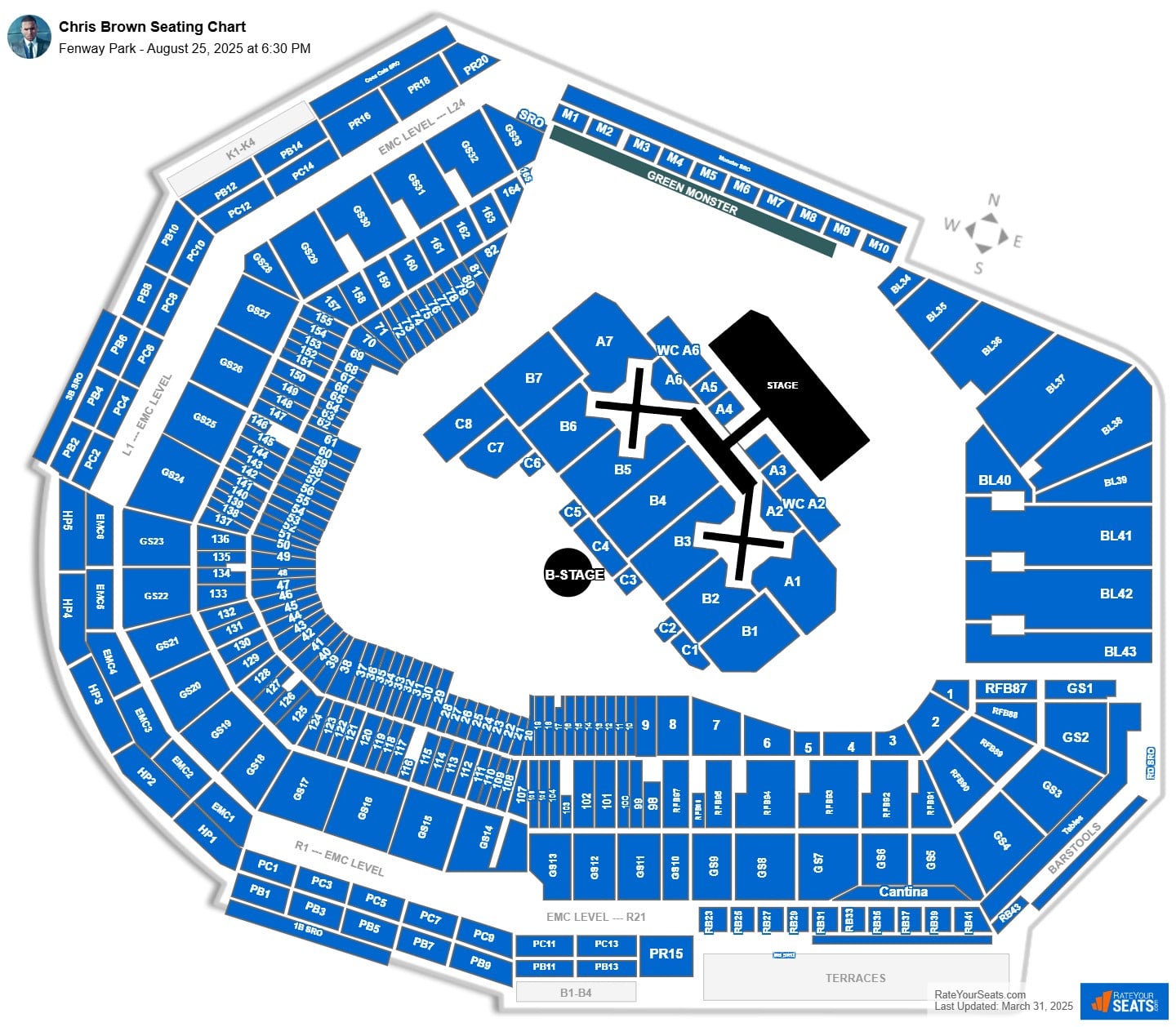
Before even considering specific sections, familiarize yourself with the ubiquitous seating charts. These are not merely diagrams; they’re a lexicon of positional terminology. “Baseline” seats are those directly behind home plate, offering unparalleled views of the pitcher and batter. Further out lie the “Field Level” seats – generally considered premium but often at a higher price point. “Grandstand” and “Upper Deck” sections provide broader perspectives of the entire field, balancing value and vantage. Notably, “loge” boxes possess a private, semi-enclosed feel, offering enhanced amenities. Beyond these, look for designations like “Club Level” which usually correlate with exclusive access and enhanced services. A thorough perusal of the interactive seating map on the team’s website – a vital component of preparedness – provides critical information on sightlines and obstructions. Don’t underestimate the power of a virtual tour; many stadiums now provide these.
The Significance of Sightlines & Field of View
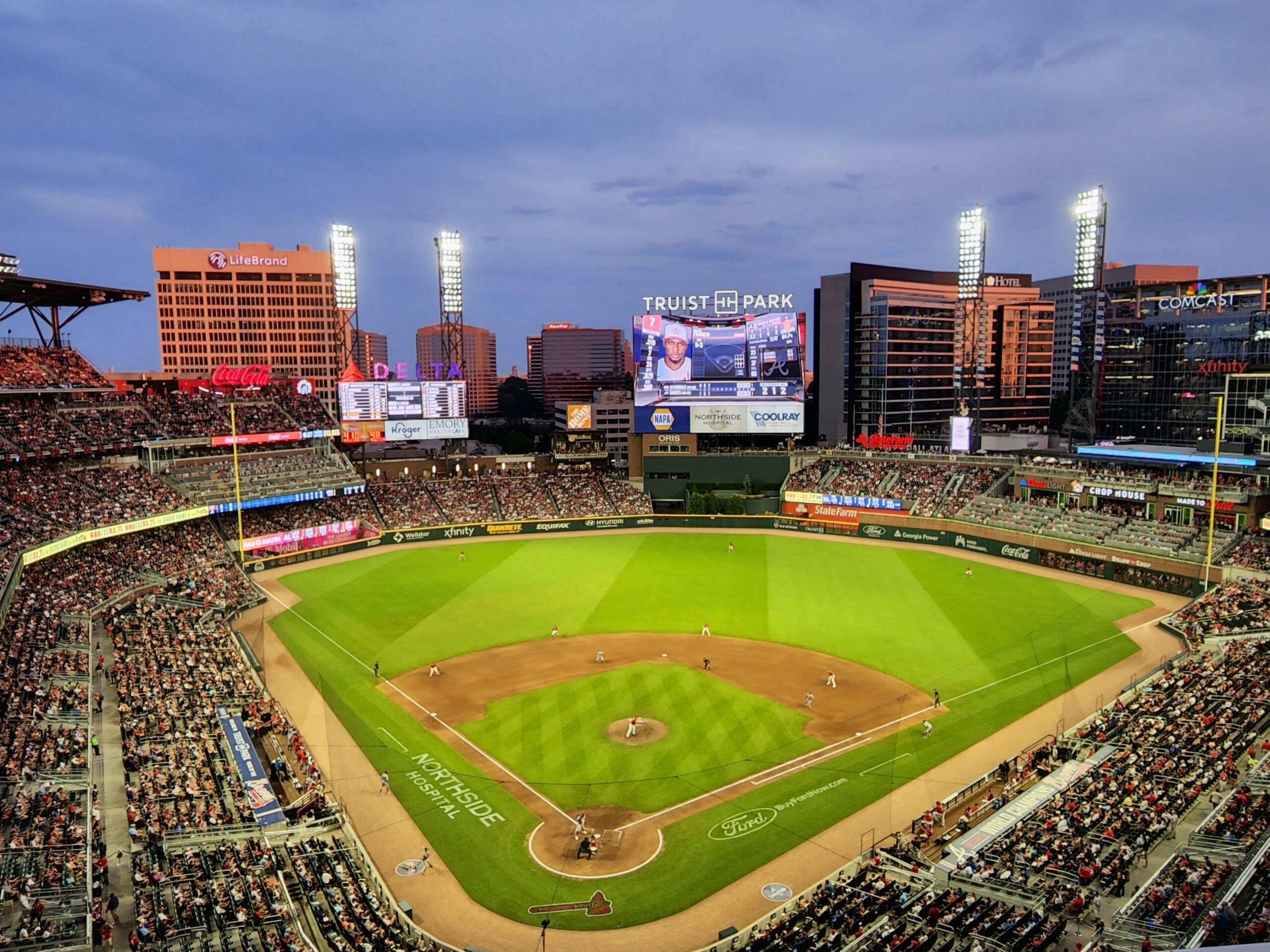
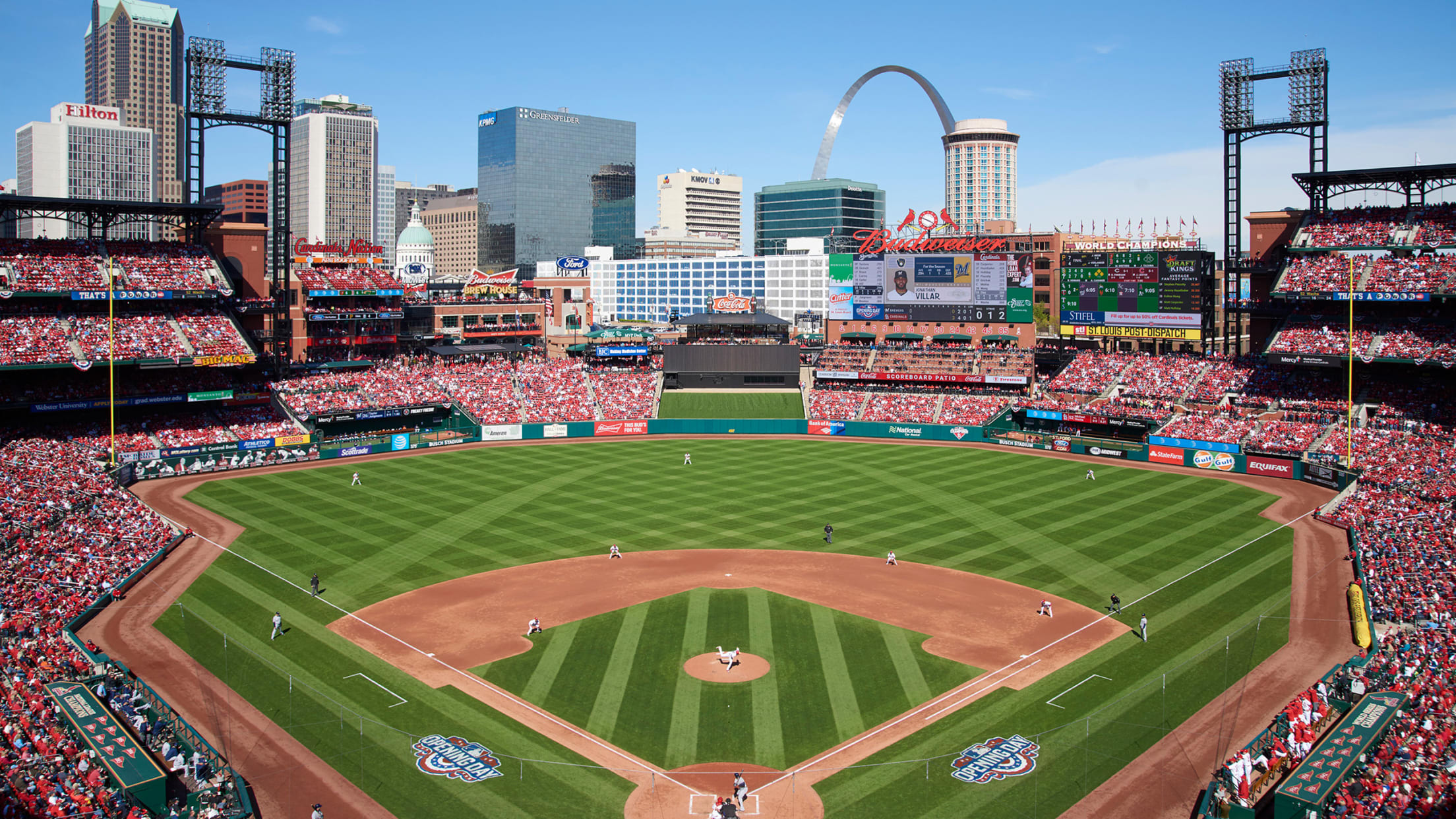
The quality of your experience is inextricably linked to your sightline. Baseline seats, as previously noted, offer the most direct view of the action, but the close proximity can reduce the perception of the broader field. Field level seats farther down the foul lines provide a wider perspective, encompassing more of the infield play, but can feel removed from the immediate intensity. Consider the “angle of attack” – the trajectory of the ball. This dramatically alters your perspective. A seat behind first or third base provides a view of potential double-play sequences and the intricacies of base running. Upper-level seats, while further from the action, often deliver a panoramic vista of the stadium – a particularly rewarding spectacle for those who appreciate the architectural grandeur. Utilize online tools that visually depict sightlines from various sections; they are truly invaluable.
Proximity to Action: The Home Plate vs. Foul Line Debate
Deciding between the intimacy of home plate and the expanse of the foul lines is a fundamental choice. Home plate seats, while fetching a considerable premium, guarantee a visceral connection to the pitcher’s motion and the batter’s swing. The visual acuity offered by this proximity is a significant draw. Conversely, seats along the foul lines, strategically positioned, provide a broader understanding of the game’s flow. You’ll witness the depth of the outfielders’ catches and observe more subtle nuances of defensive positioning. There’s also the element of player interaction; closer seats often offer a greater chance, however slight, of a foul ball souvenir or a post-game interaction. Weighing these competing benefits will sharpen your seat selection process.
Acoustics and Atmosphere: Beyond the Visuals
A truly immersive game-day experience transcends the purely visual. Acoustics play a surprisingly potent role. Baseline seats, closer to the roar of the crowd and the crack of the bat, immerse you in the auditory intensity of the game. Conversely, seats higher up or further removed often experience a diminished sonic landscape, a consequence of the sound waves dispersing. Consider the stadium’s architecture too. Some stadiums are specifically designed to amplify crowd noise, creating a palpable wave of collective energy. The ambience of the surrounding sections also contributes; sections near energetic student groups or dedicated fan bases often exude a more vibrant pulse.
Budgetary Considerations: Value vs. Premium
The price of a ticket is, inevitably, a crucial factor. Premium seats – those offering prime views and enhanced amenities – command a significant premium. A shrewd fan understands that value isn’t about finding the *cheapest* seat, but the seat that maximizes enjoyment for the price paid. Explore alternative sections. “Obstructed view” seats, while offering a limited perspective, are frequently discounted. “Standing room only” areas provide a budget-friendly option for those prioritizing atmosphere over comfort. Weekday games and early season contests are invariably less expensive than weekend games and games against popular rivals. Subscription services and loyalty programs sometimes offer exclusive discounts or access to pre-sales.
Considering the Amenities: Luxury Boxes and Club Levels
For those seeking an elevated experience, luxury boxes and club levels represent an enticing option. These provide a range of amenities including exclusive lounge access, in-seat service, and potentially premium food and beverage options. These tend to be more expensive, so the value proposition must be carefully considered, accounting not just for the game, but the overall “experience.” Access to private restrooms and dedicated entrances can also significantly streamline the game day process. Explore packages; some teams bundle tickets with parking and merchandise, potentially adding overall value. These upscale sections often provide a sanctuary from the throng of the general admission areas.
Special Events & Theme Nights: Enhancing the Experience
Many MLB teams schedule special events and theme nights throughout the season – bobblehead giveaways, post-game concerts, or promotional contests. These events can significantly impact ticket demand and, consequently, prices. Factor in the potential for increased crowds and congestion when targeting seats for these particular games. Conversely, a keen observer might identify a less popular promotional night as an opportunity to secure better seats at a reduced price. The availability of team-specific merchandise and concessions is another factor influenced by these specialized nights.
Leveraging Technology & Data: Predictive Analysis for Seat Selection
The modern fan possesses a distinct advantage: access to data. Several websites now offer “heat maps” that aggregate customer reviews and feedback to highlight popular sections. Check these regularly. Social media platforms – particularly fan forums – can offer granular insights into seat quality and potential obstructions. Some sophisticated tools even employ predictive algorithms to assess the “value” of a seat based on factors like weather forecasts and team performance. Become adept at utilizing these digital resources; they represent an increasingly powerful weapon in the quest for the perfect seat.
Accessibility Considerations: Accommodating Diverse Needs
For fans with accessibility needs – those utilizing wheelchairs, requiring assistive listening devices, or requiring designated seating – navigating stadium seating can be a complex process. Stadiums are legally obligated to provide accessible seating options, but proactive planning is essential. Contact the team’s accessibility services department in advance to confirm availability and to address specific requirements. Be prepared to provide supporting documentation, and familiarize yourself with the stadium’s accessibility policies. Remember that accessibility is not merely about physical access; it’s about ensuring a comfortable and inclusive experience for all fans.