Every baseball player knows the agony of a blister—those tiny, treacherous landmines that detonate just as you’re rounding third, or worse, when you’re stepping into the batter’s box with the bases loaded. A blister isn’t just a nuisance; it’s a silent saboteur, a betrayal of your own body at the worst possible moment. But what if you could outsmart it? What if, instead of resigning yourself to the bench, you could lace up your cleats, step onto the field, and swing for the fences—blister-free? The secret isn’t in avoiding friction; it’s in mastering the art of taping. Done right, a properly taped blister doesn’t just protect—it transforms a potential setback into an afterthought.
The Anatomy of a Blister: Why It’s Your Body’s Worst Teammate
Blisters are the body’s crude way of saying, “I tried to warn you.” They form when friction, pressure, or sheer relentless repetition conspire to separate the layers of your skin, creating a pocket of fluid that swells like a tiny, unwanted balloon. For baseball players, the culprits are endless: the relentless grind of batting practice, the unforgiving grip of a bat, the friction of a poorly fitted glove, or the ceaseless pounding of cleats against the dirt. A blister isn’t just a wound—it’s a warning flare, a signal that your gear, your technique, or your preparation has failed you. But here’s the twist: blisters aren’t your enemy. They’re feedback. And if you learn to listen, they’ll tell you exactly how to adapt before they ever form.
Preparation: The Unsung Hero of Blister Prevention
Before you even think about tape, you need to set the stage. Blisters thrive in chaos, but they wither in order. Start with your gear. A bat that’s too heavy or a glove that’s too stiff is a blister waiting to happen. Break in your equipment like you break in a new pair of shoes—gradually, deliberately. Socks matter too. Cotton is the enemy; it absorbs sweat and turns your foot into a swamp. Opt for moisture-wicking, seamless blends designed for athletes. And don’t forget your skin. Apply a thin layer of anti-chafing balm or petroleum jelly to high-friction zones before you play. This isn’t just about comfort; it’s about creating a slippery buffer that lets your skin glide instead of grind. The goal isn’t to eliminate friction entirely—it’s to control it.
The Right Tape: Your Secret Weapon Against the Grind
Not all tapes are created equal. The wrong kind can turn a minor irritation into a full-blown disaster. You need a tape that’s sticky enough to stay put but gentle enough to peel away without taking your skin with it. Medical-grade adhesive tapes, like those used by endurance athletes, are ideal. They’re breathable, flexible, and designed to withstand hours of relentless motion. Avoid duct tape or athletic tape with a paper backing—those are blister accelerators in disguise. And here’s a pro tip: pre-tape your trouble spots during practice. If you know your heel rubs raw every time you steal second, tape it now, not when the game’s on the line. The best offense is a good defense, and in this case, the best defense is applied before the first pitch.
Step-by-Step: How to Tape Like a Pro
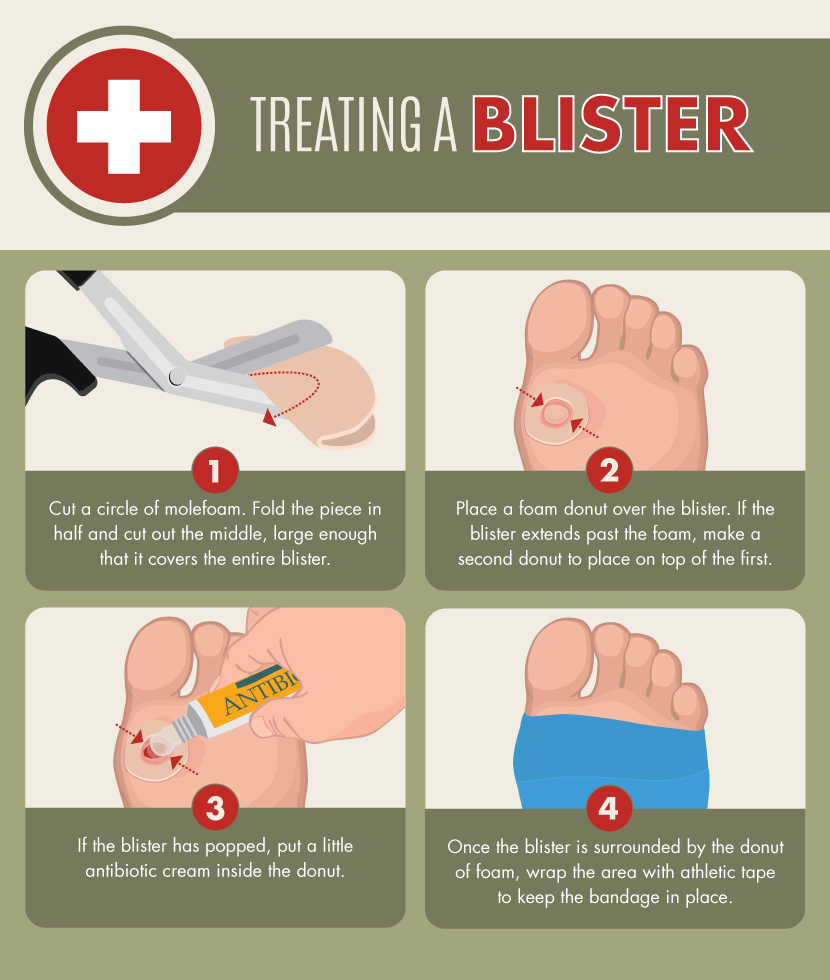
Taping a blister isn’t just slapping on a strip of adhesive and calling it a day. It’s a surgical procedure, a delicate balance of compression and protection. Start by cleaning the area thoroughly. Dirt and sweat are the enemies of adhesion. Pat it dry—don’t rub—and let it air out for a minute. If the blister is already raised, don’t pop it. Instead, apply a small piece of moleskin or a hydrocolloid dressing to cushion the area. Now, the tape. Cut a strip long enough to wrap around the blister twice, with a little extra on either end to anchor it. Apply it snugly but not tight—you want to immobilize the skin, not cut off circulation. Overlap the edges slightly to create a seamless barrier. For extra security, add a second strip perpendicular to the first, forming a cross. The result? A fortress of tape that moves with you, not against you.
Game-Day Tactics: When to Tape and When to Walk Away
Not all blisters are tameable. Some are red flags waving in the wind, screaming for mercy. If the blister is already oozing, bleeding, or so painful you can’t put weight on it, taping won’t save you. In those cases, the smart play is to sit it out. But if it’s a minor irritation, a tender spot that’s just starting to chafe, taping can be your salvation. The key is timing. Apply the tape at least an hour before game time to let the adhesive set. And always bring extras—blisters have a sixth sense for betrayal, and they’ll strike when you least expect it. Keep a roll in your bag, your glove, even your pocket. The difference between a player who’s benched and a player who’s swinging for the fences often comes down to a single roll of tape.
The Mental Game: How Taping Boosts Confidence
There’s a psychological edge to taping that’s just as powerful as the physical protection. When you wrap a blister, you’re not just shielding your skin—you’re reinforcing your resolve. You’re telling yourself, “I’m prepared. I’m in control.” That confidence seeps into your swing, your fielding, your very presence on the field. A taped blister is a badge of resilience, a visible reminder that you’ve outmaneuvered the odds. And in a sport where mental toughness is half the battle, that’s priceless. The next time you step up to the plate with a freshly taped hand, remember: you’re not just protecting your skin. You’re protecting your mindset.
Long-Term Solutions: Breaking the Blister Cycle
Taping is a bandage, not a cure. If you’re constantly battling blisters, it’s time to dig deeper. Reevaluate your gear. Are your cleats too tight? Is your bat grip too thin? Are your socks bunching up with every step? Small adjustments can yield massive results. Consider custom orthotics if foot alignment is the root of your problem. Experiment with different tape techniques—some players swear by kinesiology tape for its stretchability, while others prefer the rigid support of athletic tape. And don’t forget to rotate your equipment. The same cleats that felt perfect in April might be your blister’s best friend by July. Listen to your body. It’s always talking—you just have to learn its language.
Final Innings: When to Call in the Pros
Sometimes, even the best tape job isn’t enough. If blisters plague you relentlessly, despite your best efforts, it’s time to consult a professional. A sports medicine specialist can assess whether your issue is biomechanical, gear-related, or something more systemic. They might recommend custom insoles, different cleat styles, or even a change in your training regimen. Ignoring chronic blisters isn’t just a recipe for missed starts—it’s a fast track to long-term damage. Your body is your most valuable tool. Treat it with the respect it deserves.
Blisters don’t have to be the end of your season. With the right preparation, the right tape, and the right mindset, you can turn a potential setback into a non-issue. The next time you lace up your cleats, remember: the battle isn’t against your skin—it’s against the fear of being sidelined. And with a little know-how, you’ll be swinging for the fences, blister-free, long before the final out is called.