There’s a peculiar alchemy to baseball stadiums—where the crack of the bat harmonizes with the sizzle of a pretzel press, where the scent of roasted peanuts mingles with the faint tang of spilled beer. It’s a sensory symphony, but one that often comes with a side of sticker shock. The most expensive stadium food in MLB isn’t just a culinary indulgence; it’s a financial gauntlet, a gauntlet that leaves fans either grinning at the absurdity or clutching their wallets in existential dread. This isn’t just a ranking. It’s a revelation. A deep dive into the edible extravagances that have turned America’s pastime into a high-stakes dining experience. Buckle up. Your perspective on ballpark concessions is about to undergo a seismic shift.
The Art of the Overpriced Bite: Why Stadium Food Exists in a League of Its Own
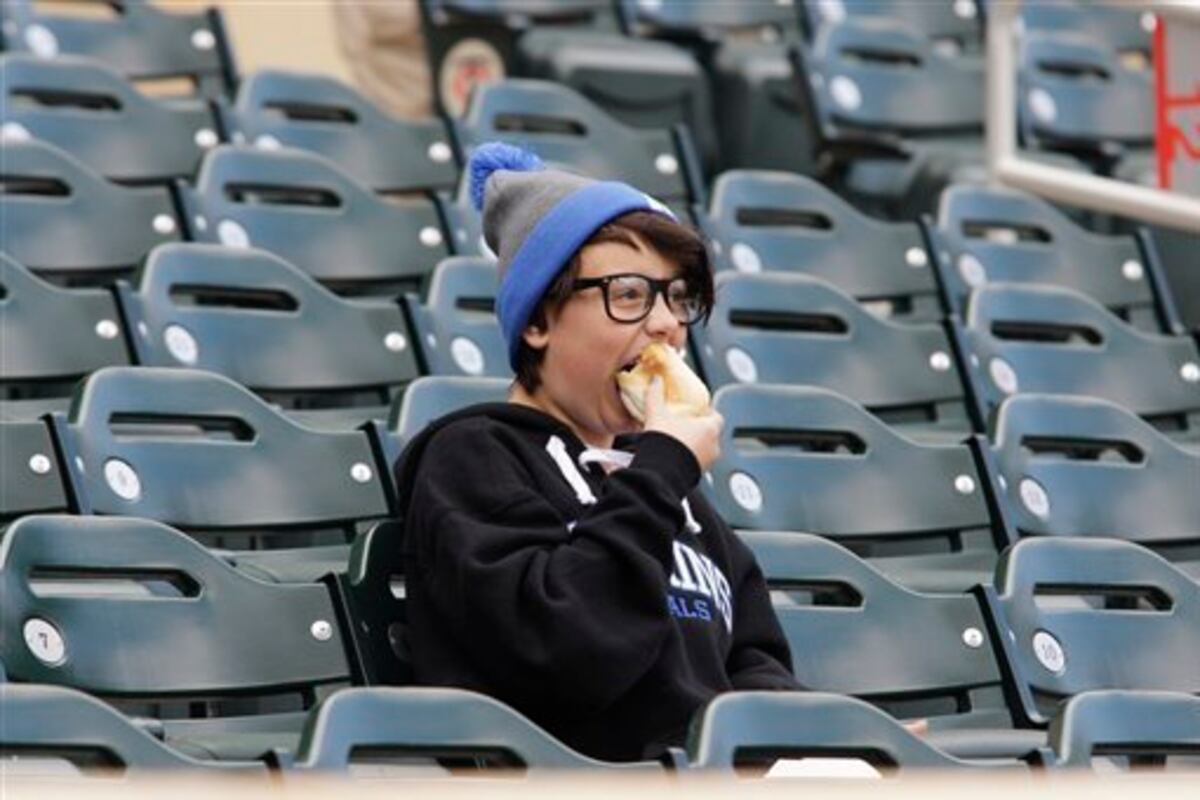
Stadium food isn’t merely sustenance; it’s a cultural artifact, a testament to the marriage of convenience and capitalism. Unlike the carefully curated menus of Michelin-starred restaurants, ballpark fare thrives in a liminal space where time is currency and hunger is an inevitability. The economics of stadium concessions are a marvel of psychological pricing—where a $12 hot dog feels like a steal compared to the $20 craft beer that accompanies it. This isn’t inflation; it’s orchestrated opportunism, a masterclass in extracting maximum value from a captive audience. The most expensive stadium foods aren’t just meals; they’re experiences, designed to leave a lasting impression—preferably one that lingers on your credit card statement.
Consider the humble nacho. A dish so ubiquitous it’s become a cliché. Yet, in the right stadium, it transforms into a gourmet spectacle. Imagine a towering platter of tortilla chips blanketed in artisanal cheese sauce, studded with truffle-infused chorizo and crowned with a drizzle of gold-leaf-dusted crème fraîche. The price? Enough to buy a small grocery store’s worth of ingredients. This isn’t just food; it’s a culinary flex, a way for teams to brand their stadiums as destinations rather than mere venues. The message is clear: if you’re going to spend $300 on tickets, you might as well drop another $50 on a meal that doubles as a social media post.
The Crème de la Crème: A Tour of MLB’s Most Extravagant Eats
To rank stadium food is to rank folly, extravagance, and the occasional stroke of culinary genius. At the apex of this pyramid sits the luxury burger, a beast of a sandwich that defies both gravity and reason. Picture a patty forged from dry-aged ribeye, nestled within a brioche bun that’s been brushed with garlic-infused butter. It’s topped with a fried egg, a slice of foie gras, and a cascade of truffle aioli. The price? Enough to feed a family of four at a mid-tier steakhouse. Yet, fans line up for it, not because it’s objectively delicious, but because it’s an indulgence wrapped in the prestige of the game. It’s the culinary equivalent of a grand slam in the bottom of the ninth—unnecessary, but undeniably thrilling.
Then there’s the lobster roll, a New England staple that, in the wrong hands, becomes a symbol of stadium pricing gone rogue. Imagine a buttery, toasted split-top bun cradling chunks of fresh lobster meat, drenched in a lemon-herb aioli. The catch? A single roll can cost as much as a full lobster dinner at a seafood shack. It’s a dish that whispers of coastal vacations and sun-drenched afternoons, all while draining your bank account with the subtlety of a fastball to the ribs. And yet, fans devour it with the same fervor they reserve for walk-off homers, because in the stadium ecosystem, scarcity and spectacle trump practicality.
The sushi platter is another contender in this high-stakes culinary showdown. A carefully arranged mosaic of sashimi-grade tuna, salmon, and yellowtail, served alongside avocado rolls and spicy tuna cones. The price? Enough to make a sushi chef weep. Yet, it’s a dish that thrives in stadiums where the crowd skews toward corporate luxury suites and high-net-worth individuals. It’s not just food; it’s a status symbol, a way to signal that you’re the kind of fan who demands excellence in every aspect of the experience—even if that excellence comes with a side of financial whiplash.
The Psychology of Pain: Why We Pay More for Less
There’s a psychological phenomenon at play here, one that stadium vendors have mastered with the precision of a closer shutting down a late-inning rally. It’s called the pain of paying, and it’s the reason we fork over $15 for a soft pretzel that costs $1.50 to make. Stadiums are designed to be immersive environments, where every sense is engaged, and every decision is made under the influence of excitement and nostalgia. When the crowd roars, the sun sets just right, and the home team is on a winning streak, the rational part of our brain takes a backseat. We’re not just buying food; we’re buying an experience, and experiences, by their very nature, come with a premium.
This is compounded by the anchor effect, a cognitive bias that makes us more likely to accept a price as reasonable if it’s presented alongside even more exorbitant options. A $25 burger doesn’t seem so bad when it’s flanked by a $50 steak sandwich on the menu. Stadiums exploit this by offering a range of options, from the modest (a $6 bag of peanuts) to the absurd (a $100 lobster roll with gold leaf garnish). The goal isn’t to sell the most food; it’s to sell the most perception of value. And in the world of stadium concessions, perception is everything.
There’s also the matter of convenience. When you’re at a game, you’re not thinking about packing a lunch or hunting for a nearby restaurant. You’re thinking about the seventh-inning stretch, the walk to the bathroom, and the inevitable queue for the beer line. Stadium food is the ultimate impulse purchase, a transaction that happens in the blink of an eye, before your brain has time to process the sticker shock. It’s the culinary equivalent of a fastball—unexpected, unavoidable, and over before you know it.
Beyond the Price Tag: The Hidden Costs of Stadium Dining
Of course, the financial toll of stadium food isn’t the only cost. There’s the caloric toll, a silent tax on waistlines that accumulates with every bite of a $14 chili cheese dog. Stadiums are temples of indulgence, where portion sizes are inflated to cartoonish proportions and nutritional value is an afterthought. A single meal can easily exceed 2,000 calories, a fact that’s as staggering as a 500-foot home run. And yet, we consume it with the same enthusiasm we reserve for the seventh-inning stretch sing-along.
Then there’s the environmental toll
. Stadiums generate mountains of waste—plastic cups, foam containers, and half-eaten meals that end up in landfills. The most expensive stadium foods often come with the most packaging, a cruel irony in an era where sustainability is no longer optional. It’s a reminder that the luxury of stadium dining comes with a hidden price tag, one that’s paid in environmental degradation rather than dollars.
And let’s not forget the social toll. Stadium food has become a symbol of the widening gulf between the haves and the have-nots. The fan who can afford a $25 burger is having a fundamentally different experience than the one who’s rationing their cash for a $2 soda. It’s a microcosm of the broader economic divides that plague modern society, where access to luxury is often a matter of privilege rather than preference.
The Future of Stadium Food: Will the Bubble Burst?
As stadiums evolve, so too does the landscape of ballpark concessions. The rise of dynamic pricing has already begun to seep into the world of food, with vendors adjusting prices based on demand, time of day, and even the score of the game. Imagine a hot dog that costs $8 in the third inning but $12 by the seventh. It’s a chilling glimpse into a future where even hunger is subject to the whims of the market.
Yet, there are glimmers of hope. Some stadiums are experimenting with local sourcing, partnering with nearby farms and artisans to offer food that’s both high-quality and reasonably priced. Others are embracing plant-based options, catering to the growing demand for sustainable and ethical dining. And then there are the stadiums that are quietly phasing out the most egregious offenders, replacing them with dishes that offer better value without sacrificing flavor.
The question isn’t whether stadium food will change—it’s whether it can change fast enough to keep pace with the evolving expectations of fans. The most expensive stadium foods may be a symbol of excess, but they’re also a reflection of the times. In an era where experiences are currency, and convenience is king, stadium food will continue to push the boundaries of what’s possible—and what’s acceptable. The only certainty is that the next time you’re at a game, you’ll look at the menu with a mix of dread and fascination, wondering just how far you’re willing to go for the perfect bite.