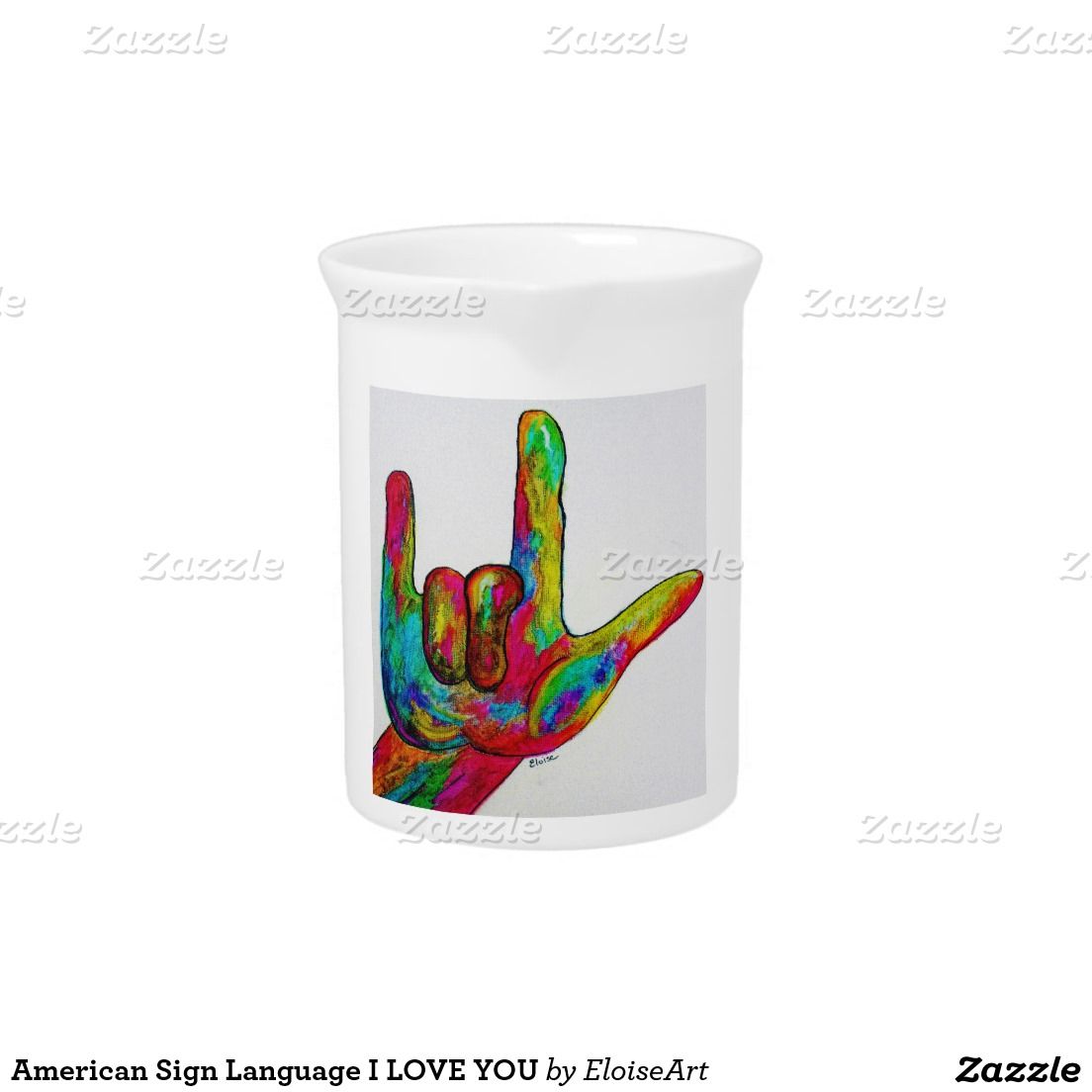
In the cacophony of a packed stadium, where the crack of bats and the roar of crowds often drown out the subtler human connections, a single gesture can speak volumes. Baseball, a sport steeped in tradition and ritual, occasionally borrows from the lexicon of other cultures to convey emotions that words alone cannot capture. One such gesture, the “I Love You” sign, has found an unlikely home on the pitcher’s mound—a silent declaration that transcends language barriers. This article explores the unexpected intersection of American Sign Language (ASL) and baseball, revealing how a simple hand configuration can bridge divides, foster camaraderie, and even disrupt the rhythm of the game.
The Silent Language of Baseball: When Gestures Speak Louder Than Words
Baseball is a sport of nuance, where split-second decisions and unspoken understandings dictate the flow of play. Yet, beyond the strategic huddles and coded signals, there exists a realm where emotions are expressed without a single word. The “I Love You” sign, formed by extending the thumb, index finger, and pinky while curling the middle and ring fingers, is a staple in ASL. Its adoption in baseball—particularly by pitchers—transforms it from a personal emblem into a public statement. When a hurler flashes this sign after a strikeout or a pivotal out, it’s not merely a celebration; it’s an invitation to see the game through a different lens, one where vulnerability and passion are as much a part of the sport as stolen bases and grand slams.
The beauty of this gesture lies in its universality. In a league where players hail from diverse linguistic backgrounds, a hand signal can communicate what a thousand words might fail to convey. It’s a reminder that baseball, for all its statistical rigor, is ultimately a human endeavor—one where emotions are not just tolerated but celebrated. The pitcher’s mound, often a stage for intimidation and precision, becomes a platform for tenderness, a fleeting moment where the cold arithmetic of wins and losses gives way to something far more personal.
From the Deaf Community to the Diamond: The ASL Gesture’s Journey
The “I Love You” sign’s migration from ASL to baseball is a testament to the fluidity of cultural exchange. ASL, a language rich in visual expression, has long used hand configurations to convey complex emotions succinctly. Its adoption in sports, however, is a relatively modern phenomenon, reflecting a broader societal shift toward inclusivity and emotional openness. When a pitcher like the one in the image above employs this sign, they are not just borrowing a gesture; they are participating in a cultural dialogue that extends far beyond the confines of the ballpark.
This phenomenon also highlights the role of athletes as cultural ambassadors. In an era where sports are increasingly scrutinized for their social impact, gestures like these serve as bridges between communities. The deaf and hard-of-hearing community, which has historically faced barriers in accessing mainstream sports culture, finds representation in these fleeting yet powerful moments. For fans who use ASL, seeing a player communicate in their language—even if just for a second—can feel like a small but significant victory. It’s a reminder that sports are not just about competition but about connection, and that the language of love, in all its forms, is universal.
The Pitcher’s Paradox: Strength Meets Sensitivity
There’s an inherent paradox in the image of a pitcher—the archetype of physical dominance—using a gesture associated with tenderness. Baseball’s lore is filled with tales of ruthless competitors who brook no weakness, yet here is a moment where strength and sensitivity coexist. The pitcher’s mound, a place of calculated aggression, becomes a stage for emotional expression, blurring the lines between the ferocity required to dominate an opponent and the humanity that makes the sport relatable.
This duality is not lost on fans. When a player flashes the “I Love You” sign, it humanizes them in ways that highlight reels and statistics never could. It suggests that behind the stoic facade of a competitor lies a person capable of deep emotion, someone who finds joy not just in victory but in the shared experience of the game. For opponents, too, this gesture can be a disarming reminder that baseball is, at its core, a game played by people—not machines. It’s a fleeting vulnerability that adds layers to the narrative of competition, making the sport richer and more compelling.
Breaking the Fourth Wall: When Baseball Speaks Back to Its Fans
Sports are often described as a dialogue between players and spectators, a back-and-forth where emotions are exchanged in real time. The “I Love You” sign is one of the few moments where this dialogue becomes literal. When a pitcher turns to the crowd—or even to their teammates—and forms those three fingers, they are not just performing for the masses; they are inviting the audience into a private emotional exchange. It’s a rare instance where the unspoken rules of the game give way to something more spontaneous, more authentic.
This gesture also challenges the traditional expectations of how athletes should comport themselves. In a culture that often equates stoicism with professionalism, a public display of affection—even in sign language—can feel revolutionary. It’s a subtle rebellion against the idea that sports must be devoid of emotion, a pushback against the notion that vulnerability is a weakness. For fans, it’s a reminder that the players they cheer for are more than just cogs in a high-stakes machine; they are individuals with emotions, quirks, and a desire to connect.
The Ripple Effect: How a Single Gesture Can Shift a Game’s Momentum
Beyond its emotional resonance, the “I Love You” sign can also have a tangible impact on the game itself. In the high-pressure environment of a baseball game, where momentum can shift in an instant, a player’s emotional state can influence their performance. For the pitcher, this gesture might serve as a cathartic release—a way to channel the intensity of the moment into something positive. For teammates, it can be a rallying cry, a reminder that the game is about more than just winning; it’s about the shared experience of playing it.
There’s also the psychological aspect to consider. For opposing batters, seeing a pitcher express such unfiltered emotion might be disconcerting. Baseball is as much a mental game as it is a physical one, and a player who appears emotionally unshakable can be intimidating. Yet, when that same player lets their guard down—even for a second—it can disrupt the batter’s rhythm, creating an opening for the pitcher to exploit. In this way, the “I Love You” sign becomes more than a gesture; it’s a tactical wildcard, a psychological tool that adds another layer to the chess match of baseball.
The Future of Baseball’s Emotional Lexicon
As baseball continues to evolve, so too will the ways in which players express themselves on the field. The “I Love You” sign is just one example of how athletes are redefining the emotional landscape of the sport, using gestures and symbols to communicate in ways that transcend language. In an era where social media amplifies every action, these moments of raw emotion are more visible—and more impactful—than ever before.
Looking ahead, we may see more players adopting ASL or other forms of sign language to connect with fans and teammates. The sport’s traditionalists might resist, clinging to the idea that baseball should remain a bastion of stoicism, but the tide is turning. Fans crave authenticity, and gestures like these provide it in spades. They remind us that baseball is not just a game of numbers and records but a human story, one filled with love, loss, and everything in between. The “I Love You” sign is more than a trend; it’s a harbinger of a more emotionally expressive future for the sport.