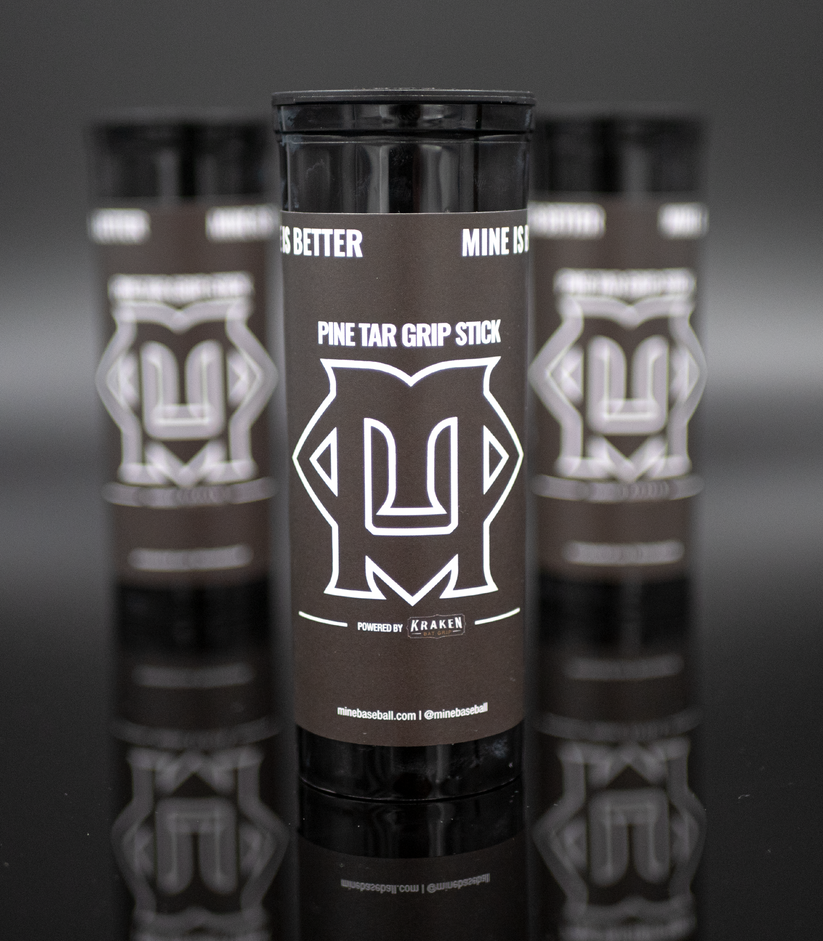
In the high-stakes world of baseball, where split-second decisions dictate the outcome of a game, the battle for control is waged not just between batters and pitchers, but between human skill and the unforgiving laws of physics. One of the most intriguing tools in this contest is pine tar—a seemingly humble substance that has sparked debates, controversies, and even rulebook revisions. But what does pine tar actually do in baseball? Beyond its reputation as a grip enhancer, it represents a fascinating intersection of tradition, science, and the relentless pursuit of performance. To understand its role, we must delve into the mechanics of the game, the psychology of the players, and the unspoken rules that govern this sticky secret.
The Science of Grip: Why Pine Tar Works Wonders on the Bat Handle
At its core, pine tar is a viscous, resinous byproduct of wood distillation, prized for its adhesive properties and natural tackiness. When applied to a bat handle, it transforms the surface from smooth and slippery to slightly grippy, allowing a batter to maintain a firm hold even in the most intense moments of a swing. The science behind this is rooted in friction—the invisible force that resists motion between two surfaces. A bat handle without pine tar offers minimal friction, making it prone to twisting in a batter’s hands during a powerful swing. Pine tar, however, increases the coefficient of friction, effectively “gluing” the hands to the bat for milliseconds longer. This brief extension can mean the difference between a foul ball and a line drive, between a weak grounder and a towering home run.
But pine tar’s benefits extend beyond mere grip. Its slightly tacky texture also dampens vibrations, reducing the sting that travels up a batter’s arms with each contact. This is particularly crucial for players with weaker grips or those battling fatigue in late innings. The substance’s ability to absorb shock while enhancing control makes it a silent ally in the batter’s box—a tool that whispers rather than shouts its importance.
From Barns to Batting Caves: The Historical Roots of Pine Tar in Baseball
The use of pine tar in baseball is not a modern innovation but a practice steeped in history, tracing its origins to the earliest days of the sport. In the 19th century, when baseball was still evolving from its rustic roots, players often turned to whatever materials were at hand to improve their performance. Pine tar, readily available from wood preservatives and shipbuilding, became a go-to solution for batters seeking an edge. Its adoption was so widespread that by the early 20th century, it had become an unspoken tradition—one that players passed down like a sacred ritual.
Yet, pine tar’s journey from practical tool to controversial substance was not without its twists. The 1983 Pine Tar Incident, where Kansas City Royals third baseman George Brett was famously called out for having too much pine tar on his bat, thrust the substance into the spotlight. The resulting uproar and subsequent reinstatement of Brett’s home run highlighted the tension between tradition and regulation. This incident underscored a deeper truth: pine tar is not just a performance enhancer but a symbol of baseball’s enduring struggle to balance innovation with fairness. Its history reflects the sport’s evolution—a microcosm of how even the smallest details can shape the game’s narrative.
The Psychological Edge: How Pine Tar Boosts Confidence at the Plate
Beyond its physical advantages, pine tar wields a psychological power that is often overlooked. For many batters, the act of applying pine tar is a ritual—a moment of preparation that signals the transition from spectator to participant. The tactile sensation of the sticky substance between their fingers can ground a player, anchoring them in the present moment. This ritualistic aspect is not merely superstition; it taps into the deeper workings of the human mind, where confidence and control are as critical as raw talent.
Consider the scenario of a batter stepping into the box with the bases loaded in the bottom of the ninth. The pressure is immense, the stakes sky-high. A firm grip on the bat, reinforced by pine tar, can serve as a tangible reminder of preparation and readiness. It’s a small but significant psychological crutch—a way to assert dominance over the chaos of the moment. In this light, pine tar becomes more than a tool; it is a psychological talisman, a silent partner in the batter’s quest for greatness.
Controversies and Conundrums: The Fine Line Between Enhancement and Cheating
Despite its widespread use, pine tar occupies a precarious position in baseball’s regulatory landscape. Major League Baseball’s official rules state that a batter may not use any substance to alter the bat’s surface, and pine tar is no exception. Yet, the enforcement of this rule has been inconsistent, leading to debates about what constitutes an “unfair advantage.” The 1983 incident remains a touchstone, but it is far from the only example. Players have been ejected, games have been forfeited, and careers have hung in the balance over the application of pine tar.
The controversy stems from a fundamental question: where does enhancement end and cheating begin? Pine tar’s effects are subtle, its benefits incremental. Unlike performance-enhancing drugs, it does not fundamentally alter a player’s physiology. Instead, it levels the playing field, allowing batters to maximize their natural abilities. Yet, the fear of creating an uneven advantage persists—a fear that speaks to baseball’s deep-seated reverence for tradition and fairness. The debate over pine tar is, at its heart, a debate about the soul of the game itself.
Modern Alternatives: The Evolution of Grip Enhancements in Baseball
As baseball continues to evolve, so too do the methods players use to gain an edge. While pine tar remains a staple, modern technology has introduced a slew of alternatives, from bat grip tapes to specialized batting gloves. These innovations offer varying degrees of tackiness and shock absorption, catering to the diverse preferences of today’s players. Some batters swear by the traditional stickiness of pine tar, while others opt for the precision of engineered grips. This diversity reflects the sport’s adaptability—a testament to its ability to embrace change without losing sight of its roots.
Yet, even as new products enter the market, pine tar retains a unique allure. Its simplicity, its history, and its undeniable effectiveness ensure its place in the batter’s arsenal. It is a reminder that sometimes, the most effective solutions are not the most complex, but the most time-tested. In a sport where milliseconds and millimeters dictate outcomes, pine tar stands as a testament to the enduring power of tradition in the face of innovation.
The Unwritten Rules: How Pine Tar Reflects Baseball’s Culture of Respect and Ruse
Baseball is a game governed not only by written rules but by an intricate web of unwritten ones—codes of conduct that players adhere to with almost religious fervor. Pine tar exists at the intersection of these codes. It is a substance that players use freely, yet one that they must conceal from umpires. This duality speaks to the sport’s culture of respect and ruse, where players are expected to push the boundaries of the rules without crossing them outright. The application of pine tar is a dance—a delicate balance between compliance and subterfuge.
This unspoken agreement between players and officials highlights a deeper truth about baseball: it is a game of nuance. The line between fair play and foul is often blurred, and players must navigate it with finesse. Pine tar, in this context, becomes a metaphor for the sport itself—a substance that is both essential and controversial, a tool that enhances performance while testing the limits of the rules. It is a reminder that baseball is not just a physical contest but a mental one, where the ability to outthink the opponent is just as valuable as the ability to outplay them.
Conclusion: The Sticky Legacy of Pine Tar in Baseball
Pine tar’s role in baseball is a study in contrasts: it is both a relic of the past and a modern necessity, a tool of enhancement and a subject of controversy, a simple substance with a complex legacy. Its impact on the game extends far beyond the bat handle, touching on the science of grip, the psychology of performance, and the cultural fabric of baseball itself. Whether applied in the dim light of a minor league dugout or the glare of a World Series spotlight, pine tar remains a silent witness to the game’s evolution—a sticky secret that binds generations of players in a shared pursuit of greatness.
In the end, pine tar is more than just a grip enhancer. It is a symbol of baseball’s enduring spirit—a testament to the lengths players will go to gain an edge, and the rules they must navigate to do so. It is a reminder that in a game defined by precision, every detail matters, and sometimes, the smallest advantage can make the biggest difference.