The crack of a wooden bat splitting against a baseball is one of the most iconic sounds in sports—a symphony of summer, tradition, and raw athleticism. It’s a noise that echoes through stadiums, a visceral reminder of the game’s unyielding connection to its past. But why, in an era where aluminum bats dominate college and amateur play, do the professionals cling to the humble wooden bat? The answer isn’t just about nostalgia; it’s a carefully considered balance of history, physics, and the very soul of baseball itself.
The Weight of Tradition: A Game Shaped by Wood
Baseball’s love affair with wood began long before the first professional league took the field in 1876. The earliest bats were carved from hickory, ash, or maple—hardwoods prized for their resilience and ability to absorb the brutal impact of a pitched ball. As the game evolved, so did the craftsmanship of the bat, but the material remained steadfast. Wooden bats became more than equipment; they were artifacts of the sport’s identity.
This tradition isn’t merely sentimental. Wooden bats preserve the game’s historical continuity, ensuring that the skills and strategies developed over a century and a half remain relevant. A metal bat, with its lighter weight and trampoline effect, would fundamentally alter the dynamics of hitting—turning line drives into tape-measure home runs and erasing the nuanced art of bat control. Baseball’s purists argue that wooden bats force players to refine their mechanics, rewarding precision over power.
The Physics of the Swing: Why Wood Endures in the Modern Game
At first glance, a metal bat seems like the superior choice: lighter, more durable, and capable of launching balls at impossible velocities. Yet, the physics of hitting with wood tells a different story. The density of hardwoods like maple or ash provides a unique feedback mechanism—players feel the ball’s impact through the bat, allowing for micro-adjustments in timing and swing path. This tactile feedback is lost with aluminum, which dampens vibration and creates a more forgiving, albeit less instructive, experience.
The sweet spot on a wooden bat is smaller and more precise, demanding that hitters perfect their approach. A mis-hit with wood often results in a broken bat, a dramatic failure that serves as a stark reminder of the game’s unforgiving nature. In contrast, a metal bat’s larger sweet spot and greater margin for error can mask flaws in a player’s swing, potentially stunting their development. Major League Baseball’s steadfast use of wood ensures that only the most technically sound hitters thrive at the highest level.
The Safety Paradox: Wood’s Role in Protecting the Game
One might assume that metal bats, with their lighter weight and greater durability, would reduce the risk of injury. Yet, the opposite is true. The velocity of a pitched ball combined with the rebound effect of a metal bat can send line drives back toward the mound at speeds that pose serious dangers to pitchers and infielders. Wooden bats, while prone to shattering, actually mitigate this risk by absorbing energy rather than redirecting it with explosive force.
Consider the shattered bat phenomenon—a spectacle that, while dramatic, is far less hazardous than a screaming line drive off an aluminum bat. MLB’s crackdown on bat breakage in the 2000s wasn’t just about aesthetics; it was a safety measure. The league mandated the use of maple and ash to reduce the risk of jagged shards flying toward the field. In this way, wood’s fragility becomes a safeguard, ensuring that the game remains as safe as it is thrilling.
The Aesthetic and Psychological Edge of Wood
There’s an intangible allure to wood that transcends its functional benefits. The grain of a maple bat, the patina of an ash bat after years of use—these details tell a story. Each crack and scuff is a testament to the player’s journey, a visual record of their career. In a sport increasingly dominated by analytics and technology, the wooden bat remains a tactile, human element.
Psychologically, wood imposes a mental hurdle that metal does not. The fear of breaking a bat adds pressure, forcing hitters to approach each swing with deliberate intent. This psychological tension mirrors the high-stakes environment of the major leagues, where every at-bat can alter the course of a game. Metal bats, with their near-indestructible nature, lack this built-in intensity, making them a poor substitute for the mental rigor required in professional baseball.
The Economic and Cultural Implications of Wooden Bats
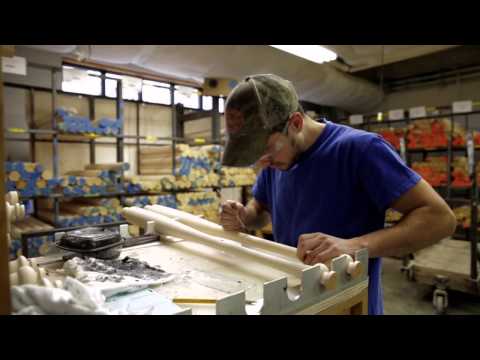
The use of wooden bats also has profound economic and cultural implications. The bat-making industry, centered in places like Louisville, Kentucky, and Pennsylvania, relies on a steady demand for high-quality hardwood. These craftsmen, often working in family-owned mills, supply MLB with bats that are hand-selected and meticulously turned on lathes. The shift to metal bats would devastate this ecosystem, leaving behind a trail of lost jobs and traditions.
Culturally, wooden bats are a symbol of baseball’s grassroots roots. They connect the professional game to the sandlots and little leagues where future stars first grip a bat. The sound of wood meeting ball is a universal language in baseball, one that transcends generations. To abandon it would be to sever a vital link to the sport’s past, leaving only a hollow, soulless version of the game in its wake.
The Future: Can Wood Ever Be Replaced?
As technology advances, the question lingers: Could composite or hybrid bats ever replace wood in the major leagues? Some experimental models have shown promise, offering the durability of metal with the performance characteristics of wood. However, MLB has thus far resisted such innovations, citing the need to preserve the game’s integrity. The league’s rules are explicit—only solid wood bats are permitted, ensuring that the tradition remains unbroken.
For now, the wooden bat stands as a defiant relic in a fast-paced, digitized world. It’s a reminder that baseball isn’t just about numbers on a scoreboard or launch angles on a screen—it’s about the crack of the bat, the scent of sawdust in the dugout, and the unspoken bond between a player and their tool. In an age of disposable everything, wood endures because it refuses to be replaced.