The 1963 Los Angeles Dodgers were more than a baseball team—they were a pitching monolith that cast a long shadow over Major League Baseball. In an era when offense often stole the spotlight, this roster flipped the script, wielding a pitching arsenal so formidable it seemed to bend the very laws of the game. Their dominance wasn’t just statistical; it was a symphony of precision, power, and psychological warfare, a masterclass in how to dismantle opponents with surgical efficiency. This was the year the Dodgers didn’t just win games—they suffocated them.
The Aces of the Mound: A Rotation That Defied Gravity
The heart of the Dodgers’ 1963 campaign was their rotation, a trio of aces who moved like constellations across the baseball sky. Sandy Koufax, the left-handed enigma, was at his peak—a man who pitched as if time itself bent to his will. His fastball was a comet, his curveball a black hole, and his changeup a whisper that lured hitters into oblivion. Koufax’s 1963 season was a prelude to his legendary 1965, but even in its infancy, his dominance was undeniable. He struck out batters at a rate that made opposing lineups feel like spectators.
Beside him stood Don Drysdale, the towering right-hander whose fastball was a thunderclap and whose intimidation factor was a weapon all its own. Drysdale didn’t just pitch—he *commanded*. His 2.63 ERA that year was a testament to his ability to dictate the pace of a game, turning every at-bat into a duel of wills. And then there was Johnny Podres, the steady hand who had already etched his name in Dodgers lore with a World Series gem in 1955. Podres was the metronome of the rotation, his consistency the glue that held the trio together.
Together, they formed a trinity of terror. Opposing hitters didn’t just face three pitchers—they faced an unrelenting gauntlet of velocity, movement, and psychological pressure. The Dodgers’ rotation wasn’t just good; it was a force of nature, a relentless tide that swept away all resistance.
The Bullpen: A Fortress of Late-Game Sorcery
While the rotation commanded the early innings, the bullpen was the Dodgers’ secret weapon—a phalanx of relievers who turned leads into fortresses. Ron Perranoski, the left-handed specialist, was the architect of this relief army. His slider was a guillotine, cleanly severing the hopes of opposing hitters in the late innings. Perranoski’s ability to stifle left-handed power hitters made him the Dodgers’ silent assassin, a man who could enter a game and immediately shift the momentum.
Beside him stood Pete Richert, a rookie sensation whose fastball could shatter bones and egos alike. Richert’s 1963 season was a coming-of-age story, a young pitcher who announced himself to the league with a fastball that seemed to defy physics. And then there was Larry Sherry, the man who thrived in the most pressure-packed situations. Sherry’s ability to pitch in high-leverage moments made him the ultimate closer before the term was even widely used. His 1963 performance was a clinic in clutch pitching, a masterclass in turning the ninth inning into a psychological battleground.
The bullpen wasn’t just a group of relievers—it was a rotating door of dominance, a revolving chamber of fastballs and sliders that left opponents gasping for air. The Dodgers didn’t just hold leads; they *erased* them, turning close games into runaway victories with a single inning of relentless precision.
The Defensive Backbone: A Wall of Leather and Lightning
Pitching alone doesn’t win championships, but the 1963 Dodgers had a defense that was just as formidable. Maury Wills, the speedster at shortstop, was a whirlwind of stolen bases and defensive brilliance. His ability to turn doubles into outs and singles into double plays made him the Dodgers’ defensive general, a man who patrolled the infield like a guardian angel. Wills’ range was otherworldly, his instincts so sharp they seemed to predict the trajectory of every ball hit his way.
Behind him, Bill Skowron at first base was a brick wall, a man whose glove seemed to swallow errant throws and line drives alike. Skowron’s defensive prowess was the foundation of the infield, a steady presence that gave the Dodgers’ pitchers the confidence to attack hitters without fear of errors. And in the outfield, Willie Davis and Tommy Davis (no relation) patrolled the grass like sentinels, their speed and arm strength turning potential hits into outs with alarming regularity.
The Dodgers’ defense wasn’t just good—it was a well-oiled machine, a symphony of leather and lightning that turned hits into outs and outs into double plays. They were the unsung heroes of the 1963 season, the men who turned the pitching staff’s brilliance into tangible victories.
The Offensive Underdogs: A Lineup That Punched Above Its Weight
While the Dodgers’ pitching and defense stole the headlines, their offense was the quiet engine that powered their run to the World Series. Tommy Davis, the team’s hitting sensation, was a man possessed. His .326 batting average and 88 RBIs made him the heart of the lineup, a hitter who could single-handedly carry the team when the pitching wasn’t at its best. Davis’ ability to hit for average and power made him the Dodgers’ most dangerous offensive weapon, a man who could change a game with a single swing.
Beside him, Ron Fairly was the steady hand at the plate, a man whose clutch hitting and plate discipline made him the perfect complement to Davis’ power. Fairly’s ability to draw walks and drive in runs made him the Dodgers’ unsung offensive hero, a man who turned small ball into big plays. And then there was Jim Gilliam, the veteran infielder whose experience and clutch hitting made him the glue of the lineup. Gilliam’s ability to come through in big moments was the stuff of legend, a testament to his clutch gene.
The Dodgers’ offense wasn’t flashy, but it was effective. They didn’t need home runs to win games—they won with timely hits, smart base running, and a refusal to back down from any challenge. Their offense was the perfect complement to their pitching and defense, a balanced attack that made them nearly unstoppable.
The Mental Edge: A Team That Played With Fire and Ice
What set the 1963 Dodgers apart wasn’t just their talent—it was their mentality. This was a team that played with a fire and ice balance, a mix of intensity and composure that made them nearly unbeatable. They didn’t just win games—they *controlled* them. Their pitching staff struck out batters at a rate that made opposing lineups feel like they were swinging at ghosts. Their defense turned errors into double plays and line drives into outs. Their offense turned small ball into big plays.
Their manager, Walter Alston, was the architect of this mental fortress. Alston’s calm demeanor and strategic brilliance made him the perfect leader for a team that thrived under pressure. He didn’t need to scream or berate his players—he simply set the tone, and his team followed. The Dodgers played with a quiet confidence, a belief that they could win any game, no matter the circumstances.
This mental edge was the secret sauce of the 1963 Dodgers. It was the difference between a good team and a great one, the intangible factor that turned a talented roster into a championship-caliber squad. They didn’t just play the game—they *owned* it.
The Legacy: A Season That Echoed Through Time
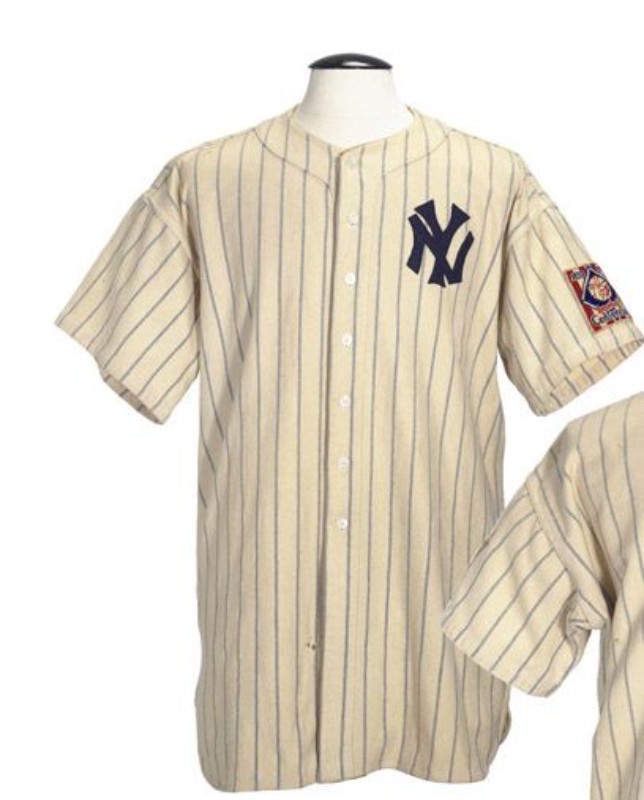
The 1963 Los Angeles Dodgers weren’t just a team—they were a phenomenon. Their pitching was a force of nature, their defense a wall of steel, and their offense a well-oiled machine. They didn’t just win games—they *dominated* them. Their World Series victory over the New York Yankees was the cherry on top of a season that redefined what it meant to be a dominant baseball team.
Decades later, the 1963 Dodgers remain a benchmark for pitching excellence. Their rotation was a trinity of terror, their bullpen a fortress of late-game sorcery, and their defense a wall of leather and lightning. They were a team that played with fire and ice, a squad that controlled games from the first pitch to the last. Their legacy isn’t just in the numbers—it’s in the way they played the game, with a relentless pursuit of perfection that left an indelible mark on baseball history.
To this day, the 1963 Dodgers serve as a reminder of what happens when talent, strategy, and mentality collide. They were more than a team—they were a masterclass in how to rule Major League Baseball.