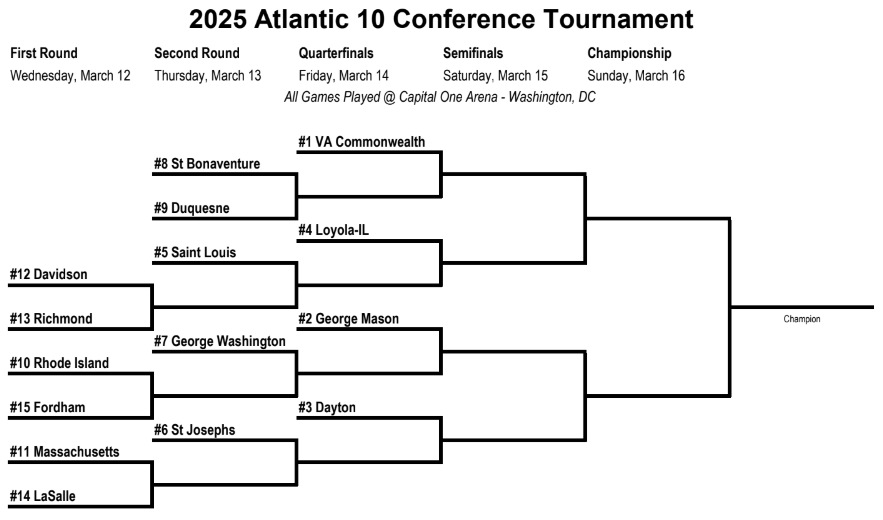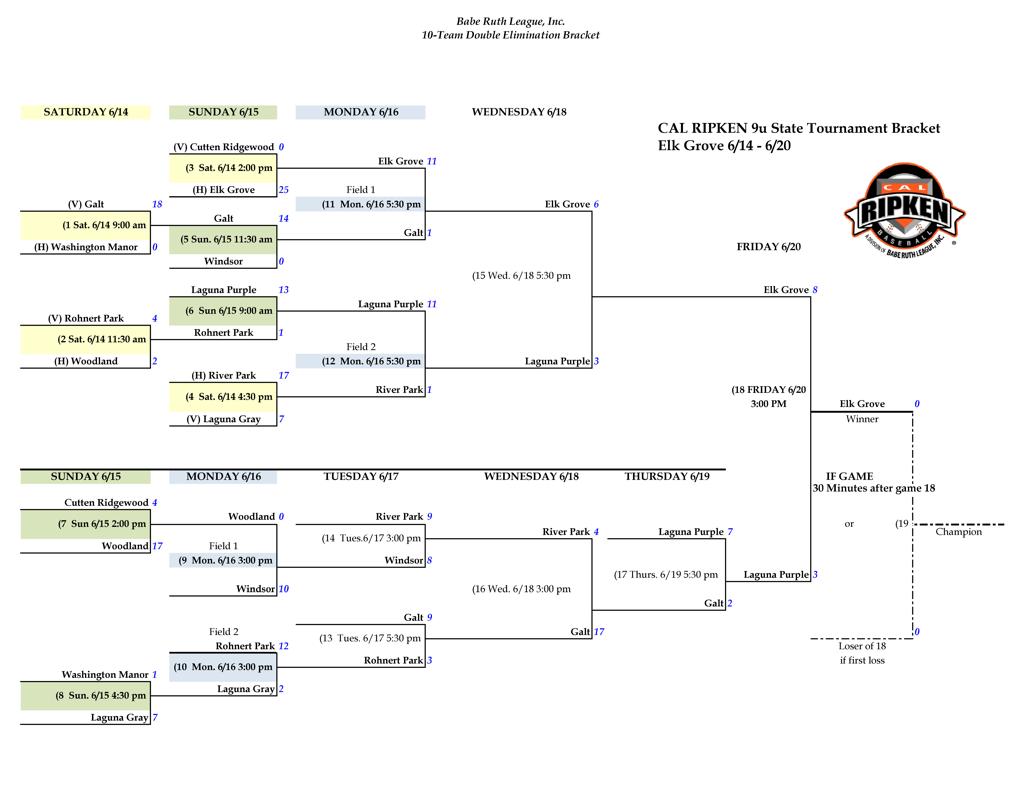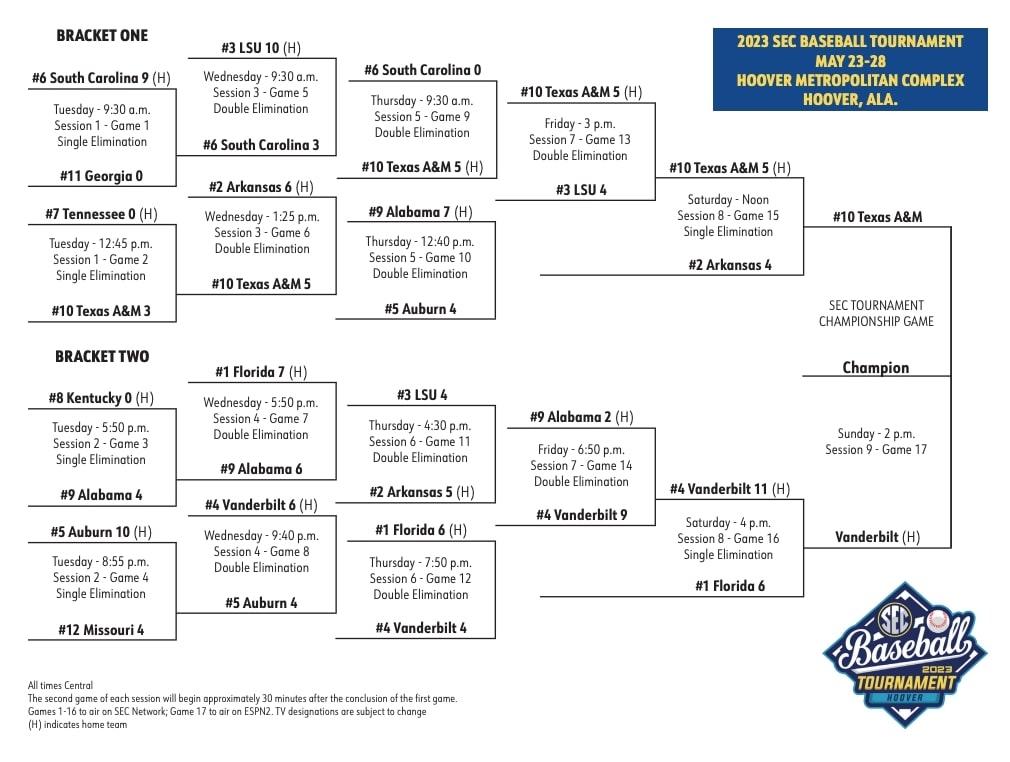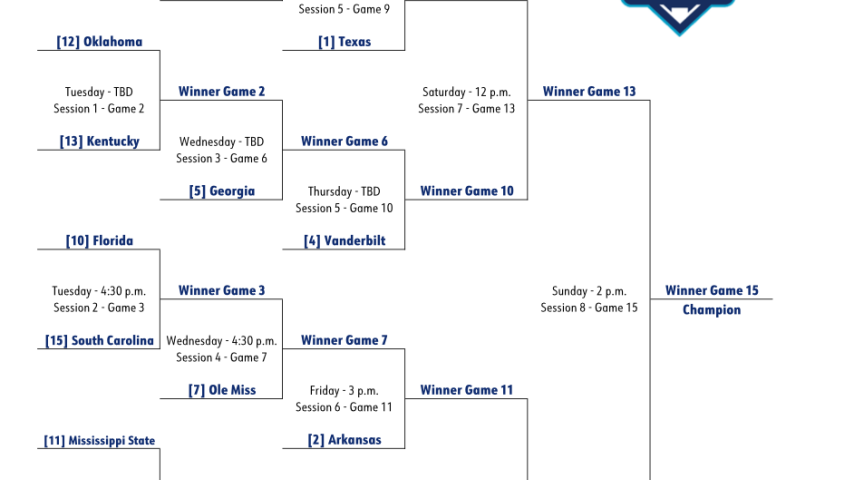
Imagine stepping into a coliseum where the roar of the crowd isn’t for gladiators, but for the crack of a bat, the spin of a curveball, and the drama of a walk-off homer. This isn’t ancient Rome—it’s the modern 64-team NCAA baseball tournament, a labyrinth of talent, strategy, and sheer unpredictability. But here’s the twist: with 64 teams vying for glory, how do you even begin to navigate the chaos? The answer lies in the meticulously crafted 64-team bracket with seeds—a blueprint that turns madness into method, chaos into strategy, and underdogs into legends.
The Anatomy of a 64-Team Bracket: More Than Just a Roadmap
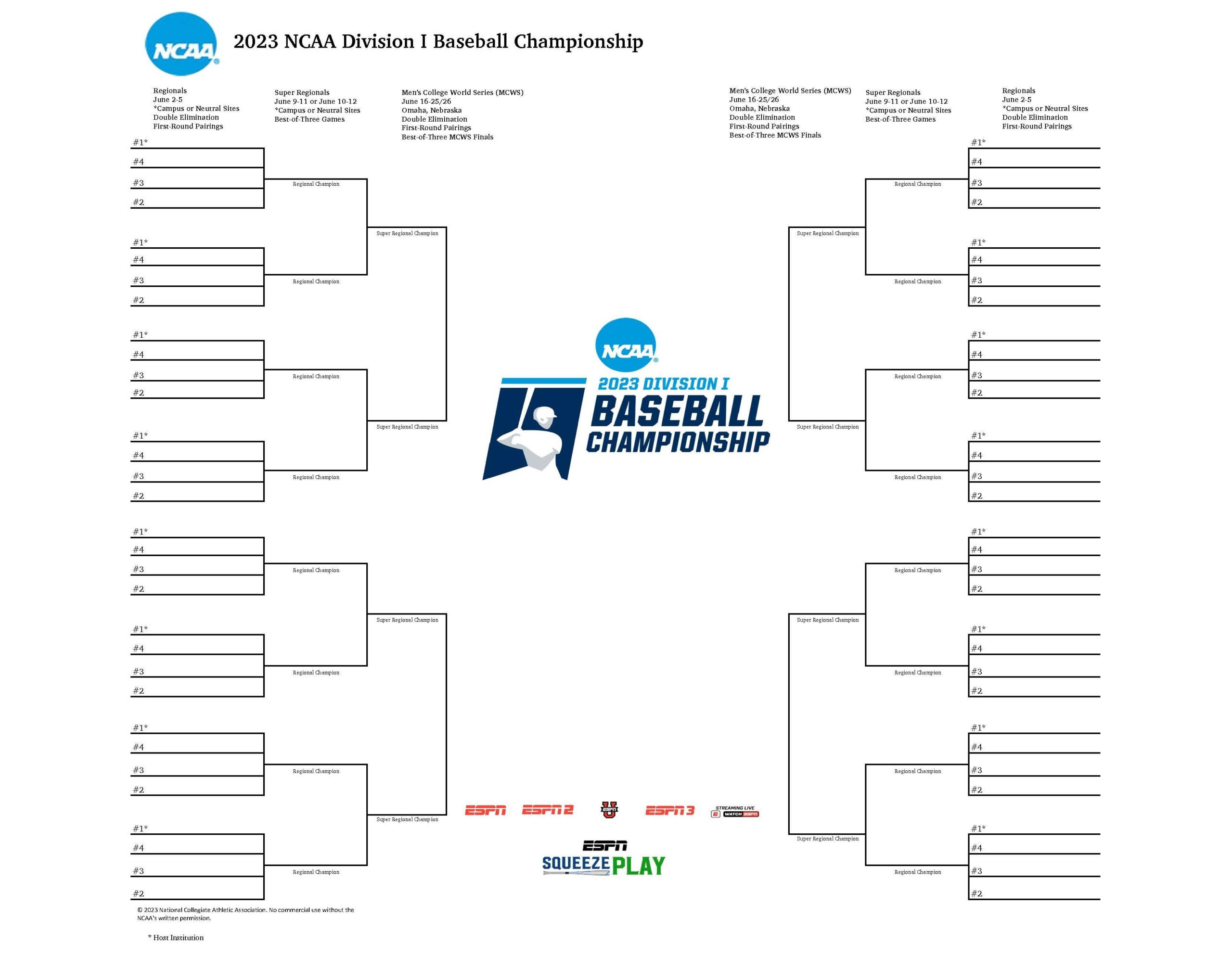
The 64-team bracket isn’t just a grid of names and numbers; it’s a living, breathing organism where every seed, every matchup, and every regional grouping tells a story. At its core, the bracket is a tournament’s DNA, encoding the path to the College World Series in a way that balances competition, geography, and narrative. The top seeds—often the powerhouse programs with the most talent and experience—are strategically placed to avoid early showdowns, ensuring that the best teams don’t knock each other out before the field has truly been tested. But here’s the playful challenge: what if the underdog, the team that scraped into the tournament on a last-minute hot streak, could rewrite the script? The bracket’s structure invites chaos, and chaos, as any baseball fan knows, is where magic happens.
Consider the regional groupings. These aren’t random assignments; they’re carefully curated battles where climate, travel logistics, and even local fan fervor play a role. A team from the Pacific Northwest might face a squad from the Southeast, not just for the sake of competition, but to test their mettle against diverse pitching styles and weather conditions. The bracket, then, becomes a crucible—a place where resilience is forged, and where a team’s ability to adapt might matter more than their raw talent.
Seeding: The Art of the Strategic Illusion
Seeding is where the illusion of control meets the unpredictability of baseball. The selection committee pours over statistics, RPI (Rating Percentage Index), strength of schedule, and recent form to assign seeds, but baseball has a way of laughing at the best-laid plans. A top-seeded team might crumble under the pressure of a regional upset, while a No. 4 seed, written off by the pundits, could steamroll through the bracket on the strength of a dominant pitching staff and clutch hitting.
The real intrigue lies in the middle seeds—the teams ranked 10 through 25 that could go either way. These are the squads that might have one elite player carrying them, or a pitching rotation that’s just peaking at the right time. A mid-major conference champion, for example, could enter the tournament as a No. 12 seed, only to dismantle higher-ranked opponents with a mix of speed, defense, and a knack for manufacturing runs. The bracket’s seeding system ensures that these David vs. Goliath stories aren’t just possible—they’re inevitable.
But seeding isn’t just about rankings; it’s about narrative. The committee crafts a story with each placement, setting up potential Cinderella runs or blockbuster showdowns. A No. 3 seed might be positioned to face a dangerous regional rival in the second round, forcing them to dig deep early. Meanwhile, a No. 16 seed, the lowest-ranked team in the field, could be placed in a regional with a historically weak host site, creating a David vs. Goliath matchup that feels tailor-made for the underdog. The bracket, in this sense, is less a static document and more a dynamic script, one that the teams themselves will rewrite with every pitch.
The Regional Roulette: Where Geography Meets Grit
No discussion of the 64-team bracket would be complete without diving into the regional round—the tournament’s first true crucible. These aren’t neutral-site games; they’re battles fought on the home turf of one of the participating teams, where the crowd’s energy, the local weather, and even the dimensions of the stadium can tilt the scales. A team accustomed to playing in a hitter-friendly park might find itself struggling in a pitcher’s paradise, or vice versa. The regional round is where preparation meets adaptation, where a team’s ability to adjust on the fly becomes as important as their talent.
Then there’s the matter of travel. A team from the Northeast might fly across the country to face a West Coast squad, only to battle jet lag and unfamiliar conditions. The bracket’s regional assignments aren’t just about competition; they’re about testing a team’s mental and physical resilience. The best teams don’t just win games—they win the war of attrition, grinding through travel, hostile environments, and the sheer unpredictability of a best-of-three series.
And let’s not forget the wildcard factor: the host site’s facilities. A team playing in a state-of-the-art stadium with perfect turf might have an advantage, while another squad could be forced to adapt to a field with uneven bounces or unpredictable wind patterns. The regional round is where the bracket’s design meets the chaos of real-world baseball, and where the most adaptable teams rise to the top.
The Super Regional Gauntlet: Where Legends Are Forged
If the regional round is the tournament’s first fire, the Super Regionals are the forge where legends are hammered into shape. Here, the field narrows to just 16 teams, each playing a best-of-three series to advance to the College World Series. The stakes couldn’t be higher. A single loss could send a team home for the summer, while a series win could propel them into the national spotlight. The bracket’s design ensures that the best teams face the toughest challenges, but it’s the teams that can elevate their game under pressure that emerge victorious.
The Super Regionals are where the bracket’s seeding truly matters. A top-seeded team might face a lower-ranked opponent, but in baseball, anything can happen. A dominant ace could falter, a hot-hitting lineup could go cold, or a defensive miscue could change the course of a series. The bracket’s structure ensures that the best teams don’t get a free pass, but it’s the teams that can rise to the occasion that write their names into tournament lore.
Consider the psychological warfare at play. A team leading a series 1-0 might feel the weight of history, knowing that a single loss could send them packing. Meanwhile, the trailing team could play with a chip on their shoulder, using the desperation of elimination to fuel their performance. The Super Regionals are where the bracket’s design meets the raw emotion of competition, and where the most resilient teams emerge as champions.
The Road to Omaha: Bracket Strategy and the Art of the Upset
The journey to the College World Series is a marathon, not a sprint, and the 64-team bracket is the course that tests every team’s endurance, strategy, and mental fortitude. But here’s the playful challenge: what if the bracket’s design is a trap? What if the committee’s best-laid plans are undone by a single hot streak, a clutch performance, or a moment of brilliance that defies all logic? The road to Omaha is littered with upsets, with teams that entered the tournament as afterthoughts leaving as legends.
The key to navigating the bracket lies in understanding its rhythms. A team that can peak at the right time—whether it’s a dominant starting pitcher, a lineup that heats up in June, or a bullpen that shuts down opponents in high-leverage situations—can exploit the bracket’s structure to their advantage. The best teams don’t just win games; they control the narrative, setting up matchups that play to their strengths while exposing their opponents’ weaknesses.
But the bracket’s design also invites chaos. A team that’s outmatched on paper might find itself in a regional with a weak host site, allowing them to ride a wave of momentum into the Super Regionals. Meanwhile, a top-seeded team could face a regional with a dangerous underdog, forcing them to dig deep early. The road to Omaha is unpredictable, but it’s also where the most compelling stories are written.
The Unwritten Story: What the Bracket Doesn’t Tell You
The 64-team bracket with seeds is a masterpiece of organization, but it’s also a document that can’t capture the intangibles—the chemistry of a team, the leadership of a coach, or the sheer willpower of a group of players who refuse to accept defeat. The bracket might tell you which teams are favored, but it can’t predict the moment when a freshman steps up in the bottom of the ninth, or when a veteran pitcher delivers a performance for the ages. The bracket is a blueprint, but the tournament is a living, breathing entity where the unexpected is the only certainty.
And that’s the beauty of it. The 64-team bracket isn’t just a roadmap to the College World Series; it’s a canvas where the drama of college baseball is painted in vivid strokes. It’s where underdogs become heroes, where favorites stumble, and where the unpredictable becomes the inevitable. The bracket might set the stage, but it’s the teams that write the story—and in the end, that’s what makes the NCAA baseball tournament so captivating.