Imagine the crack of the bat echoing through a sun-drenched stadium, the tension palpable as the bases load in the bottom of the ninth. Now, picture that same heart-pounding drama, but compressed into a lightning-fast eight-team playoff bracket where every game could be the last. Welcome to the thrilling, high-stakes world of an 8-team baseball tournament—a format that turns the traditional season into a whirlwind of elimination, strategy, and sheer unpredictability. But here’s the catch: running a flawless tournament isn’t just about filling out a bracket and hoping for the best. It demands meticulous planning, a dash of creativity, and an understanding of the unique challenges that come with compressing a season’s worth of drama into a handful of games. So, how do you orchestrate a tournament where the underdogs rise, the favorites stumble, and the memories last a lifetime?
The Art of the Bracket: Crafting a Tournament That Feels Like a Grand Slam
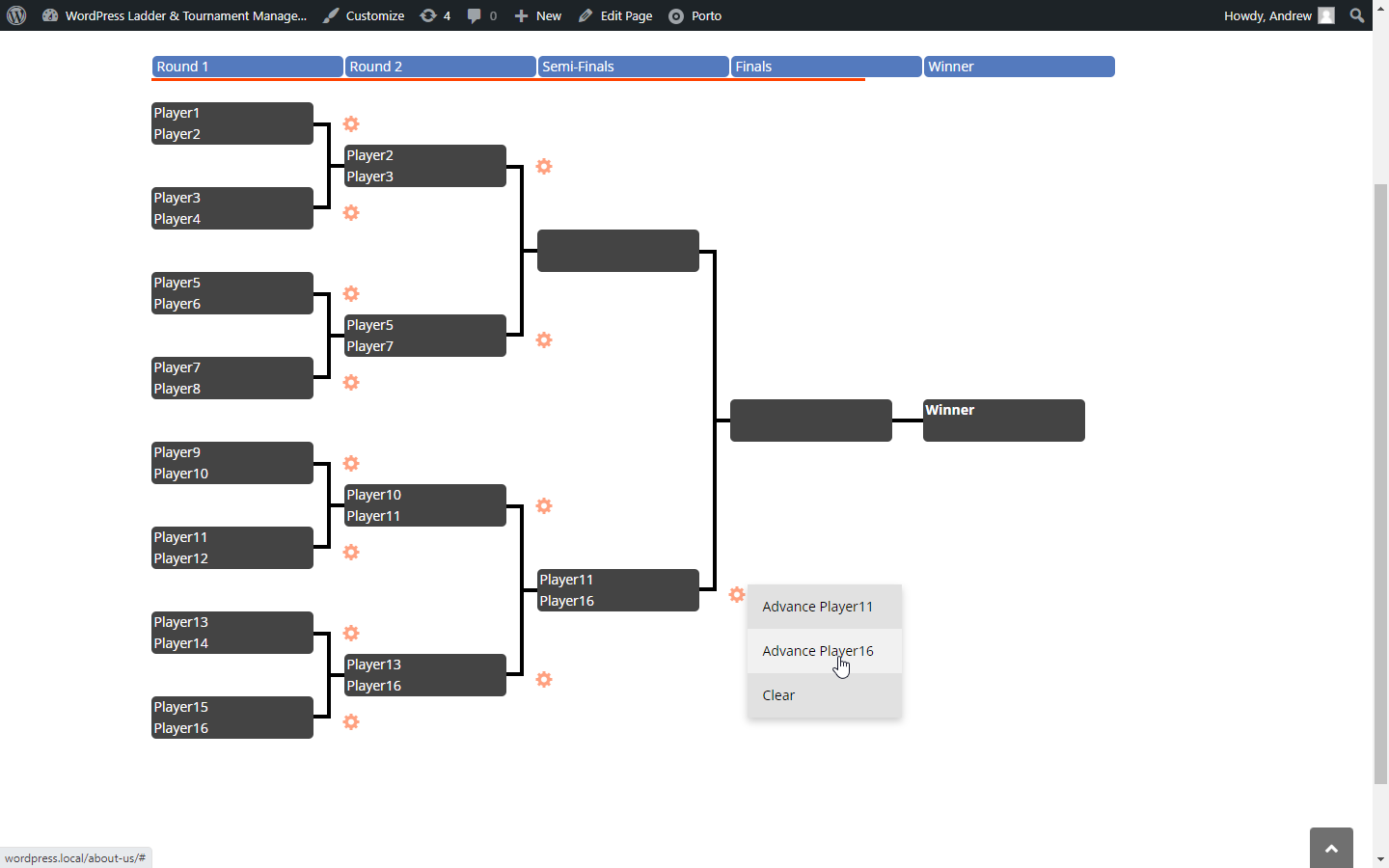
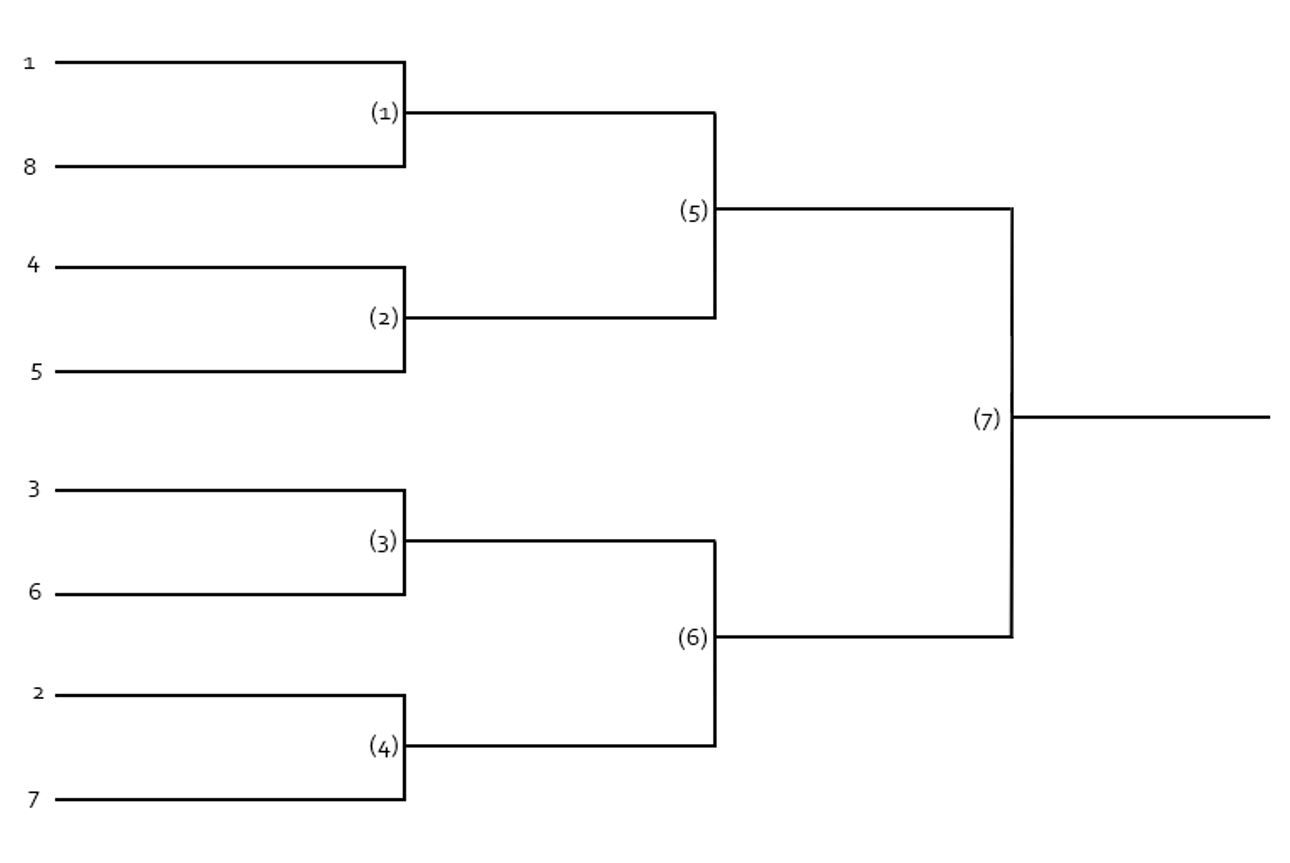
Designing an 8-team playoff bracket is akin to composing a symphony—each game must flow seamlessly into the next, building anticipation without overwhelming the participants or the audience. The most effective brackets balance competitiveness with fairness, ensuring that no team feels like they’re playing in a vacuum. Start by seeding teams based on regular-season performance, but don’t be afraid to shake things up with a few strategic upsets. A well-placed wildcard can inject excitement, turning a predictable tournament into a rollercoaster of upsets and Cinderella stories. Consider dividing the bracket into two halves, with the top four seeds receiving a first-round bye to reward their consistency. This not only rewards excellence but also gives lower-seeded teams a fighting chance to prove they belong. The key is to create a structure where every game matters, and no team is ever truly out of the race until the final pitch.
Scheduling Sorcery: Timing Is Everything (And So Is the Weather)
Planning the schedule for an 8-team tournament is where the rubber meets the road—and where the chaos begins. Unlike a full postseason, where teams have weeks to prepare between series, an eight-team playoff compresses the drama into a tight window. You’ll need to decide: will this be a single-elimination gauntlet, a best-of-three series, or a hybrid format where the top seeds get a slight advantage? Each option has its pitfalls. Single elimination is exhilarating but brutal; one bad day and your season is over. Best-of-three series add depth but risk dragging out the tournament into a marathon. And hybrids? They require a delicate balance to keep the pace brisk without sacrificing the integrity of the competition. Factor in travel logistics, venue availability, and even Mother Nature—rain delays and unexpected heatwaves can derail even the most meticulously crafted schedule. The solution? Build in buffer days, stagger start times, and have a backup plan (or three) ready to go. A tournament that runs like clockwork feels effortless to the fans, even if the behind-the-scenes juggling act is anything but.
The Home Field Advantage: Does It Really Matter in a Short Series?
In a full 162-game season, home field advantage is a subtle but tangible edge—familiarity with the park, supportive crowds, and the comfort of a routine. But in an eight-team playoff, where every game is a potential elimination, does it still hold weight? The answer is a resounding yes, but with a twist. In a short series, the psychological edge of playing at home can be magnified. A raucous crowd can rattle an opposing pitcher, while a quiet, empty stadium can sap the energy from a home team. The challenge lies in ensuring that the home field advantage doesn’t become a crutch—or worse, a point of contention. Some tournaments opt for a neutral-site format to level the playing field, but this can strip away the intimacy and tradition that make baseball special. Others embrace the chaos, letting the higher seed host the first game, the lower seed the second, and a neutral site (if necessary) for a decisive third. The trick is to make home field matter without letting it overshadow the skill on the field. After all, in a tournament where anything can happen, the team that adapts fastest to any environment is the one that survives.
Upsets and Underdogs: The Spice of Tournament Play
No tournament is complete without its share of David-vs-Goliath showdowns, and an eight-team playoff is the perfect petri dish for chaos. The beauty of a short bracket is that it amplifies the unpredictable. A team that limped into the postseason can suddenly find itself in the winner’s circle, while a 100-win juggernaut might see its season crumble in a single inning. The key to embracing this unpredictability is to design a format that rewards grit as much as it does talent. Consider implementing a “double-elimination light” format for the early rounds, where a single loss doesn’t immediately send a team packing. This gives underdogs a lifeline while still preserving the urgency of elimination play. Another tactic? Wildcard spots. By reserving a few slots for teams that didn’t quite secure a top seed but showed flashes of brilliance, you invite late-season drama into the tournament. The challenge, of course, is balancing the narrative of the underdog with the reality of the competition. After all, no one wants to watch a tournament where the outcome is predetermined—unless, of course, it’s your team pulling off the impossible.
Fan Engagement: Turning Bystanders into Zealots
A tournament is only as good as the fans who fill the stands—or in today’s digital age, the ones glued to their screens. The challenge of an eight-team playoff is keeping the excitement alive across multiple games in a compressed timeframe. Traditionalists might argue for a “winner stays on” format, where the last team standing hosts every game, creating a home-field fortress. But in a multi-team tournament, this can lead to fatigue for both players and spectators. Instead, consider a rotating schedule where each game feels like a standalone event, with its own storylines and stakes. Social media can be a powerful tool here, turning every pitch into a viral moment with behind-the-scenes content, player interviews, and fan polls. Interactive elements, like bracket challenges or live Q&As with managers, can deepen the connection between the tournament and its audience. The goal is to make every game feel like a must-watch event, even if it’s just a midweek affair. After all, the best tournaments aren’t just about the baseball—they’re about the memories forged in the stands.
The Dark Horse Factor: What If the Best Team Doesn’t Win?
Here’s the uncomfortable truth about tournament play: the best team doesn’t always win. In a compressed eight-team format, a hot streak, a clutch performance, or even a single bad call can derail a season. The challenge for tournament organizers is to mitigate the role of luck without stifling the magic of the game. One approach is to incorporate a “quality start” rule, where teams must meet a minimum performance threshold (e.g., a .500 record or a top-10 run differential) to qualify, ensuring that the field isn’t diluted with also-rans. Another is to use a points system that rewards consistency over a single-elimination knockout, giving teams multiple chances to prove their worth. But perhaps the most effective strategy is to lean into the unpredictability. After all, part of what makes tournaments so thrilling is the knowledge that anything can happen—and that’s the point. The goal isn’t to eliminate the dark horse; it’s to give every team a fair shot to prove they’re more than just a statistical anomaly.
Legacy and Longevity: Building a Tournament That Stands the Test of Time
An eight-team playoff bracket isn’t just a one-off spectacle; it’s an opportunity to create a tradition. The challenge is to design a format that feels fresh year after year while still honoring the history of the game. Consider rotating host cities to keep the tournament accessible to different fan bases, or introducing a “legacy round” where alumni from past tournaments return for a celebrity-style exhibition. Another idea? A “tournament MVP” award that’s voted on by fans, giving the audience a stake in the outcome. The key is to balance innovation with nostalgia, ensuring that each edition of the tournament feels like a milestone rather than a carbon copy of the last. The best tournaments aren’t just about crowning a champion—they’re about creating moments that fans will talk about for decades. And in a sport as rich with history as baseball, that’s no small feat.