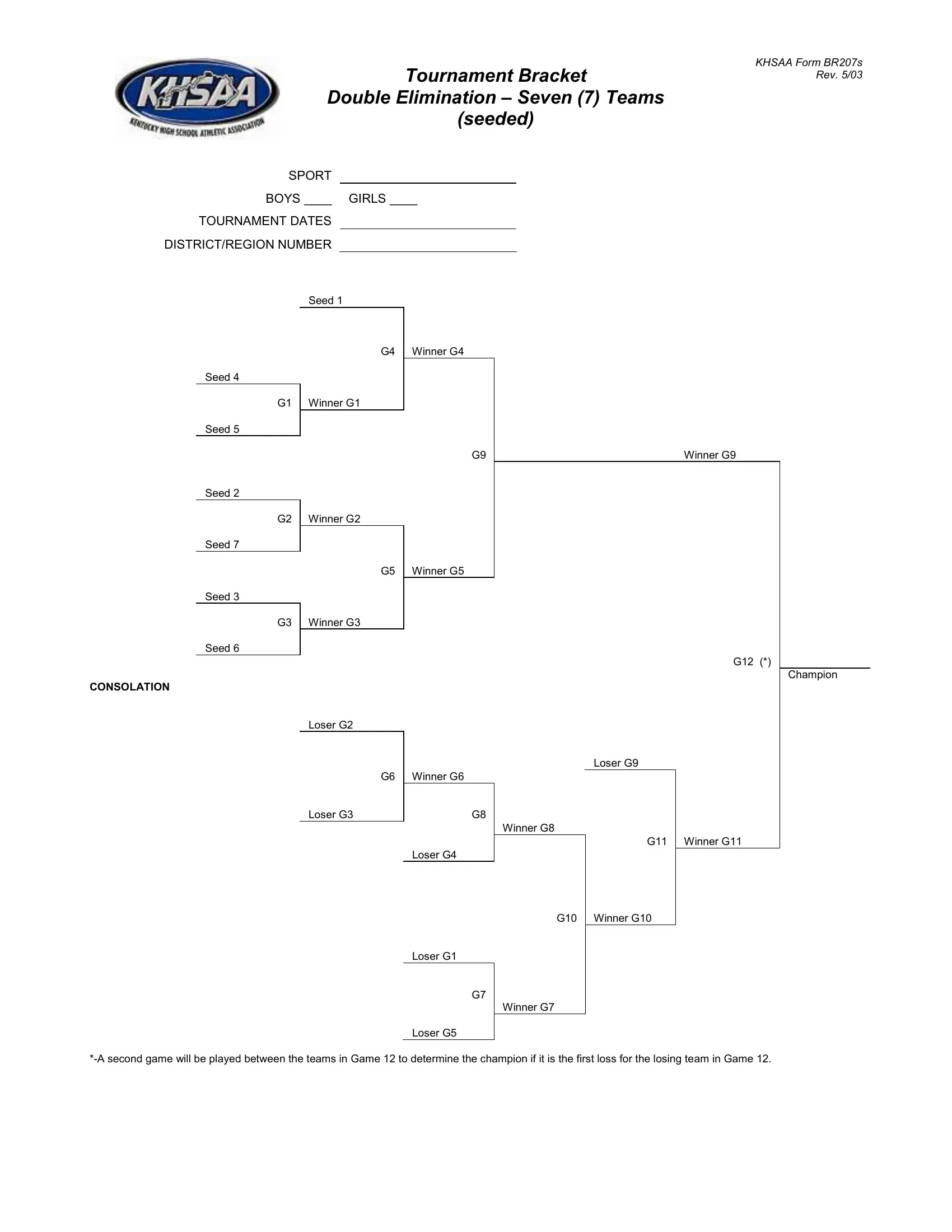
In the high-stakes world of tournament brackets, where brackets are more than just paper—they’re the blueprint of destiny—few formats spark as much debate as the double-elimination system. Specifically, when it comes to a 6-team seeded double-elimination bracket, the question isn’t just about who wins, but how fairness and advantage collide in a dance of strategy and luck. Does this format level the playing field, or does it hand top seeds a golden parachute into the finals? Let’s unravel the layers of this intricate puzzle, where every matchup tells a story and every upset feels like a revolution.
The Double-Elimination Paradox: A Format of Redemption and Ruin
Double elimination isn’t just a bracket—it’s a crucible. Unlike single elimination, where one loss sends a team home, this format offers a second chance, a lifeline woven into the very structure. For a 6-team seeded bracket, this means the top seeds start in the winners’ bracket, while the underdogs claw their way from the losers’ bracket, hungry for a rematch. The brilliance of double elimination lies in its ability to reward consistency while leaving room for dramatic comebacks. Yet, this very structure introduces a paradox: the more forgiving the format, the more it can amplify the advantages of top seeds.
Consider the psychological edge. Top seeds enter the tournament with momentum, their reputations preceding them. A loss in the winners’ bracket doesn’t spell doom—it merely shifts their path to the losers’ bracket, where they can regroup and strike back. Meanwhile, lower seeds must win twice just to face the top seed in the finals, a Herculean task that demands not just skill, but luck. The format, in its attempt to be fair, may inadvertently create a hierarchy where the top seeds are perpetually one step ahead.
Seeding: The Invisible Hand That Shapes Destiny
Seeding in a double-elimination bracket isn’t just about ranking teams—it’s about controlling the narrative of the tournament. A well-seeded bracket ensures that the strongest teams don’t face each other prematurely, preserving the illusion of a fair competition. But in a 6-team format, the stakes are magnified. With only six slots, a single upset in the early rounds can send shockwaves through the entire structure.
Imagine a scenario where the second-seeded team stumbles in the winners’ bracket. They drop into the losers’ bracket, forced to battle their way back while the top seed sails through unscathed. The losers’ bracket becomes a gauntlet, where every match is a do-or-die moment. For the top seed, this is a luxury—a chance to conserve energy while others expend theirs. The format, in its quest for fairness, may inadvertently favor those who start at the top, turning seeding into a self-fulfilling prophecy.
Yet, seeding isn’t just about power—it’s about strategy. A savvy tournament organizer can manipulate the bracket to create the most compelling storylines. By placing a strong underdog in the losers’ bracket early, they can engineer a David-vs-Goliath narrative that captivates audiences. But this also risks tilting the scales, turning the bracket into a stage where the top seeds are the stars and the underdogs are mere supporting actors.
The Losers’ Bracket: A Crucible of Grit and Grit
The losers’ bracket in a double-elimination tournament is where legends are forged and reputations are shattered. For a 6-team bracket, this path is particularly treacherous. Teams that lose in the winners’ bracket must win two matches in a row just to reach the finals, a task that demands not just skill, but mental fortitude. The pressure is relentless, the stakes unforgiving. One misstep, and a team’s tournament is over.
This is where the format’s true challenge lies. The losers’ bracket isn’t just a consolation prize—it’s a proving ground. Teams that thrive here are often the ones that can adapt, innovate, and outlast their opponents. But for the top seeds, this path is rarely taken. They start in the winners’ bracket, where the pressure is lighter, the matches fewer. The format, in its attempt to be fair, may inadvertently create a two-tiered system where the top seeds enjoy a cushioned journey while the underdogs battle uphill.
Yet, this isn’t always a bad thing. The losers’ bracket can be a breeding ground for surprises. Underdogs who navigate this gauntlet emerge with a newfound confidence, their resilience on full display. The format, in its complexity, ensures that no team’s journey is ever truly over until the final whistle. But it also raises a question: Is the double-elimination bracket truly fair, or does it merely create the illusion of fairness while subtly favoring the top seeds?
The Finals: A Clash of Titans or a Monopoly for the Elite?
The finals of a 6-team double-elimination bracket are where the rubber meets the road. The winner of the winners’ bracket faces off against the winner of the losers’ bracket in a high-stakes showdown. But here’s the twist: if the top seed loses in the winners’ bracket finals, they get a second chance in the overall finals. This rule, designed to reward consistency, can also create a scenario where the top seed effectively gets two bites at the apple.
Consider the implications. A top seed that stumbles in the winners’ bracket finals can drop into the losers’ bracket finals, where they face a team that has already won two matches in a row. The top seed, with their reputation and experience, is now in a position to reclaim their throne. Meanwhile, the team that fought their way through the losers’ bracket must win one more match to claim the championship. The format, in its attempt to be fair, may inadvertently create a scenario where the top seed has an unfair advantage in the finals.
This isn’t to say that the double-elimination bracket is inherently flawed. Far from it. The format’s ability to reward consistency and resilience is unparalleled. But it does raise a provocative question: Does the double-elimination bracket, in its quest for fairness, inadvertently create a system where the top seeds are perpetually favored? Or is the challenge of navigating the losers’ bracket enough to level the playing field?
The Human Element: Psychology and Momentum in Double Elimination
Beyond the structure of the bracket lies the human element—the psychology of competition. In a double-elimination tournament, momentum is everything. A team that loses in the winners’ bracket may carry the weight of defeat, while a team that thrives in the losers’ bracket may ride a wave of confidence. The format, in its complexity, amplifies these psychological factors, turning every match into a battle of minds as much as skills.
For top seeds, this can be a double-edged sword. A loss in the winners’ bracket can demoralize a team, eroding their confidence and leaving them vulnerable in the losers’ bracket. Meanwhile, an underdog that wins two matches in a row can become a juggernaut, their momentum carrying them to the finals. The format, in its attempt to be fair, may inadvertently create a scenario where the psychological battle is as important as the physical one.
This is where the true challenge of the double-elimination bracket lies. It’s not just about skill—it’s about adaptability, resilience, and the ability to thrive under pressure. The format rewards those who can weather the storm, who can lose and come back stronger. But it also punishes those who falter, who let a single loss define their tournament. The question isn’t just about fairness—it’s about whether the format itself is designed to create heroes or merely to perpetuate the status quo.
Conclusion: A Bracket That Challenges, Inspires, and Divides
The 6-team seeded double-elimination bracket is a marvel of tournament design—a format that balances fairness with challenge, consistency with unpredictability. It’s a system that rewards the best while leaving room for the unexpected, a crucible where legends are made and reputations are tested. But it’s also a format that raises difficult questions. Does it truly level the playing field, or does it subtly favor the top seeds? Is it a fair reflection of skill, or a stage where the elite are given every advantage?
Perhaps the answer lies not in the structure itself, but in how we choose to interpret it. The double-elimination bracket isn’t just a tool—it’s a story, a narrative of triumph and defeat, of resilience and redemption. It’s a format that challenges us to think beyond the obvious, to question the rules, and to appreciate the complexity of competition. In the end, the 6-team seeded double-elimination bracket isn’t just about who wins—it’s about how we define fairness, advantage, and the very nature of competition itself.