There are few things in life as heart-wrenching as the slow realization that something irreplaceable has slipped through your fingers—especially when that something is a Mike Trout 1/1 trading card, the crown jewel of any baseball collector’s portfolio. The anticipation of holding such a card, its pristine edges and holographic sheen catching the light just right, is a feeling reserved for the rarest of moments. Yet, for one unlucky collector, that moment never arrived. Instead, it vanished into the labyrinthine void of the United States Postal Service, swallowed by a system that promised delivery but delivered only despair. This is the story of how a $50,000 piece of cardboard became a ghost in the mail, and what it reveals about the fragility of trust in an age where even the most sacred transactions are at the mercy of bureaucracy.
The Allure of the Mike Trout 1/1: Why This Card Was Worth the Gamble
Mike Trout, the generational talent of the Los Angeles Angels, has long been a beacon for collectors. His 1/1 cards—limited to a single printing—are the unicorns of the trading card world, coveted for their exclusivity and the sheer dominance Trout wielded on the diamond. A 1/1 isn’t just a collectible; it’s a relic, a tangible piece of baseball history that transcends its cardboard medium. For the right buyer, it’s an investment, a status symbol, and a source of endless bragging rights. The card in question, a 2011 Topps Chrome Superfractor autographed by Trout himself, was no exception. Its value wasn’t merely monetary—it was emotional, a bridge between the collector’s passion and the fleeting glory of a young superstar’s prime.
Yet, the allure of such a card comes with a paradox: the more desirable it is, the more perilous its journey. High-value items attract not just admiration but also malfeasance. The collector who entrusted this card to the USPS wasn’t naive; they were acutely aware of the risks. They had tracked packages before, navigated the treacherous waters of shipping insurance, and even opted for signature confirmation. But the USPS, with its sprawling network and inconsistent tracking, is a beast of its own. It doesn’t just deliver packages—it consumes them, sometimes irretrievably.
The Illusion of Security: Tracking, Insurance, and the False Promise of Protection
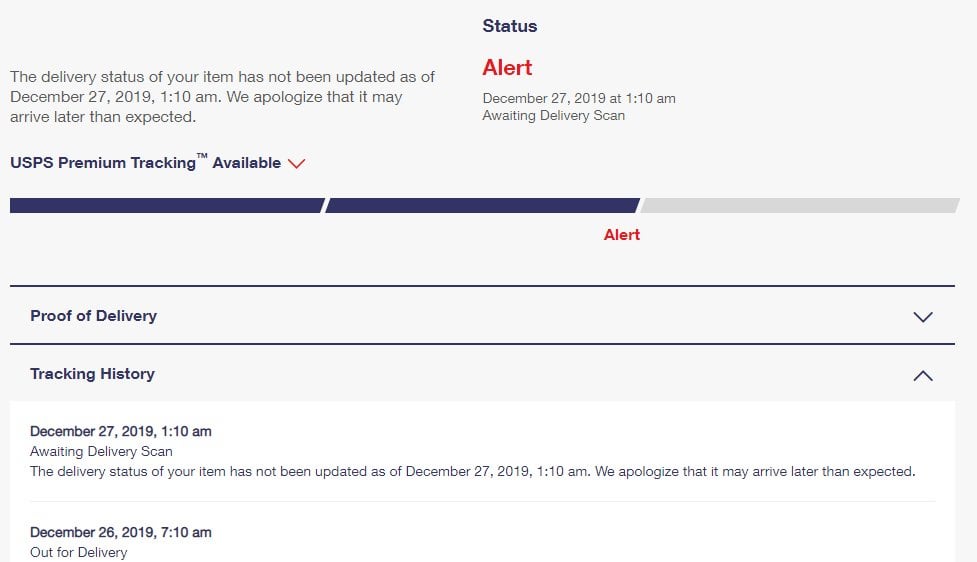
Shipping a $50,000 card isn’t like sending a birthday gift to your aunt. It requires meticulous planning, layers of protection, and a blind faith in systems designed to fail. The collector in question did everything by the book: they used a tracked service, purchased insurance, and even requested a signature upon delivery. Yet, the USPS’s tracking system is a Rube Goldberg machine of half-truths. Labels are scanned at each hub, but the scans are often cursory, the data entry sloppy. A package might be marked “out for delivery” for days, only to vanish into the ether when it reaches the final mile.
Insurance, too, is a gamble. The USPS offers coverage, but filing a claim is a Kafkaesque ordeal. Forms must be filled out with surgical precision, evidence must be provided, and even then, the payout is rarely commensurate with the loss. The collector’s insurance claim was denied on the grounds that the package was “delivered” according to the tracking data—despite the recipient swearing they never received it. The USPS’s internal logic is inscrutable: if the system says it’s delivered, it must be so, even if reality suggests otherwise. This bureaucratic obstinacy turns victims into suspects, forcing them to prove a negative.
The Final Mile: Where Packages Go to Die
The final mile is the Bermuda Triangle of package delivery—a stretch of road where parcels enter but rarely emerge. For the Mike Trout card, this was where the nightmare began. The tracking showed the package arriving at the local post office, but then, silence. No scans, no updates, no resolution. The collector contacted the recipient, who insisted they’d never seen the package. The post office, when pressed, offered the same refrain: “It’s in the system as delivered.” There was no investigation, no attempt to reconcile the discrepancy. The USPS’s indifference is its defining feature; it doesn’t solve problems, it buries them under layers of indifference.
This isn’t an isolated incident. The USPS loses thousands of packages annually, and the final mile is where most disappear. Drivers, overworked and underpaid, often fail to scan packages properly. Weather, theft, and sheer incompetence play their part. The system is designed to move parcels, not safeguard them. When a high-value item vanishes, the USPS’s response is perfunctory at best, hostile at worst. Collectors, hobbyists, and even businesses have learned the hard way that the USPS’s tracking is a mirage—a series of digital breadcrumbs that lead to a dead end.
The Aftermath: A Collector’s Descent into the Void
The loss of the Mike Trout card wasn’t just a financial blow; it was a psychological unraveling. Collectors pour their souls into their hobbies, and a 1/1 card is more than an asset—it’s a piece of their identity. The collector in question spent months scouring eBay, Facebook groups, and trading forums, only to be met with silence. The card had vanished, and with it, a piece of their passion. The USPS, meanwhile, offered no closure, no apology, just the cold comfort of a tracking history that ended in ambiguity.
For many collectors, this story is a cautionary tale. It underscores the need for alternative shipping methods—private couriers, FedEx, UPS, or even hand-delivery for the most valuable items. The USPS, despite its ubiquity, is not a reliable partner for high-stakes shipments. The collector’s mistake wasn’t in trusting the system; it was in assuming the system could be trusted. The USPS’s failures are systemic, a reflection of an organization stretched thin by cost-cutting and political neglect. It’s a reminder that in the world of collectibles, the only true security is self-reliance.
Lessons Learned: How to Ship Your Most Valuable Cards Safely
If there’s a silver lining to this story, it’s the hard-won wisdom it imparts. Collectors who ship high-value items must treat the process like a military operation. Double-boxing, tamper-evident seals, and GPS tracking are non-negotiable. Private couriers, despite their higher costs, offer a level of accountability the USPS simply can’t match. Insurance is essential, but so is a backup plan—perhaps a secondary tracking method or a direct handoff to the recipient.
It’s also worth considering the psychological toll of such a loss. Collectors are a passionate bunch, and the grief of losing a prized possession can be profound. Support networks, whether online forums or local clubs, can provide solace. The community’s response to stories like this is often one of shared outrage, a collective acknowledgment that the USPS’s failures are a shared burden.
Ultimately, the story of the lost Mike Trout card is a microcosm of modern life—a tale of trust eroded by bureaucracy, of passion colliding with indifference. It’s a reminder that even in an age of instant gratification, some things remain stubbornly out of reach. The card may be gone, but the lessons it leaves behind are invaluable.